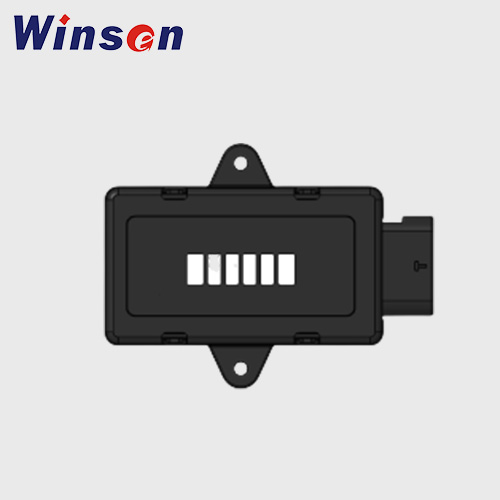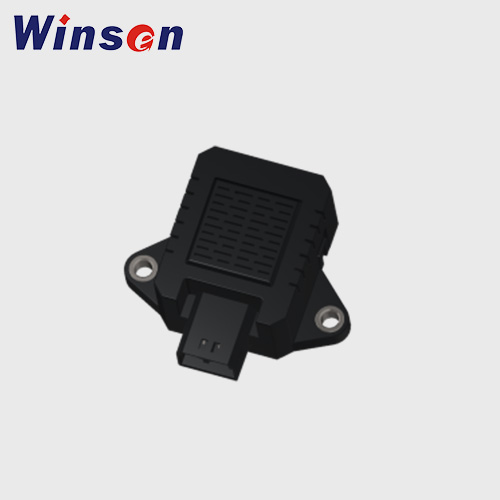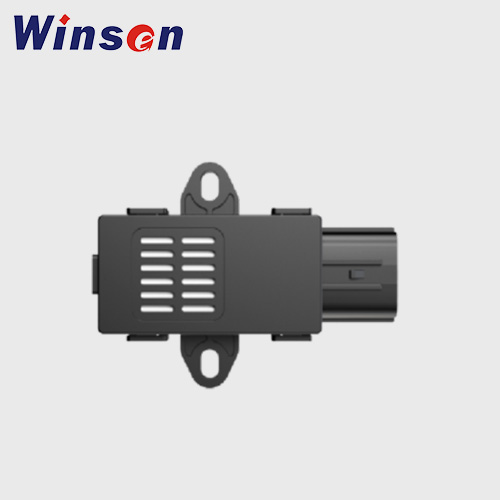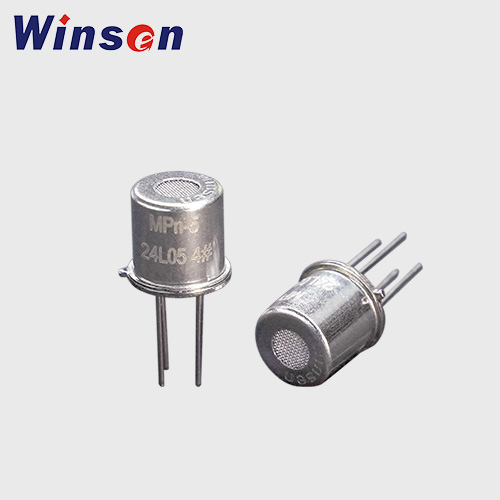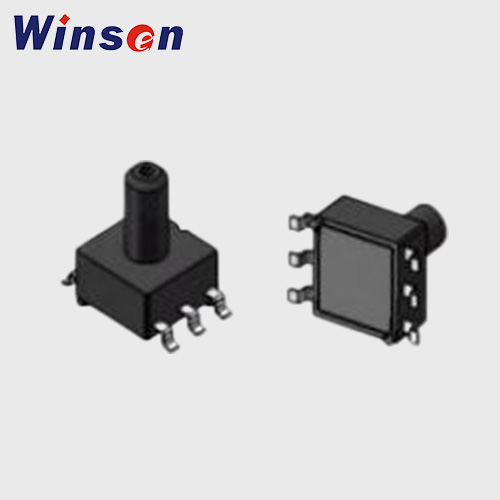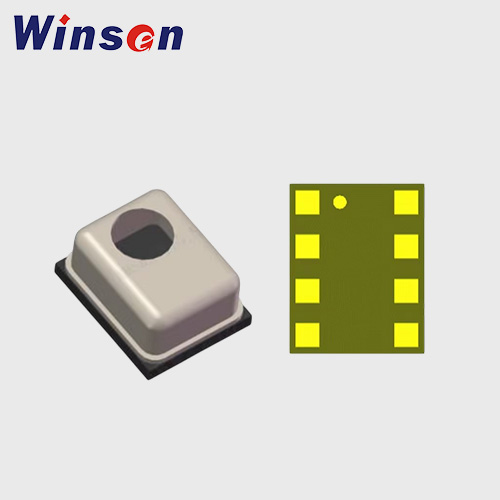
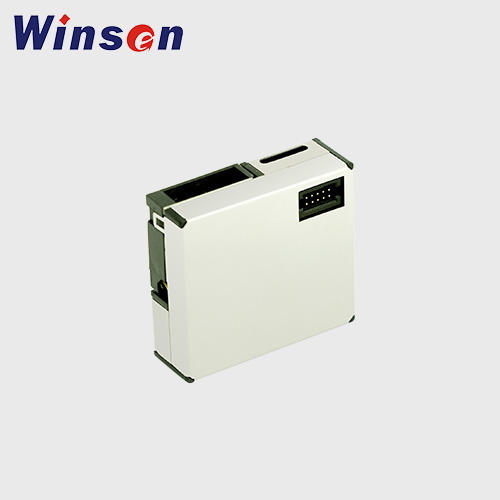
ZH10-F Laser Dust Sensor
Compact laser particle sensor for PM monitoring and automatic air purifier fan control.
- Target PM1.0, PM2.5, PM10
- Range 0–1000 μg/m³
- Output UART / PWM
- Size 38 × 35 × 12 mm
Build smarter air purifiers with Winsen PM2.5, VOC, formaldehyde and integrated air quality sensor modules. Support real-time air quality monitoring, automatic fan control and flexible OEM integration.
Provide particle and gas sensing data for intelligent purifier control.
Enable OEM-defined fan speed adjustment using air quality signals.
Select dedicated sensors or integrated multi-parameter modules.
Support sensor selection, interface matching and system development.
Different pollutants require different sensing technologies. For air purifier manufacturers, the right sensor combination depends on the target pollutants, purification functions, control strategy and desired user experience.
Laser particle sensors measure airborne particle concentration, including PM1.0, PM2.5 and PM10. These measurements can support automatic fan speed control and real-time air quality display.
Recommended: ZH10-F →VOC sensing helps detect changes in gaseous organic pollutants associated with certain household products, paints, solvents and other indoor sources. It complements particle measurements.
Recommended: ZM106-VOC →Dedicated electrochemical HCHO sensors provide formaldehyde concentration data for purification equipment that requires specific formaldehyde monitoring.
Recommended: ZE08K-CH2O →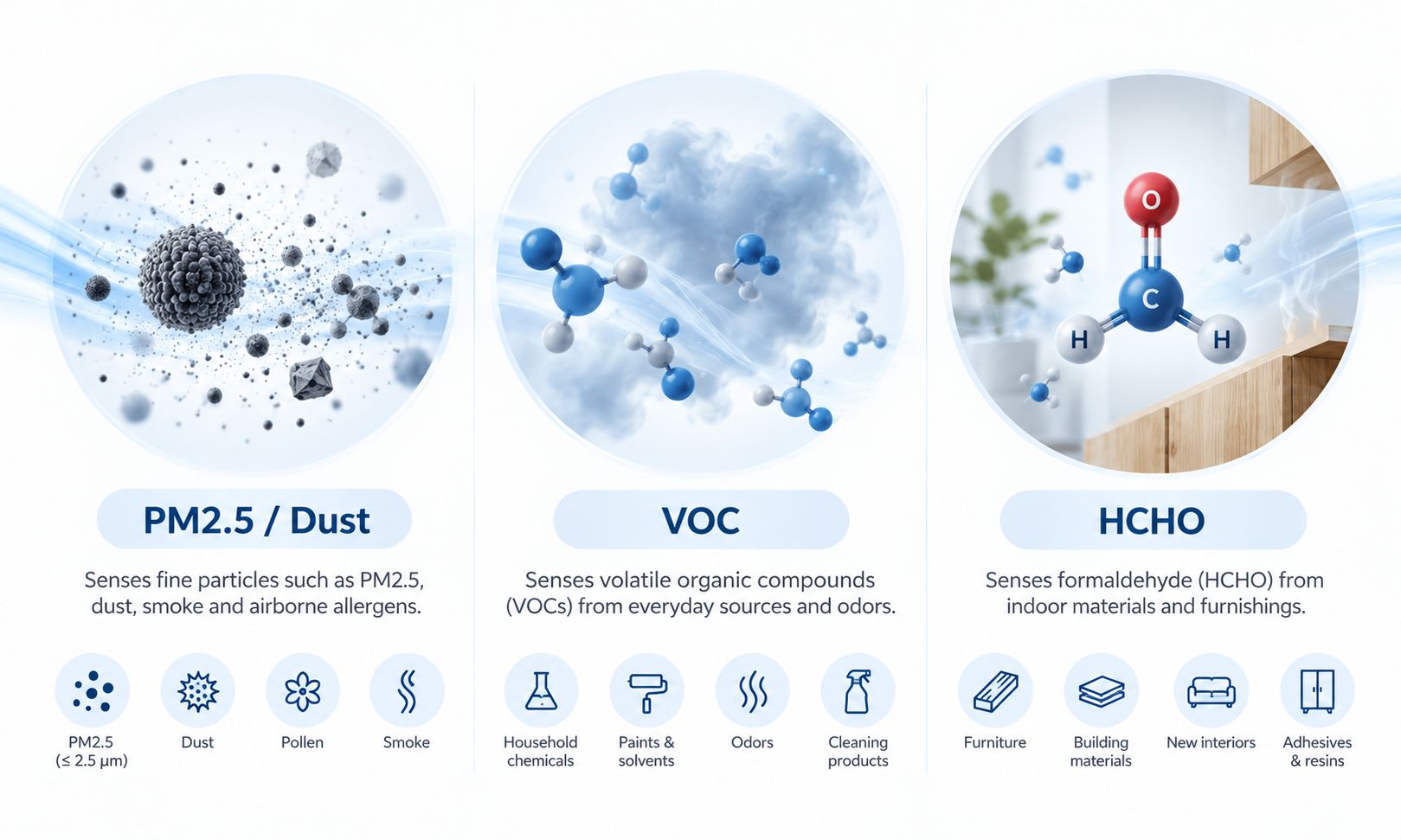
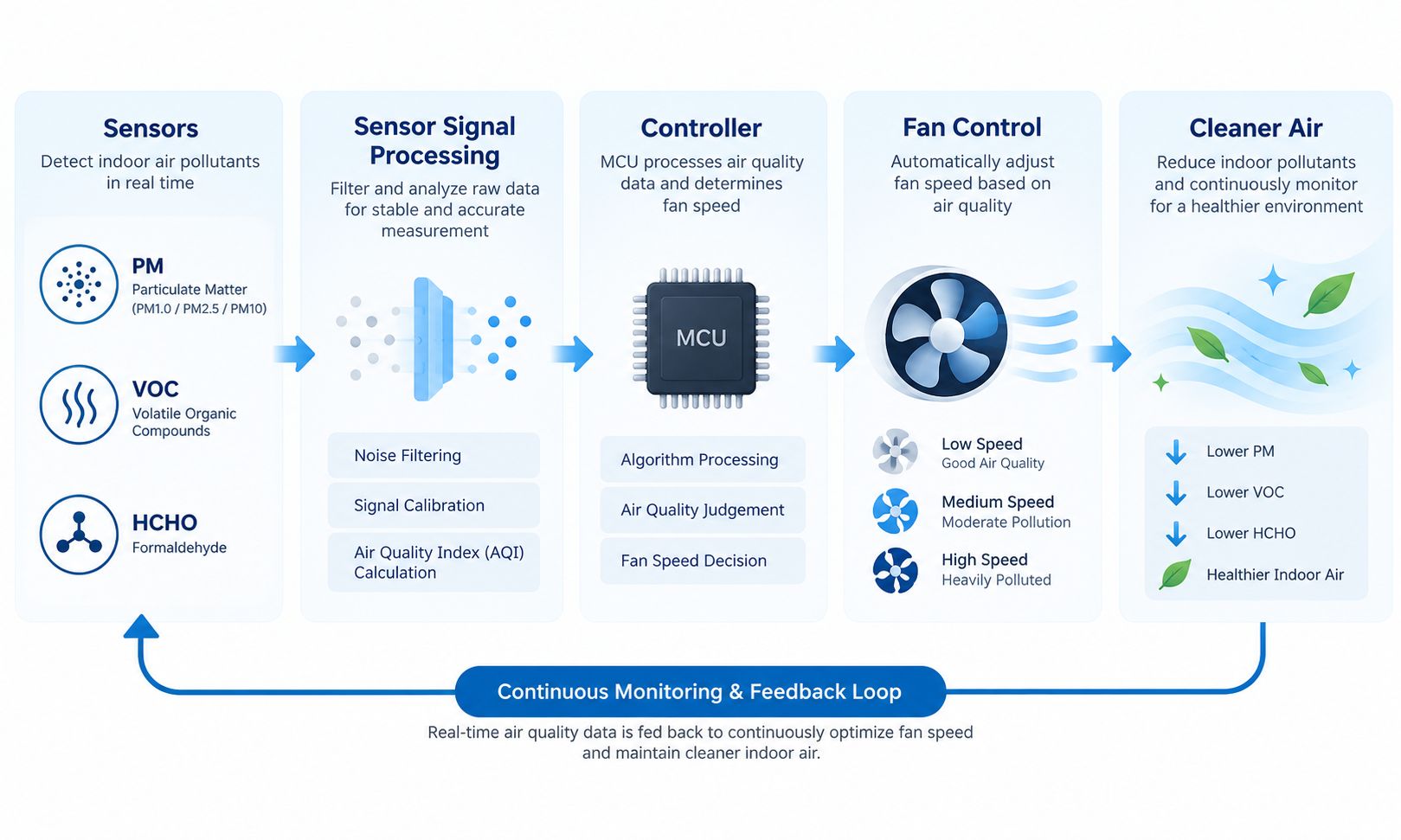
In a smart air purifier, sensors provide continuously updated environmental data. The purifier controller can use these signals to adjust fan operation, display air quality information or respond to changes in indoor pollution.
PM, VOC or HCHO sensors detect selected indoor pollution parameters.
Sensor outputs are processed and evaluated by the device controller.
The purifier adjusts its operating mode according to OEM-defined logic.
New measurements provide ongoing input for operation and air quality display.
Air purifier OEMs can build a sensing architecture from individual modules or use an integrated multi-parameter platform. Both approaches are suitable for different product designs.
Combine separate PM, VOC and HCHO modules according to the required parameters and mechanical design.
Typical combination:
ZH10-F + ZM106-VOC + ZE08K-CH2O
Integrate multiple environmental sensing functions within one module to simplify product-level integration.
Typical options:
ZH10-VHT / ZPHS01C
| Selection Factor | Dedicated Sensors | Multi-in-One Modules |
|---|---|---|
| Parameter Selection | Choose each sensing function independently | Use the parameters supported by the selected module |
| Mechanical Layout | More freedom to position individual sensors | Compact module-level arrangement |
| Wiring & Communication | Multiple module interfaces may be required | May simplify host-side communication |
| Future Changes | Individual modules can be evaluated separately | Depends on integrated product configuration |
| Project Cost | Depends on sensor count and integration effort | Depends on module price and required functions |
Explore dedicated particulate matter, VOC and formaldehyde sensors along with integrated air quality modules. Select products according to target pollutants, dimensions, interface and purifier control requirements.
Compact laser particle sensor for PM monitoring and automatic air purifier fan control.
Integrated PM2.5, VOC, temperature and humidity sensing for compact smart air purifier designs.
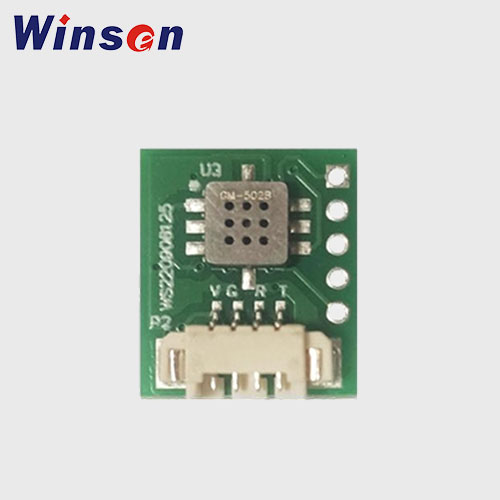
Compact MEMS semiconductor VOC module for indoor gaseous pollution trends and smart purification control.
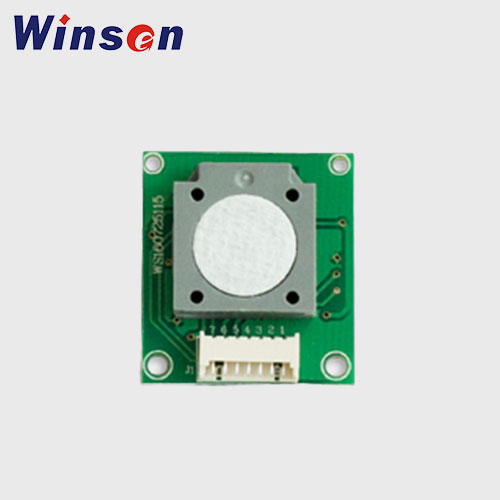
Dedicated electrochemical HCHO detection module for air purifiers requiring formaldehyde concentration measurement.
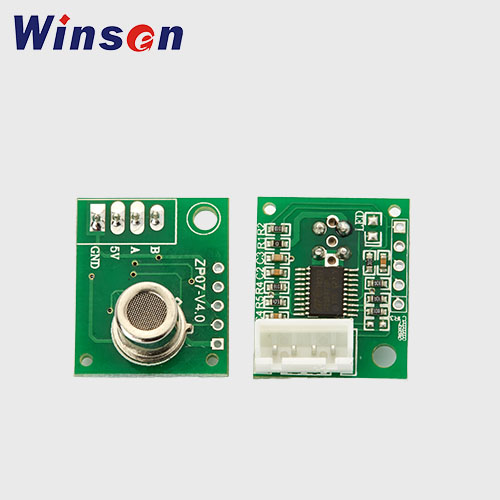
Semiconductor air quality module providing a graded pollution signal for basic automatic purification and ventilation functions.
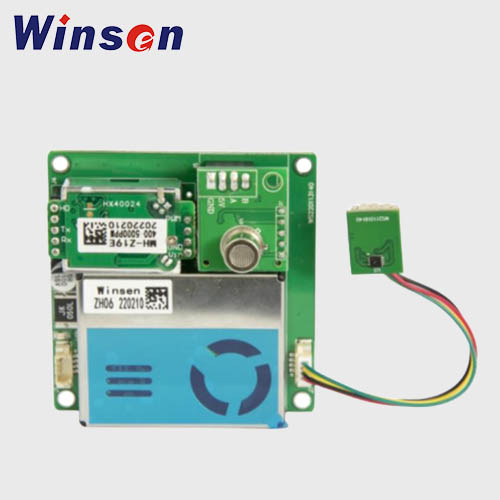
Integrated air quality sensing platform for feature-rich air purifiers and environmental monitoring equipment.
There is no universal sensor combination for every air purifier. The most practical approach is to begin with the product's detection targets and control functions.
| Purifier Design | Main Requirement | Suggested Winsen Sensors | Selection Consideration |
|---|---|---|---|
| Basic Smart Air Purifier | PM detection and automatic fan speed control | ZH10-F | Suitable when particle concentration is the primary control input. |
| PM + VOC Air Purifier | Particle monitoring and gaseous pollution trends | ZH10-VHT or ZH10-F + ZM106-VOC | Choose an integrated or distributed architecture. |
| Formaldehyde Monitoring Purifier | Dedicated HCHO concentration measurement | ZE08K-CH2O plus PM sensing if required | Use a dedicated HCHO module rather than relying only on broad VOC response. |
| Air Quality Level Control | Simplified gas-related pollution indication | ZP07 | Suitable when a graded pollution signal meets the control requirements. |
| Advanced Multi-Parameter Purifier | PM, CO₂, T&H and either VOC or HCHO monitoring | ZPHS01C | Confirm the HCHO or VOC configuration before selection. |
| Compact Smart Purifier | Several air quality parameters in limited equipment space | ZH10-VHT | Confirm module dimensions, airflow and host interface. |
Designing a smart air purifier requires more than choosing a sensor module. The sensing system should work reliably with the purifier's airflow, controller, power supply and user interface.
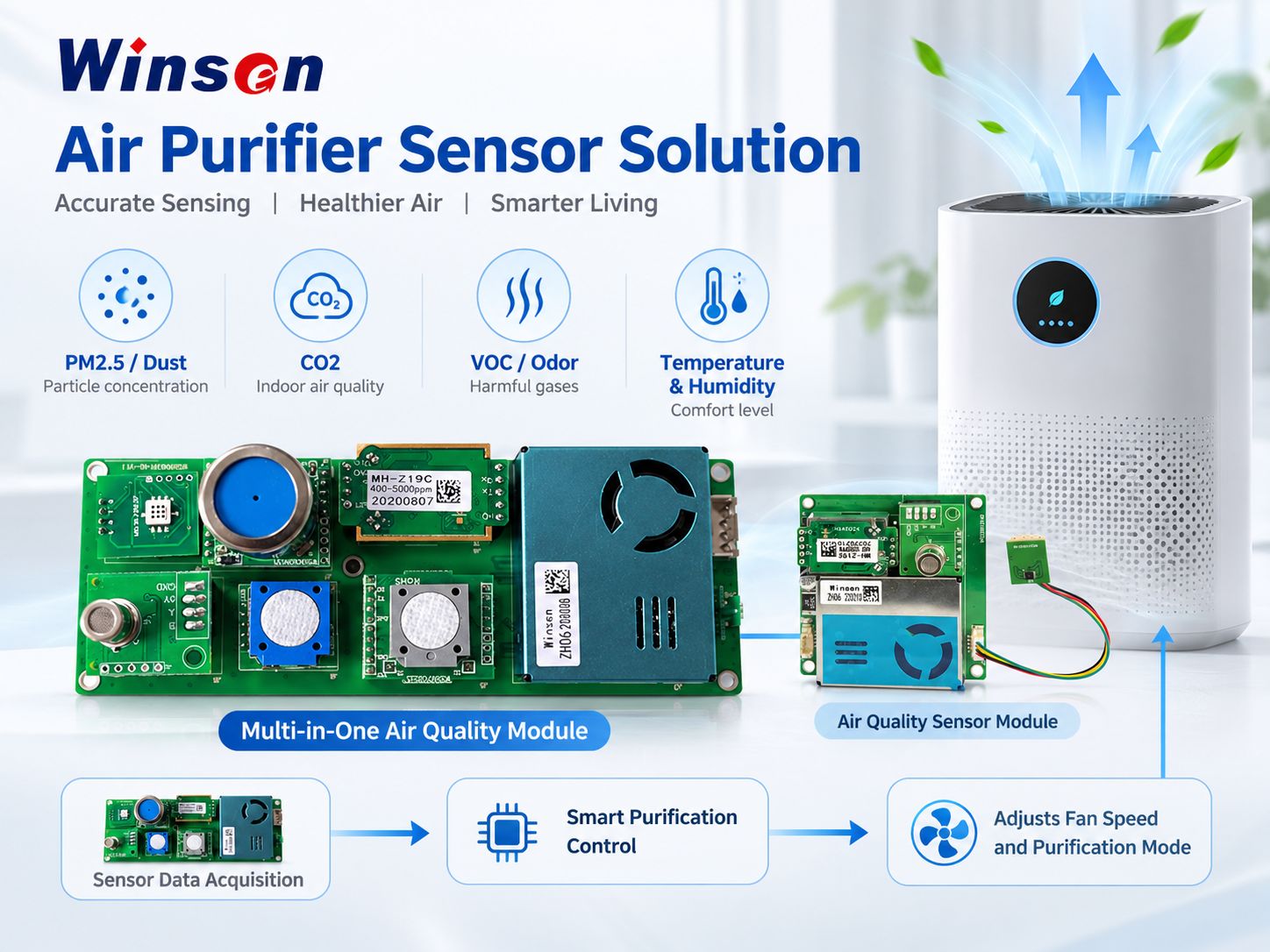
Sensor position should be selected according to representative sampling, fan airflow, enclosure geometry and possible contamination. Final placement requires equipment testing.
Environmental conditions can affect measurement response. Avoid condensation and verify module performance across the intended operating environment.
Allow for sensor warm-up, measurement stabilization and suitable filtering or decision logic when designing automatic control.
Confirm module voltage, current consumption, communication level and connector requirements before PCB integration.
Consider airborne dust accumulation, cleaning procedures, sensor lifespan and long-term operating conditions in the finished product.
Validate sensor response and purifier control across different fan speeds, operating modes and representative indoor pollutants.
Winsen sensor modules can support different air purifier product designs, from simple PM monitoring to integrated multi-parameter environmental sensing.
Particle sensing for household air quality display and automatic fan operation.
Sensor data can be used by connected devices for monitoring, display and automated operation.
Combine particulate matter, VOC, temperature and humidity monitoring within one product.
Dedicated HCHO sensing for products designed to display or respond to formaldehyde concentration.
Evaluate compact sensing options for small enclosures and limited installation space.
Integrate air quality monitoring into purification equipment for offices and other indoor environments.
Practical questions about air purifier sensor selection, PM2.5 monitoring, VOC detection, formaldehyde measurement and OEM integration.
The best sensor depends on the pollutants the purifier needs to monitor. PM2.5 sensors are commonly selected for particle-based automatic fan control. VOC and HCHO sensors can be added when gaseous pollution or formaldehyde monitoring is required.
A PM2.5 sensor measures fine airborne particles, while a VOC sensor responds to selected volatile organic compounds or changes in gaseous air quality. They measure different aspects of indoor pollution.
Yes. Air quality sensor signals can be processed by the purifier controller to support automatic fan speed changes. The thresholds, algorithms and operating modes are defined by the OEM.
Not when specific HCHO concentration measurement is required. Broad VOC sensors may respond to different organic compounds, while dedicated formaldehyde modules are intended for HCHO measurement.
Integrated modules can reduce the number of individual sensing components, simplify mechanical planning and reduce integration complexity. The best choice depends on the module's supported parameters, electrical requirements and application.
Sensor position should consider representative air sampling, airflow paths, dust accumulation, temperature and humidity. The final position should be determined through testing of the actual purifier enclosure and operating modes.
CO₂ measurement can support ventilation-related functions and indoor environmental monitoring. Conventional particulate filtration does not directly remove CO₂. CO₂ management generally requires suitable ventilation or other dedicated removal technology.
Winsen can support sensor selection, model-specific interface discussions, module integration and technical communication for OEM air purifier projects. Contact our team with your required parameters and system specifications.
Beyond air purification, Winsen provides sensors for indoor air quality monitors, fresh-air ventilation, HVAC systems and smart appliances. Explore our complete indoor air quality portfolio for additional sensing options.
Explore Indoor Air Quality Sensor Solutions →Explore CO₂, PM, VOC, formaldehyde, temperature and humidity sensors for different indoor applications.
Tell us which pollutants you need to monitor, your required dimensions, communication interface and target application. Winsen can help you evaluate suitable sensor options for your next air purifier design.