Mining Industry Overview & Process Flow

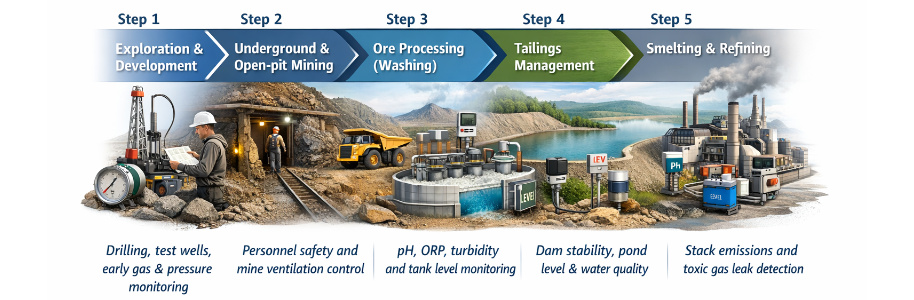
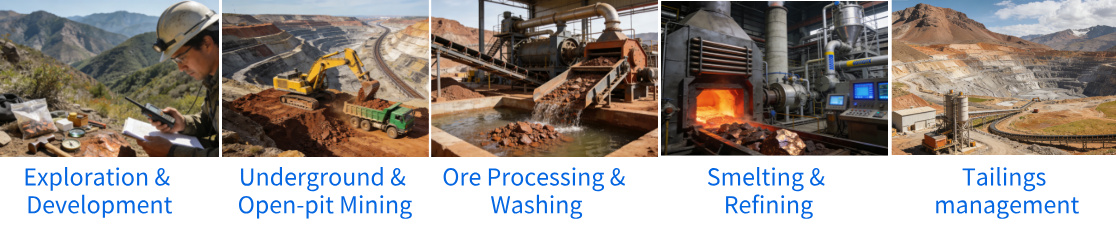
Mining covers the extraction of naturally occurring minerals in solid form (coal and ores), liquid form (crude oil) or gas form (natural gas). A typical mining project spans multiple stages: exploration, development, underground or open-pit mining, ore processing (washing and beneficiation), tailings management and final smelting & refining. Sensors are the digital “nerves” that monitor gas hazards, water quality, reservoir levels and pressure conditions across every stage.


1. Exploration & Development

During exploration drilling and mine development, sensors help engineers evaluate gas risk, stabilize drilling processes and prepare for safe production.

Key sensor applications

  • Gas sensors – monitoring combustible and toxic gases inside boreholes, such as methane (CH₄) and hydrogen sulfide (H₂S), to prevent explosions and poisoning.
  • Pressure sensors – tracking drilling fluid pressure to prevent kick and blowout accidents, and to protect pumps and pipelines.

Recommended models

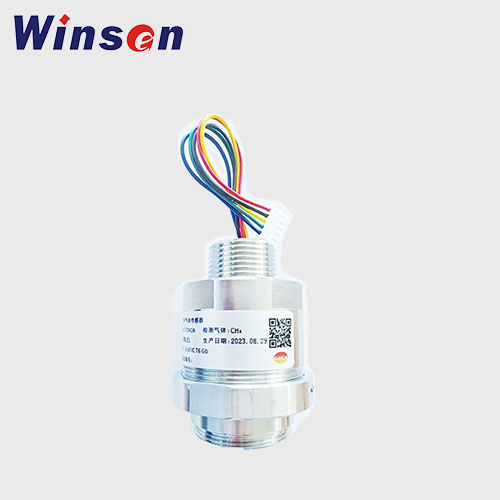
  • MH-T7042A – compact NDIR gas sensors for methane monitoring in drilling cabins and mud-logging units.
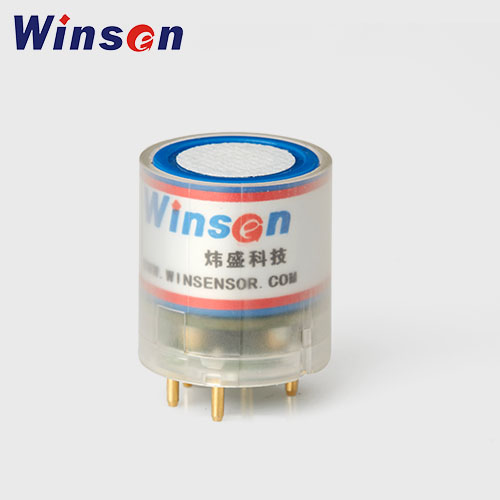
  • ZE03 multi-gas modules – electrochemical gas modules for SO₂, H₂S, O₂, CO, NO₂, NH₃ and other toxic gases.
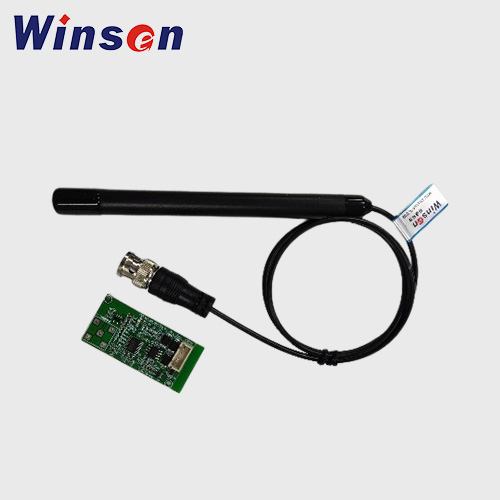
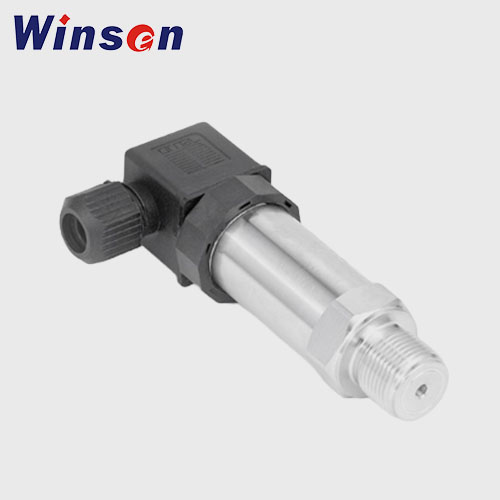
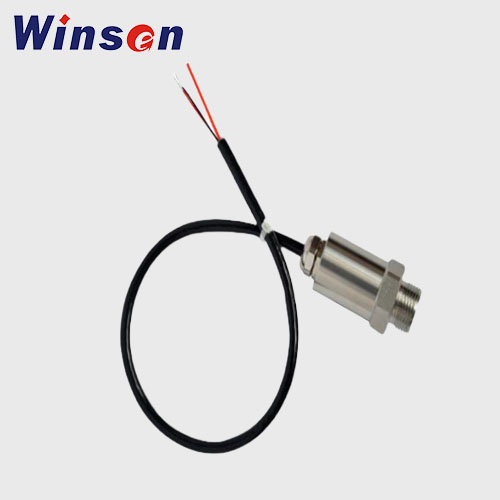
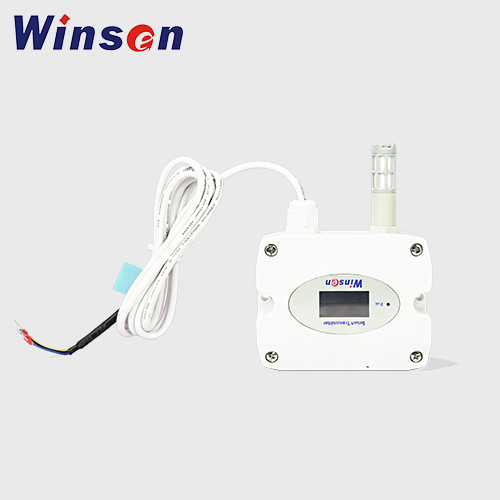
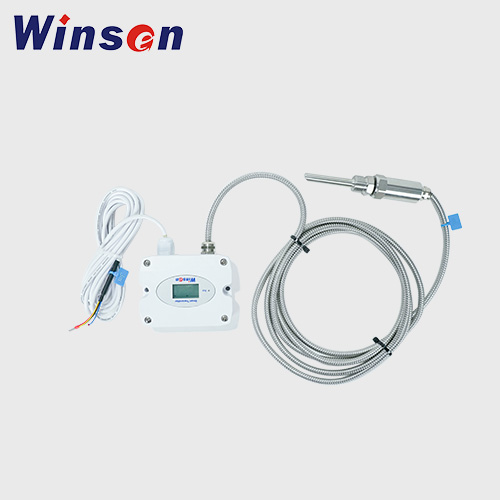
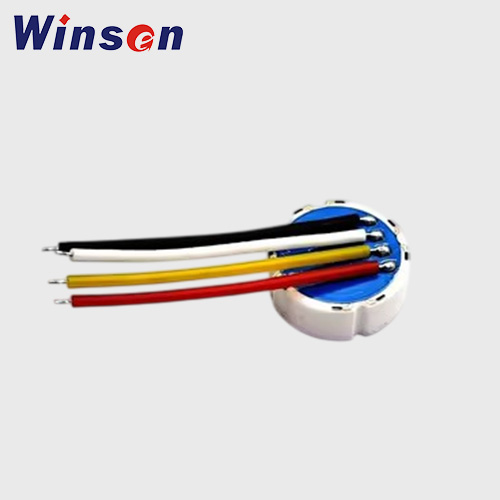
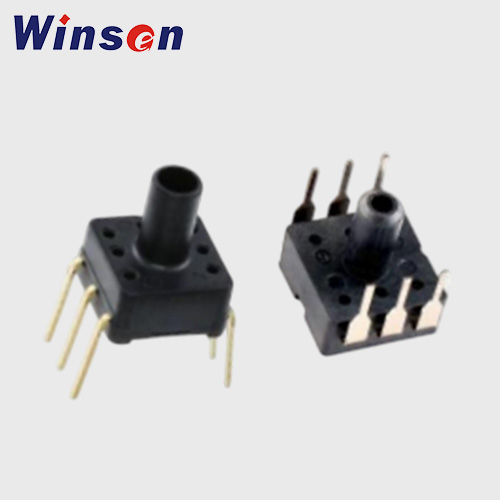
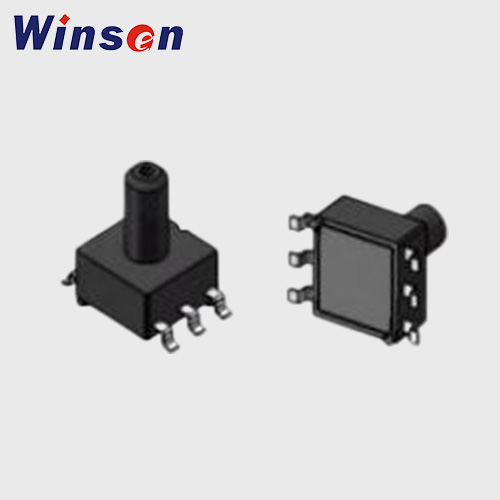
  • WPCK07 / WPCK81 / WPCK62– pressure transmitters for drilling fluid, pump discharge and manifold pressure monitoring.
2. Underground & Open-pit Mining

Gas explosions and oxygen deficiency are the most critical safety risks in underground coal mines, while open-pit mines also face local gas accumulation, water inrush and power-supply issues.

Key sensor applications

  • Gas sensors (core demand) – fixed installation in roadways, working faces, pumping stations, transformer rooms and conveyor tunnels to continuously monitor CH₄, CO, O₂, NO₂, H₂S and other gases. Portable detectors for personal protection.
  • Liquid Level sensors – monitoring underground sump levels and automatic control of drainage pumps to prevent flooding.
  • Early water quality monitoring – measuring pH and turbidity of mine inflow water to plan for later treatment.

Recommended models

  • MH-T7042A – CH₄ monitoring in mine tunnels and machinery rooms.
  • ZE03-SO₂ / H₂S / O₂ / CO / NO₂ / NH₃ – modular design for fixed or portable multi-gas detectors.
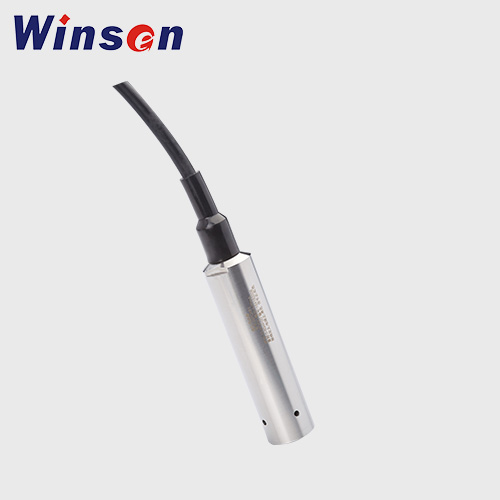
  • WPCK07 / WPCK62 – level and pressure monitoring for underground sumps and pumps.

3. Ore Processing & Washing

In flotation, leaching and thickening circuits, water chemistry and tank levels directly determine recovery rate, reagent consumption and tailings performance.

Key sensor applications

  • Water quality sensors (core demand)
    • pH sensors – essential for flotation, cyanidation and acid leaching control.
    • ORP sensors – critical for cyanide leaching and oxidation–reduction reactions.
    • Turbidity / suspended solids sensors – monitoring thickener overflow clarity and tailings water settling performance.
    • Conductivity sensors – tracking process water salinity and ion concentration.
  • Liquid Level sensors – monitoring level of thickeners, agitation tanks, reagent tanks and process water reservoirs for automatic dosing and discharge.
  • Gas sensors – detecting toxic gases in reagent preparation rooms and enclosed spaces.

Recommended models

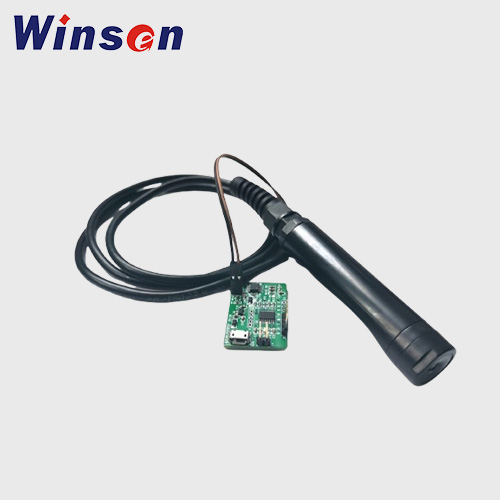
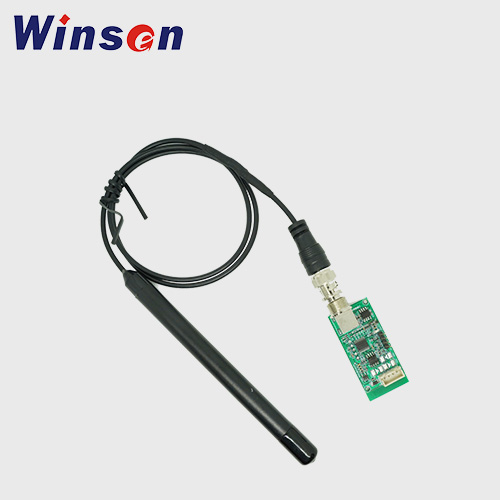
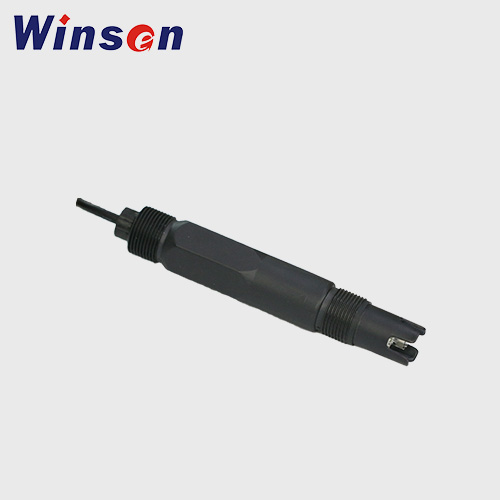
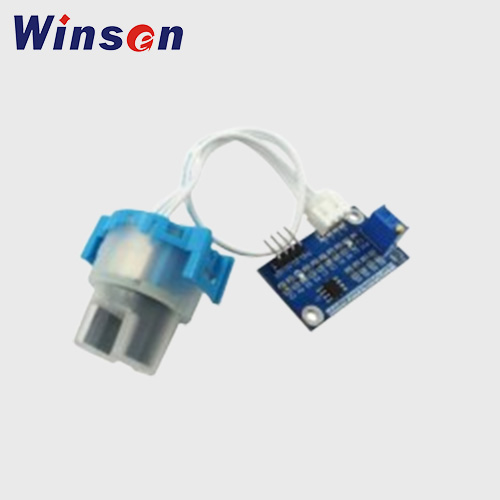
  • ZW-PH101 – industrial pH sensor for flotation and leaching tanks.
  • ZW-ORP101 – ORP probe for cyanide leaching and oxidation control.
  • ZW-TUR102 – turbidity sensor for thickener overflow and tailings water.
  • ZE03-SO₂ / H₂S / O₂ / CO / NO₂ / NH₃ – modular design for fixed or portable multi-gas detectors.
  • WPCK07 / WPCK62 – level and pressure monitoring for underground sumps and pumps.

4. Tailings management

Tailings dam failures are among the most severe mining accidents. Real-time monitoring of pore-water pressure, pond level and seepage water quality is essential for risk control and regulatory compliance.

Key sensor applications

  • Pressure / pore-water pressure sensors – installed inside embankment dam bodies to monitor phreatic line and pore pressure, the core indicators of dam stability.
  • Liquid Level sensors – continuous monitoring of tailings pond water level to maintain safe elevation limits.
  • Water quality sensors – pH, turbidity and heavy-metal indicators in upstream and downstream monitoring wells to detect seepage and groundwater contamination.

Recommended models

  • WPCK07 / WPCK81 / WPCK62 – high-stability pressure transmitters for dam body pore pressure and pond level monitoring.
  • ZW-PH101 / ZW-TUR102 / ZW-C101 – pH, turbidity and conductivity sensors for seepage water monitoring.

5. Smelting & Refining

In smelters and refineries, high temperatures and corrosive chemicals create harsh conditions for both people and equipment. Continuous emission monitoring and leak detection are a must.

Key sensor applications

  • Gas sensors (core demand) – continuous monitoring of SO₂, NOₓ, CO, CO₂ and other stack emissions to meet environmental regulations; toxic gas detection such as Cl₂ and NH₃ inside workshops and storage rooms.
  • Pressure sensors – reaction vessels, boilers and pressure pipelines safety control.
  • Liquid Level sensors – molten metal level monitoring, acid and alkali tank level control.

Recommended models

  • ZE03-SO₂ / ZE03-NH₃ – compact modules for flue gas and toxic gas monitoring.
  • WPCK81 / WPCK62 – pressure and level monitoring in high-temperature and corrosive environments (with proper material selection).

Communication & System Integration

Winsen mining sensors support flexible electrical interfaces and communication protocols to connect easily with your existing monitoring platforms.

Typical options

  • 4–20 mA / 0–10 V analog output for traditional DCS and PLC systems.
  • RS485 or UART for digital networking and long-distance transmission.

Mining Sensor Application Matrix

Use the matrix below to quickly match typical mining scenarios with the recommended Winsen sensor technologies and model numbers.

Mining Stage Typical Scenario Key Parameters Recommended Sensor Types Suggested Winsen Models
Exploration & Development Drilling rig, mud pump room, test wells CH₄, H₂S, CO, drilling fluid pressure Gas sensors, pressure sensors MH-T7042A, ZE03-H₂S, ZE03-CO, WPCK07, WPCK81
Underground & Open-pit Mining Roadways, working face, pump station, substation CH₄, CO, O₂, NO₂, H₂S, sump level Gas sensors, Liquid Level sensors MH-T7042A, ZE03 multi-gas, WPCK07, WPCK62
Ore Processing & Washing Flotation cells, cyanide leach tanks, thickeners pH, ORP, turbidity, conductivity, tank level Water quality sensors, Liquid Level sensors, gas sensors ZW-PH101, ZW-ORP101, ZW-TUR102, ZW-C101, WPCK62, ZE03
Tailings Management Tailings pond, dam embankment, seepage monitoring wells Pore-water pressure, pond level, pH, turbidity, conductivity Pressure sensors, Liquid Level sensors, water quality sensors WPCK07, WPCK81, WPCK62, ZW-PH101, ZW-TUR102, ZW-C101
Smelting & Refining Stack emissions, acid plant, gas storage, process vessels SO₂, NOₓ, CO, CO₂, Cl₂, NH₃, pressure, level Gas sensors, pressure sensors, Liquid Level sensors ZE03-SO₂, ZE03-NH₃, MH-T7042A, WPCK81, WPCK62

Mining Sensor Available Worldwide

Use the matrix below to quickly match typical mining scenarios with the recommended Winsen sensor technologies and model numbers.

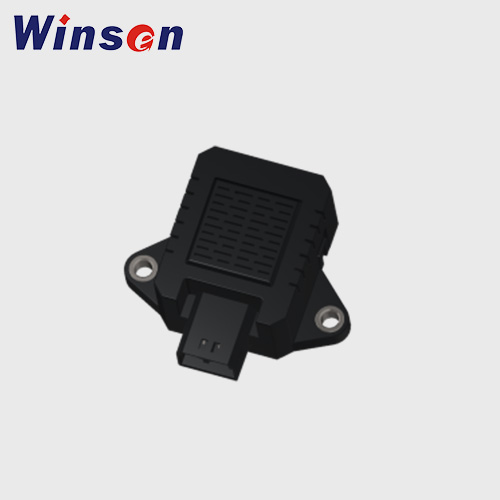
MH-T7042A Infrared CH4 Gas Sensor
  • Combustible gas(CH4)
  • 0~100%VOL optional
  • Read More
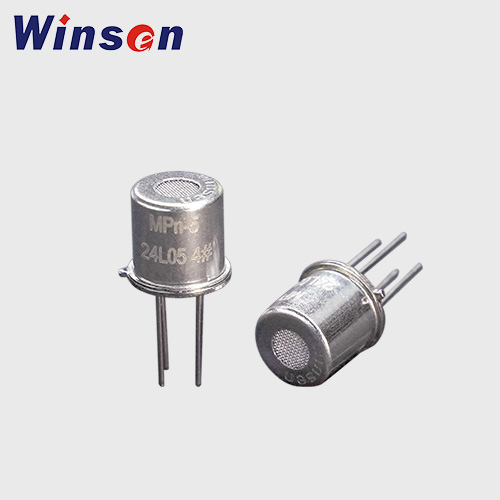
EC Hazardous Toxic Gas Detection Sensor Module ZE03
  • CO,O2,NH3,H2S,NO2,O3,SO2, CL2,HF,H2,PH3,HCL, etc.
  • See manual
  • Read More
ZW-C101 Electrical Conductivity Water Quality Detection Sensor
  • Electrical Conductivity
  • 0~20000μS/cm
  • Read More
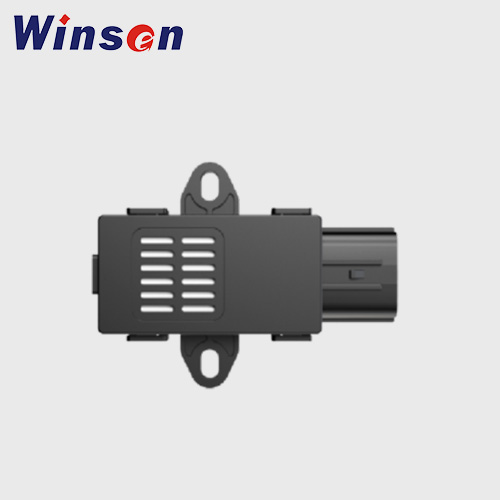
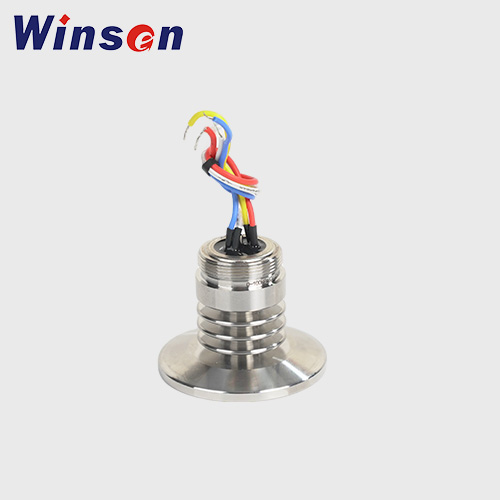
WPCK81 Liquid Level Transmitter

Get Factory Price And Free Samples Right Now!

Get factory-direct pricing on Winsen mining sensors and claim free samples today. Fast quotes, quick delivery, and custom solutions available—ideal for prototyping or bulk orders, with dedicated support to meet your requirements.

WeChat

18569903598

WeChat QR Code

Whatsapp

+8618595618735

Whatsapp QR Code

LET'S TALK

Free Get Price


Sensors in the Mining Industry – Applications & Complete Guide

Mining covers the extraction of naturally occurring resources in solid (coal, metal ores, minerals), liquid (crude oil) and gas form (natural gas). It is a complex value chain that includes exploration, development, ore extraction, processing, tailings management and smelting.

From underground tunnels to tailings dams and smelter stacks, sensors provide real-time data for safety, process control and environmental compliance. This article explains how gas, water quality, pressure and Liquid Level sensors are applied throughout the mining lifecycle, and how Winsen solutions help you build reliable monitoring systems.

1. Why Sensors are Critical for Modern Mining?

Compared with traditional experience-based operation, digital mining requires continuous, accurate and reliable data. Properly deployed sensors help operators:

  • Improve personnel safety by detecting toxic and explosive gases in advance.
  • Optimize process stability in drilling, ore processing and smelting.
  • Reduce unplanned downtime by early warning of abnormal pressure, level or water quality.
  • Meet increasingly strict environmental regulations on emissions and wastewater discharge.
  • Support remote monitoring and IoT platforms for smart mines.

2. Key Mining Processes & Sensor Solutions

Typical mining projects can be divided into five main stages. Each stage has its own sensor requirements:

Step 1 – Exploration & Development

Drilling test wells, geological exploration and early infrastructure construction.

  • Gas sensors for methane (CH4) and hydrogen sulfide (H2S) in boreholes
  • Pressure sensors for drilling mud circulation and pump protection
Step 2 – Underground & Open-pit Mining

Ore extraction in tunnels, stopes and open pits.

  • Fixed and portable multi-gas sensors for CH4, CO, O2, NO2, H2S
  • Level and pressure sensors for mine water pumps and tanks
Step 3 – Ore Processing (Washing)

Crushing, grinding, flotation and leaching.

  • pH, ORP, conductivity and turbidity sensors for process water
  • Liquid Level sensors for thickeners, reactors and reagent tanks
Step 4 – Tailings Management

Tailings storage facilities (TSF) and dam safety.

  • Pore-water pressure sensors to evaluate dam stability
  • Level and water quality sensors for tailings ponds and monitoring wells
Step 5 – Smelting & Refining

High-temperature metallurgical processes and gas treatment.

  • Gas sensors for SO2, NOx, CO, CO2 and toxic leaks (Cl2, NH3)
  • Pressure and Liquid Level sensors for reactors, boilers and acid/alkali tanks

3. Core Sensor Types Used in Mining

Winsen offers a portfolio of sensing technologies tailored to harsh mining environments:

Gas Sensors

For underground safety, process and emission monitoring.

  • Multi-gas modules such as MH-T7042A
  • Electrochemical modules ZE03-SO2/H2S/O2/CO/NO2/NH3 for precise measurement
  • Support for fixed detectors and portable personal monitors
Water Quality Sensors

For process water, mine drainage and tailings ponds.

  • ZW-O101 dissolved oxygen
  • ZW-PH101 pH, ZW-ORP101 ORP
  • ZW-C101 conductivity, ZW-TUR102 turbidity
Pressure & Liquid Level sensors

For pipelines, slurry tanks, dams and ponds.

  • Industrial pressure transmitters such as WPCK07, WPCK81, WPCK62
  • Hydrostatic Liquid Level sensors for wells, sumps and reservoirs
  • Multiple process connections for pumps, filters and pipelines

4. Typical Application Scenarios in Detail

4.1 Exploration & Development
  • Real-time monitoring of CH4 and H2S in boreholes during drilling to prevent blowouts and poisoning.
  • Pressure sensors supervise drilling mud circulation and pump operation.
  • Data can be logged for reservoir evaluation and safety analysis.
4.2 Underground & Open-pit Mining
  • Fixed gas detection at tunnels, pump rooms, substations and conveyor galleries.
  • Portable detectors carried by miners as personal protection devices.
  • Level and pressure sensors prevent flooding of shafts and stopes by controlling dewatering pumps.
4.3 Ore Processing (Washing)
  • pH and ORP sensors control flotation and cyanide leaching conditions.
  • Turbidity and suspended solids sensors track thickener performance and water clarity.
  • Liquid Level sensors keep reaction tanks and reagent dosing systems within safe operating ranges.
4.4 Tailings Dam & Water Management
  • Pore-water pressure sensors buried in the dam body monitor seepage and stability.
  • Water Liquid Level sensors maintain pond elevation below safety thresholds.
  • Water quality sensors (pH, turbidity, heavy metal monitoring systems) help detect leakage into surface and groundwater.
4.5 Smelting & Refining
  • Gas analyzers measure SO2, NOx, CO and CO2 in flue gas for process optimization and emission reporting.
  • Toxic gas sensors protect workers around chlorine, ammonia and acid gas handling systems.
  • Pressure and Liquid Level sensors ensure safe operation of boilers, reactors and chemical storage tanks.

5. How to Select the Right Sensor for Mining Projects

When designing a mining monitoring system, consider the following key parameters:

Parameter Description Selection Suggestion
Target Medium Gas type, water quality parameter, pressure or liquid level Match sensor type to measured medium (CH4, SO2, pH, turbidity, slurry level, etc.)
Measurement Range Lower and upper limits of measurable value Choose range based on worst-case conditions; allow safety margin for extreme events
Accuracy & Response Time How close and how fast the reading approaches the true value Safety alarms: fast response (<10s) and high accuracy; trend monitoring can accept slower response
Explosion Protection & IP Grade Protection level against explosive atmospheres, dust, water and mechanical impact Underground: Ex-proof and high IP rating (IP65–IP68); surface: IP65 or above for outdoor use
Output Signal Interface to PLC, DCS or IoT gateways Industrial systems: 4–20 mA / RS485 Modbus; IoT nodes: UART, I2C or digital output
Operating Environment Temperature, humidity, vibration and chemical corrosion Ensure components are suitable for -40 °C~85 °C, high humidity and dusty environments

6. Integration & Maintenance Best Practices

Installation Tips
  • Place gas sensors at proper height according to gas density and near possible leak points.
  • Install water quality probes in locations with representative and stable flow, avoiding bubbles and sediment.
  • Use proper cable glands and junction boxes to ensure sealing, strain relief and EMC performance.
  • Integrate sensors with alarms, PLC/DCS and SCADA platforms for centralized management.
Maintenance Suggestions
  • Perform calibration of gas sensors with standard gas at least every 6–12 months.
  • Regularly clean water quality probes; follow manufacturer instructions for membrane and electrolyte replacement.
  • Inspect pressure and Liquid Level sensors for mechanical damage, clogging and cable aging.
  • Establish preventive maintenance plans to extend sensor lifetime and reduce downtime.

7. Why Cooperate with Winsen for Mining Sensor Solutions?

  • Wide portfolio covering gas, water quality, pressure and level sensors for the whole mining value chain.
  • Modular design for fixed installations, portable instruments and OEM integration.
  • Stable mass production and strict quality control to support large mining projects.
  • Engineering team available for customization of ranges, interfaces and housings.

If you are planning a new mine, upgrading existing facilities or building a smart mining platform, contact Winsen for professional sensor selection and system integration support. Our team will help you design reliable, efficient and compliant monitoring solutions for your project.


FAQs About Sensors in the Mining Industry

Get quick answers to common questions about gas, water quality, pressure and Liquid Level sensors in mining. Learn how to select, install and maintain sensors for safe, efficient and compliant mine operations.

Typical key gases include methane (CH4), carbon monoxide (CO), oxygen (O2), nitrogen dioxide (NO2), hydrogen sulfide (H2S) and sometimes ammonia (NH3) and sulfur dioxide (SO2) near processing plants and smelters. CH4 and CO are mainly related to explosion and fire risks, while H2S, NO2 and SO2 are highly toxic. Winsen multi-gas modules (such as MH-T7042A and ZE03 series) can be combined to monitor several gases at the same time and trigger alarms before dangerous levels are reached.

In exploration and development, gas and pressure sensors are mainly used for drilling safety and mud circulation monitoring. In underground and open-pit mining, fixed and portable gas sensors plus Liquid Level sensors for dewatering are priority. During ore processing, pH, ORP, conductivity and turbidity sensors (ZW-PH101, ZW-ORP101, ZW-C101, ZW-TUR102) are essential for process control, while tailings dams require pore-water pressure and level sensors. Smelting and refining focus on flue gas monitoring (SO2, NOx, CO, CO2) and toxic leaks. Winsen can recommend different models and ranges based on your specific process flow and risk points.

Underground coal mines and gassy metal mines usually require Ex-certified equipment for methane and coal dust atmospheres, together with high enclosure protection classes (typically IP65–IP68). Sensors used outdoors in open pits, tailings ponds and processing plants need at least IP65 to resist dust, rain and wash-down. When selecting Winsen sensors or modules, our team can help you design explosion-proof housings and protection structures that meet local mining safety regulations and certification standards.

For most mining projects, gas sensors should be bump-tested regularly (e.g. weekly or monthly) and calibrated with standard gas every 6–12 months. In harsh environments with high dust or corrosive gases, the interval can be shortened to 3–6 months. Water quality probes typically require more frequent inspection and cleaning, but calibration cycles can be set at 3–12 months depending on process requirements. Pressure and Liquid Level sensors are more stable and usually need only periodic verification or calibration during plant shutdowns. Winsen provides calibration guidelines and can support on-site or laboratory calibration solutions.

Yes. Winsen not only supplies individual sensors and modules (gas, water quality, pressure and level), but also supports OEM/ODM integration. We can customize measurement ranges for different mine areas, provide standard industrial interfaces (4–20 mA, RS485 Modbus, UART, I2C), and optimize board size and layout for your controllers or IoT nodes. We can also help design complete monitoring solutions for underground safety, tailings dams, process plants and smelters. Please contact our sales and technical team with your process diagram and technical requirements for a tailored proposal.

Leading gas sensing Solution supplier

Our Hot Products

ANY QUESTIONS?

Frequent Asked Questions

Professional manufacturer of gas sensors, global sensing solutions provider with over 30 years of experience. Top quality guarantee, Excellent service, Customized products, Fast delivery!

Reference lead times: 1-15 days after receiving deposit depending on volume. The actual lead time can be confirmed with Winsen Order Processing Dept.

Winsen will recommend the most appropriate way of transportation (express, air, sea, train, etc.) according to customer's requirement on cost and time.

T/T, Paypal, West Union, Credit Card, etc.

MOQ is different depending on product models. Please contact Winsen sales for details.

Customer LOGO and packing design are acceptable.
Customized design and function will be provided without extra charge (including molding fee).

Sample order is acceptable and the fees will be borne by buyer.

Winsen has a complete and strict flow for offline sensors: aging-reject defective-sampling inspection-issue reports-finished ingoing...outgoing.

All Winsen products go through strict inspections and tests to make sure they are 100% qualified before shipping out.

ppm: parts per million
ppb: parts per billion
VOL: volume ratio
LEL: lower explosive limit
NDIR: Non-Dispersive Infra-Red

CONTACT US

LET'S TALK

Request Consultation