Cleaner Air, Smarter Monitoring
How We Help Cities, Parks, and Industrial Zones Meet Stricter Air Quality Targets Worldwide
Air quality management is entering a new phase globally: lower thresholds, more pollutants, higher data credibility, and denser monitoring coverage.
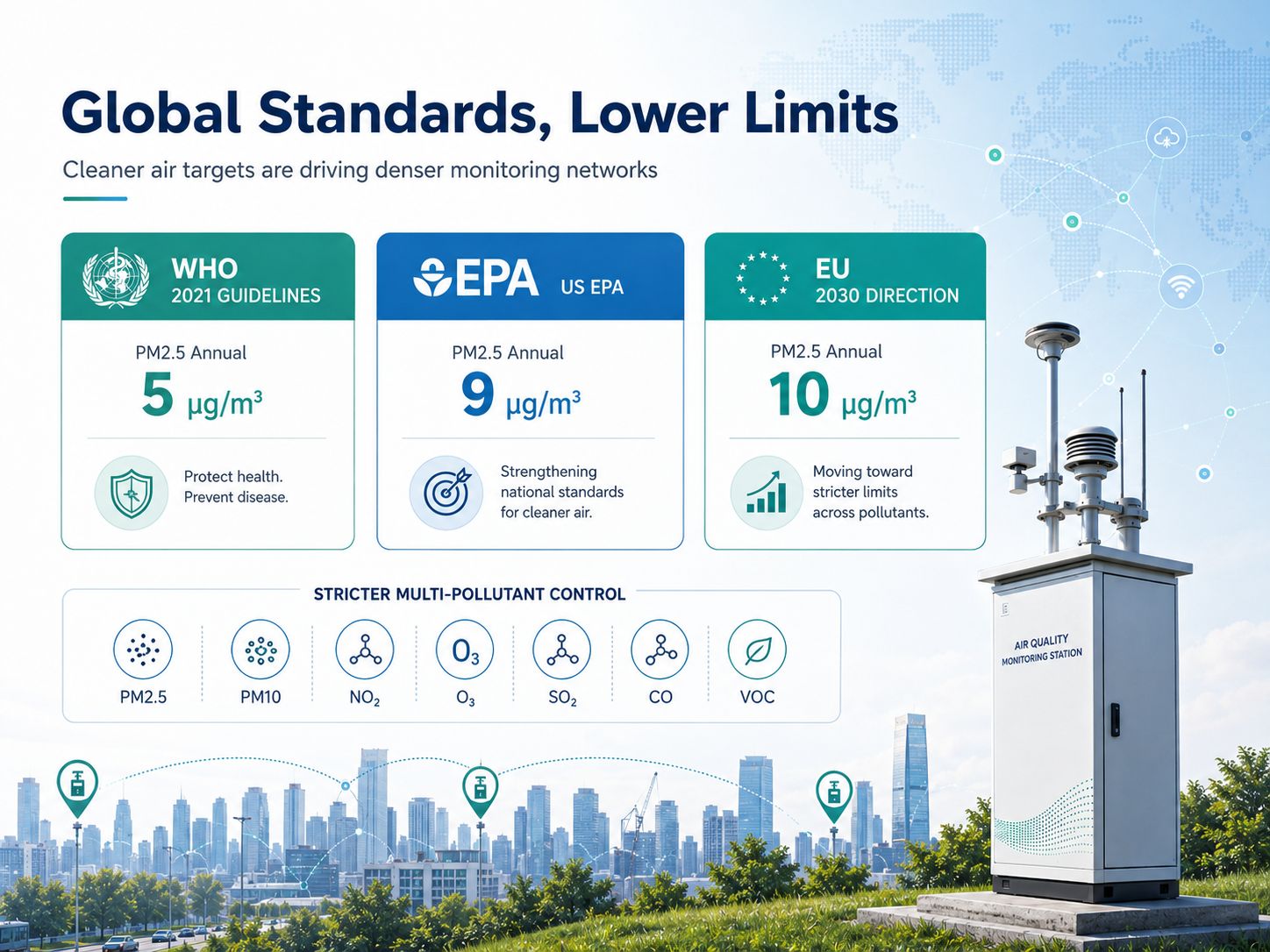
Two major signals are shaping international monitoring strategies:
- Health-based guidance is getting stricter. The WHO’s 2021 Global Air Quality Guidelines recommend an annual PM2.5 level of 5 µg/m³ and a 24-hour PM2.5 level of 15 µg/m³, reflecting evidence that health risks exist even at low concentrations.
- Regulatory limits are tightening in key markets. In the United States, EPA set the primary annual PM2.5 standard to 9.0 µg/m³ (finalized in 2024).
In Europe, the EU adopted a revised ambient air quality directive to lower allowable levels for multiple pollutants by 2030, including PM2.5, PM10, NO₂/NOx, SO₂, O₃, CO, benzene and more.
The takeaway is practical: to manage cleaner air targets, monitoring must become more fine-grained, more multi-parameter, and easier to scale.
What “Stricter Standards” Means for Real Monitoring Projects
1) Lower thresholds demand better low-concentration performance
When targets move closer to WHO guideline levels, low-level sensitivity and stability become more important—especially for PM2.5 and NO₂/O₃.
2) Multi-parameter monitoring becomes the default
Modern management programs increasingly require a combined view of:
- Particles: PM2.5/PM10
- Core gases: NO₂, O₃, SO₂, CO
- Refined governance: VOCs (e.g., industrial/traffic-related)
- Nuisance control: odor-related compounds around industrial parks and waste/water facilities
3) Networks become denser (grid + mobile + hotspot)
One “big station” per city is not enough for refined control. The trend is:
- grid micro-stations for spatial resolution
- mobile monitoring for rapid screening
- hotspot densification for sensitive areas (parks, schools, scenic zones)
- fence-line monitoring for industrial zones and diffuse emissions
4) Reference methods stay important—but sensors scale coverage
Regulators commonly rely on reference-grade instruments for compliance reporting, while sensor-based systems bring:
- faster deployment
- lower cost per point
- flexible installation
- remote maintenance and diagnostics
- better spatial coverage for decision-making
Our Ambient Air Monitoring Sensor Portfolio
PM + Core Gases + VOC + Odor — Built for Scalable Deployment
We provide a modular sensing toolkit that can be assembled into:
- fixed grid stations
- compact micro-stations
- mobile / drive-by monitoring kits
- fence-line monitoring nodes
- portable inspection instruments
Below is a clear mapping from monitoring need → recommended sensing technology → our product families.
A) Particulate Matter (PM2.5 / PM10): Laser Scattering PM Sensors
PM2.5 remains the most widely tightened indicator globally, and monitoring often starts here.
Laser scattering PM sensors provide broad coverage for both clean-air and pollution episodes, with strong low-level response.
- particle size resolution down to 0.3 µm
- effective concentration range 0–1000 µg/m³
For outdoor and tougher environments, we also offer outdoor-oriented PM sensor solutions (fan-sampling designs), used for PM2.5/PM10 monitoring in wide temperature ranges.
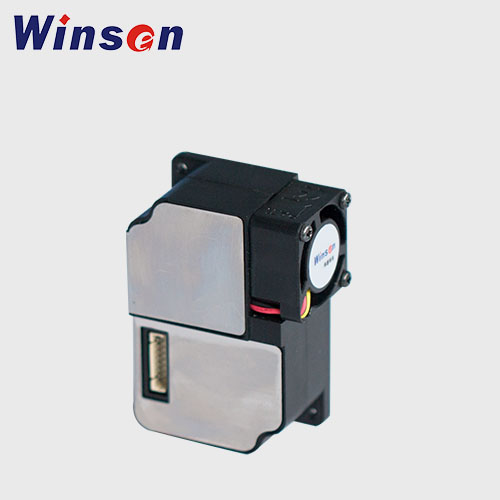
B) VOC / TVOC: Photoionization PID Sensors for Refined Governance
VOCs are critical for:
- industrial park management
- emergency response screening
- indoor/outdoor exposure mapping
- odor and complaint-oriented investigations (when paired with other indicators)
4R-PID Photoionization PID Sensor
- target: VOCs (≤10.6 eV)
- detection range: 0–10000 ppm
- fast response: ≤5 s
This is a strong core component for portable VOC meters, fixed VOC monitors, and mobile screening instruments.
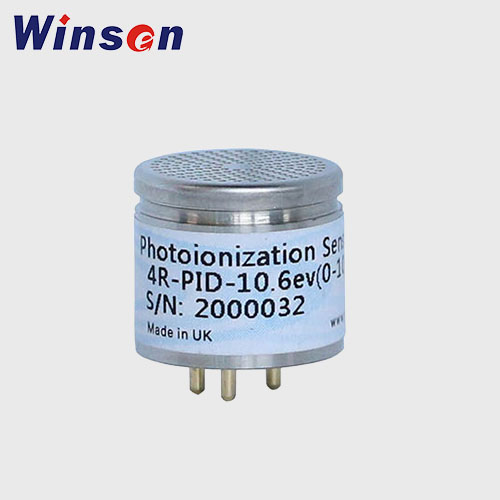
C) Core Ambient Gases (CO / SO₂ / NO₂ / O₃): Electrochemical Modules and Sensor Platforms
For multi-gas monitoring at scale, electrochemical sensing remains one of the most practical choices for compact stations and distributed networks.
ZEHS04 Atmospheric Monitoring Sensor Module
- diffusion-type multi-in-one module for CO, SO₂, NO₂, O₃
- expandable with external PM and T/H modules
- outputs: TTL or RS485
This module is widely used as a “core gas block” in compact air monitoring instruments.
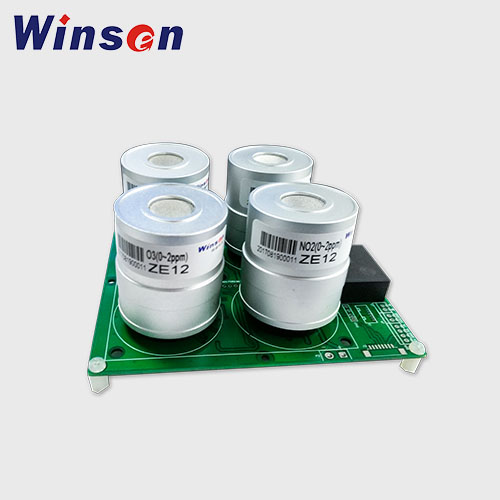
Atmospheric Monitoring Sensor Module ZEHS04
- CO, SO2, NO2, O3 (Scalable PM2.5, PM10, Temperature, Humidity)
- See manual
- Read More
D) Multi-Gas Expansion and Fast Integration: ZE03 Electrochemical Detection Module
When projects require flexible gas configuration or rapid prototype-to-deployment cycles, ZE03 provides a versatile platform:
- supports multiple electrochemical gas cells (CO, O₂, NH₃, H₂S, NO₂, O₃, SO₂, Cl₂, HF, H₂, PH₃, HCl, etc.)
- built-in temperature compensation
- outputs: UART (TTL) + analog voltage
- low power (<5 mA typical listing)
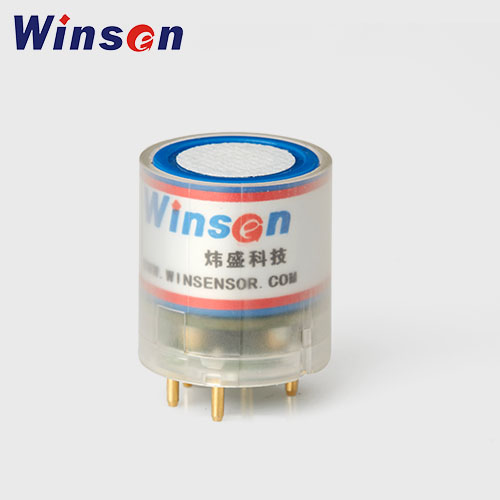
EC Hazardous Toxic Gas Detection Sensor Module ZE03
- CO,O2,NH3,H2S,NO2,O3,SO2, CL2,HF,H2,PH3,HCL, etc.
- See manual
- Read More
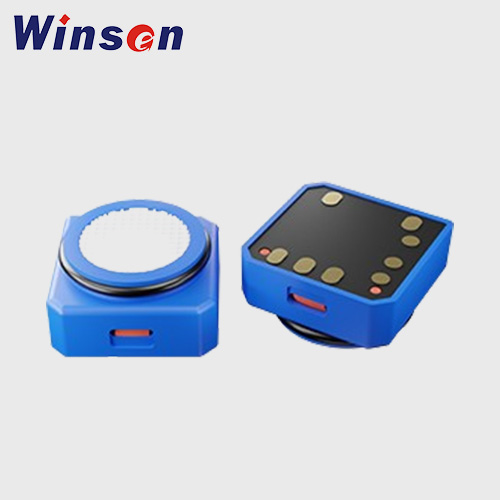
E) Odor Monitoring: Malodorous Gas Module Family (ZE80x Series)
Odor governance is becoming a “must-have” layer for many cities and industrial parks—especially around:
- waste/water facilities
- industrial zones
- logistics/warehousing chemical storage areas
- fence-line complaint hotspots
We provide malodorous gas modules such as:
- ZE801-NH3 (ammonia)
- ZE805-C2H6S (dimethyl sulfide)
and related variants for sulfur-containing odor compounds and other odor markers (module family coverage varies by model)
Recommended Deployment Configurations
1) Urban grid micro-stations (public health / city management)
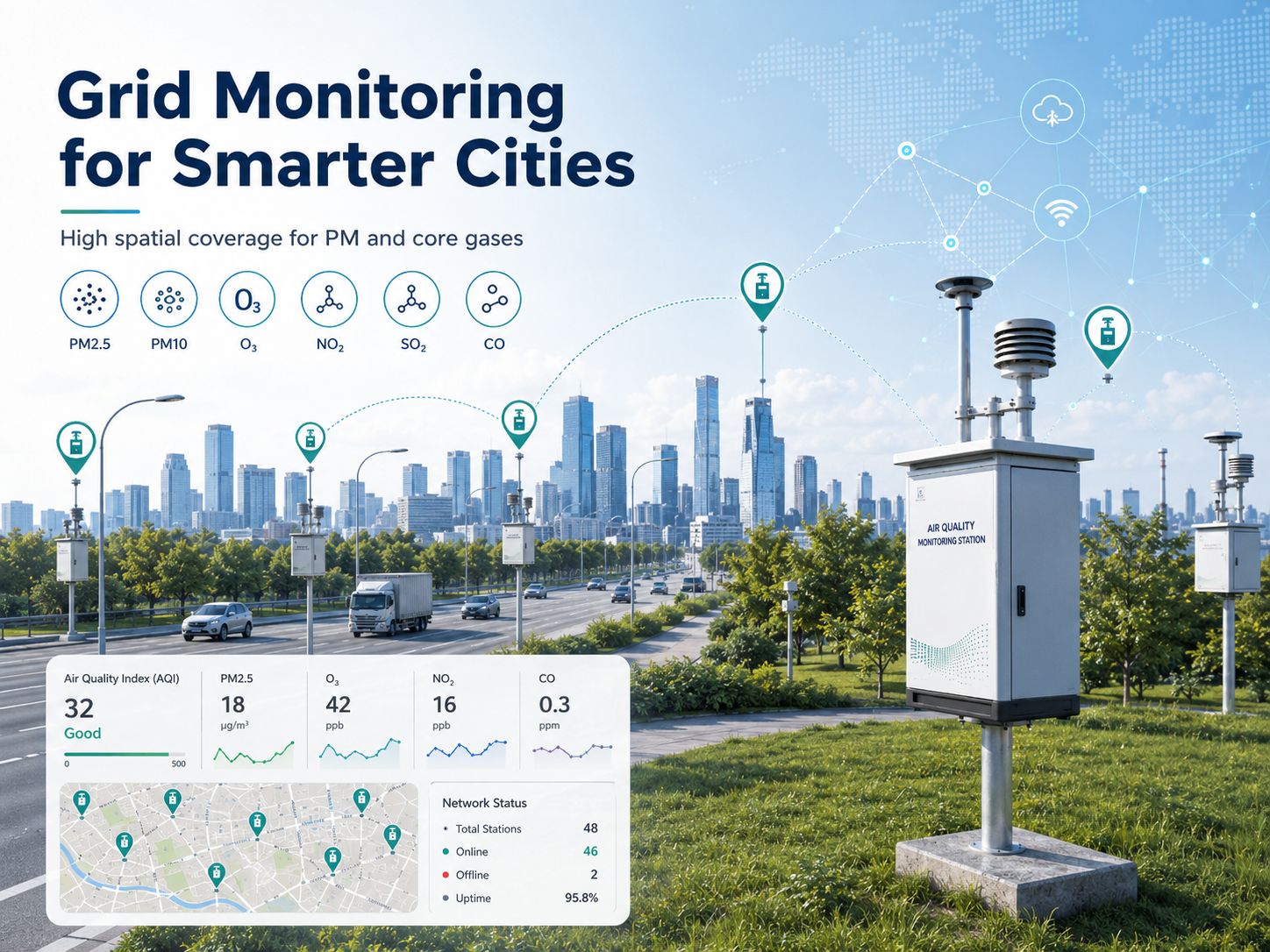
PM2.5 + PM10 (laser PM)
NO₂ + O₃ + SO₂ + CO (ZEHS04 or electrochemical platform)
Optional: T/H for compensation and diagnostics
Optional: VOC PID for hotspots and source screening
2) Industrial parks / fence-line monitoring (refined governance)
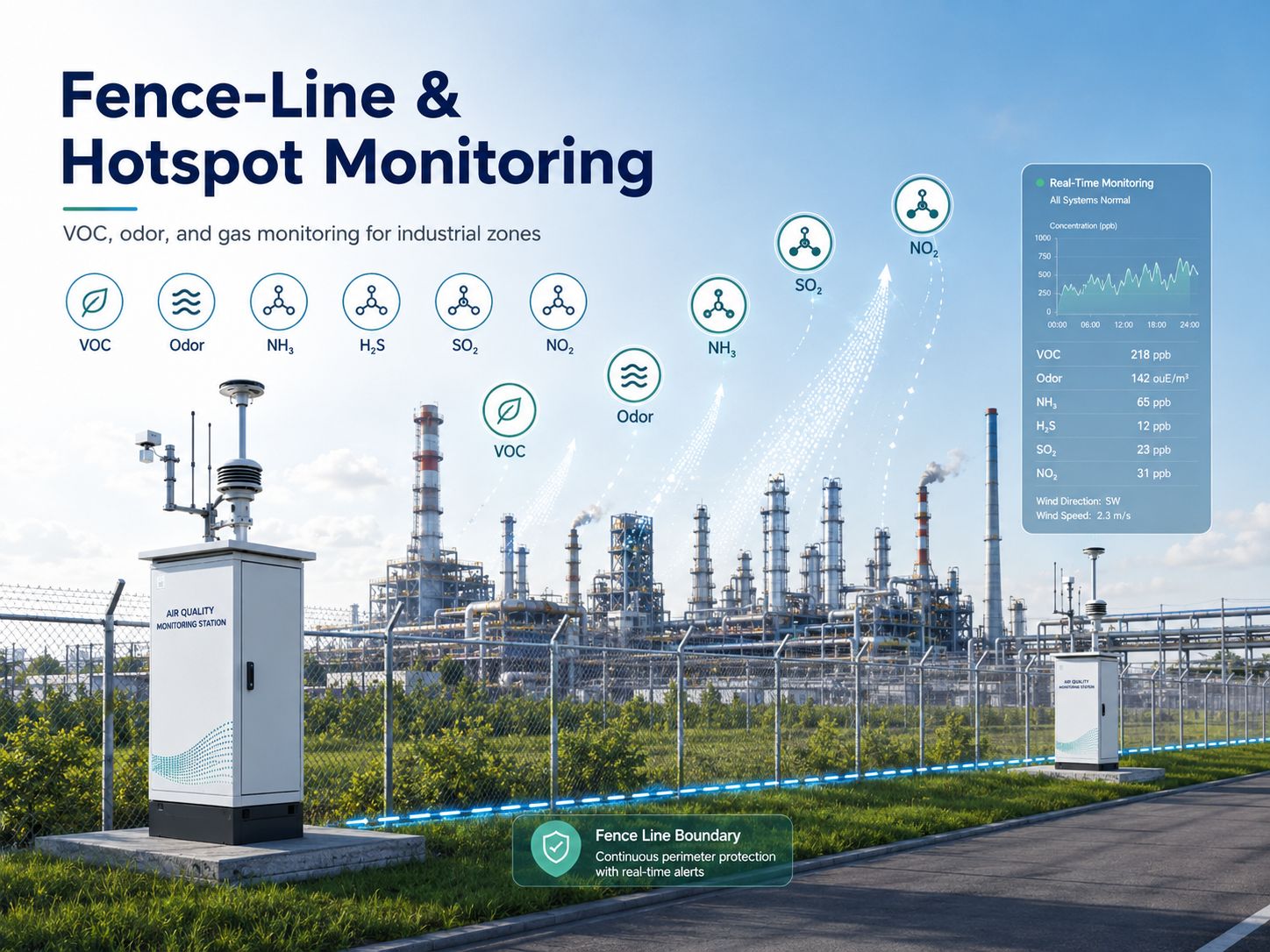
All of the above, plus:
- VOC PID (4R-PID) for leak screening and process-related VOC mapping
- Odor modules (ZE80x) for complaint-oriented management and odor source cues
3) Mobile monitoring / emergency response
- compact PM + VOC + multi-gas toolkit
- fast deployment, route-based mapping, incident verification
- supports rapid decision-making for response teams
Why Choose Our Platform Approach
For international projects, the hardest part is rarely “one sensor.” It’s building a system that is:
- scalable across many points
- stable in real environments
- easy to maintain remotely
- flexible enough for different pollutant sets and budgets
Our advantage is a stacked portfolio:
- particulate sensing
- core gas electrochemical platforms
- VOC PID capability
- odor module family
- multi-in-one modules for faster integration
supported by customization for different deployment patterns.