Formaldehyde in Indoor Air: Why Scientific Detection Matters More Than Smell
Recently, a public discussion about possible formaldehyde exposure in newly renovated accommodation spaces drew wide attention. Several people reportedly experienced throat irritation, hoarseness, nosebleeds and other discomfort after staying in a recently decorated indoor environment.
Whether in a dormitory, apartment, office, hotel, school, or newly furnished home, the concern behind this discussion is not limited to one incident. It points to a common indoor air quality problem: formaldehyde is often invisible, difficult to judge by smell, and may continue to release from building materials for a long time.
For families, property managers, appliance manufacturers and indoor air quality device developers, one question becomes increasingly important:
How can we accurately “see” formaldehyde in the air before it becomes a health risk?
What Is Formaldehyde?
Formaldehyde, also known as HCHO or CH₂O, is a colorless gas widely used in industrial production and building materials. It may be released from pressed wood products, adhesives, coatings, composite flooring, furniture, textiles, insulation materials and other indoor decoration products.
Unlike many visible pollutants, formaldehyde can exist in indoor air even when the room looks clean and newly decorated. In some cases, people may notice a pungent smell. However, at lower concentrations, relying on human smell is unreliable.
This is why formaldehyde is often described as an invisible indoor air threat.
Why Is Formaldehyde a Concern?
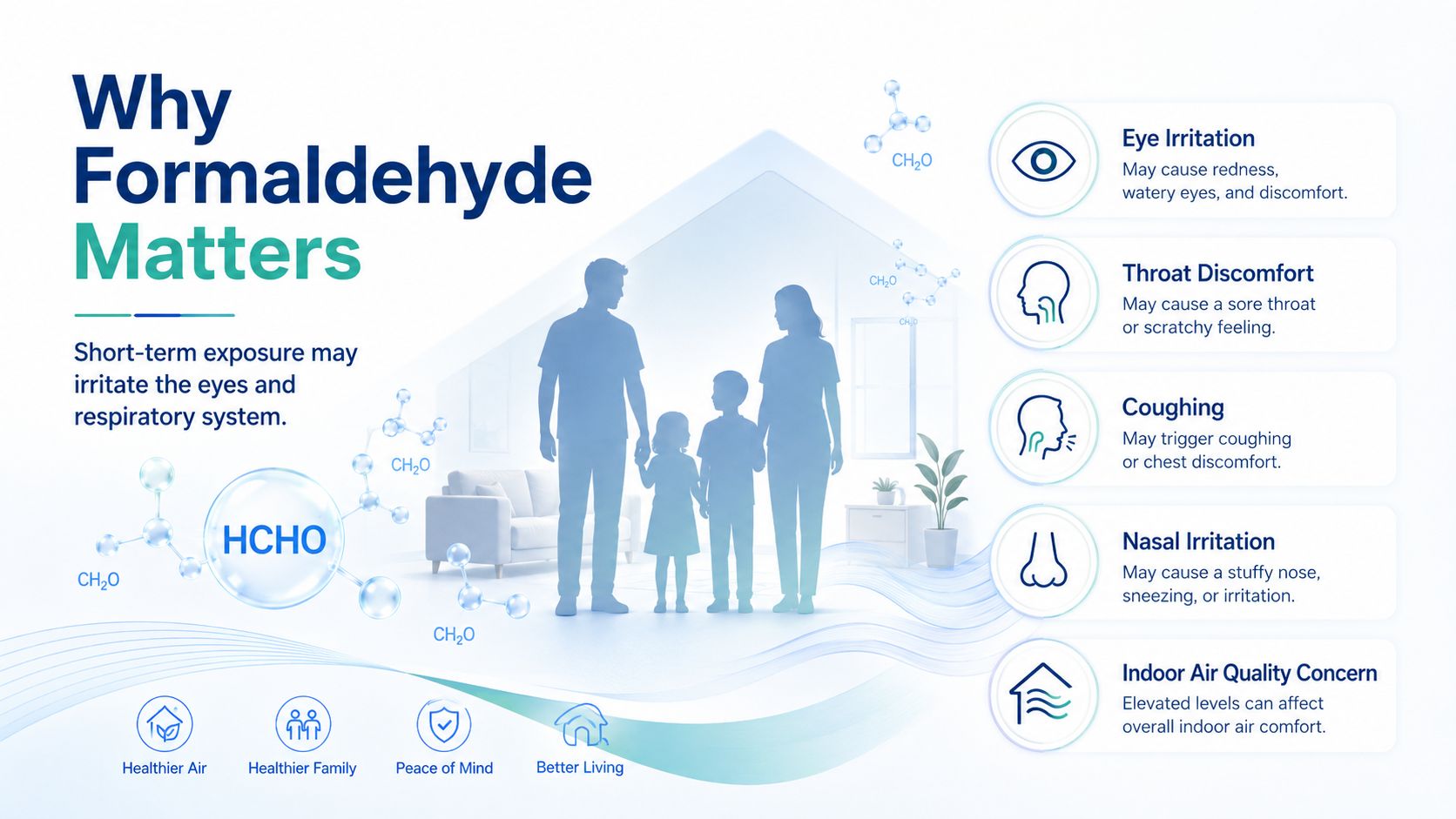
Formaldehyde can irritate the eyes, nose, throat and respiratory tract. Short-term exposure may cause symptoms such as eye discomfort, sore throat, coughing, hoarseness, nasal irritation or breathing discomfort. Public health agencies also recognize that high or long-term exposure may increase certain health risks. The U.S. EPA notes that formaldehyde can irritate the skin, eyes, nose and throat, and high levels of exposure may cause some types of cancer.
The U.S. CDC/ATSDR also states that formaldehyde can cause irritation of the eyes, nose and throat even at low levels for short periods, while longer or higher exposure may lead to more serious respiratory effects.
From a cancer-risk perspective, formaldehyde has been classified by IARC as carcinogenic to humans, and the U.S. National Cancer Institute also notes this classification.
For indoor environments, the risk is especially concerning because people may stay in the same space for many hours every day. Children, elderly people, people with asthma, and people with respiratory sensitivity may be more vulnerable to indoor air pollutants.
Where Does Indoor Formaldehyde Come From?
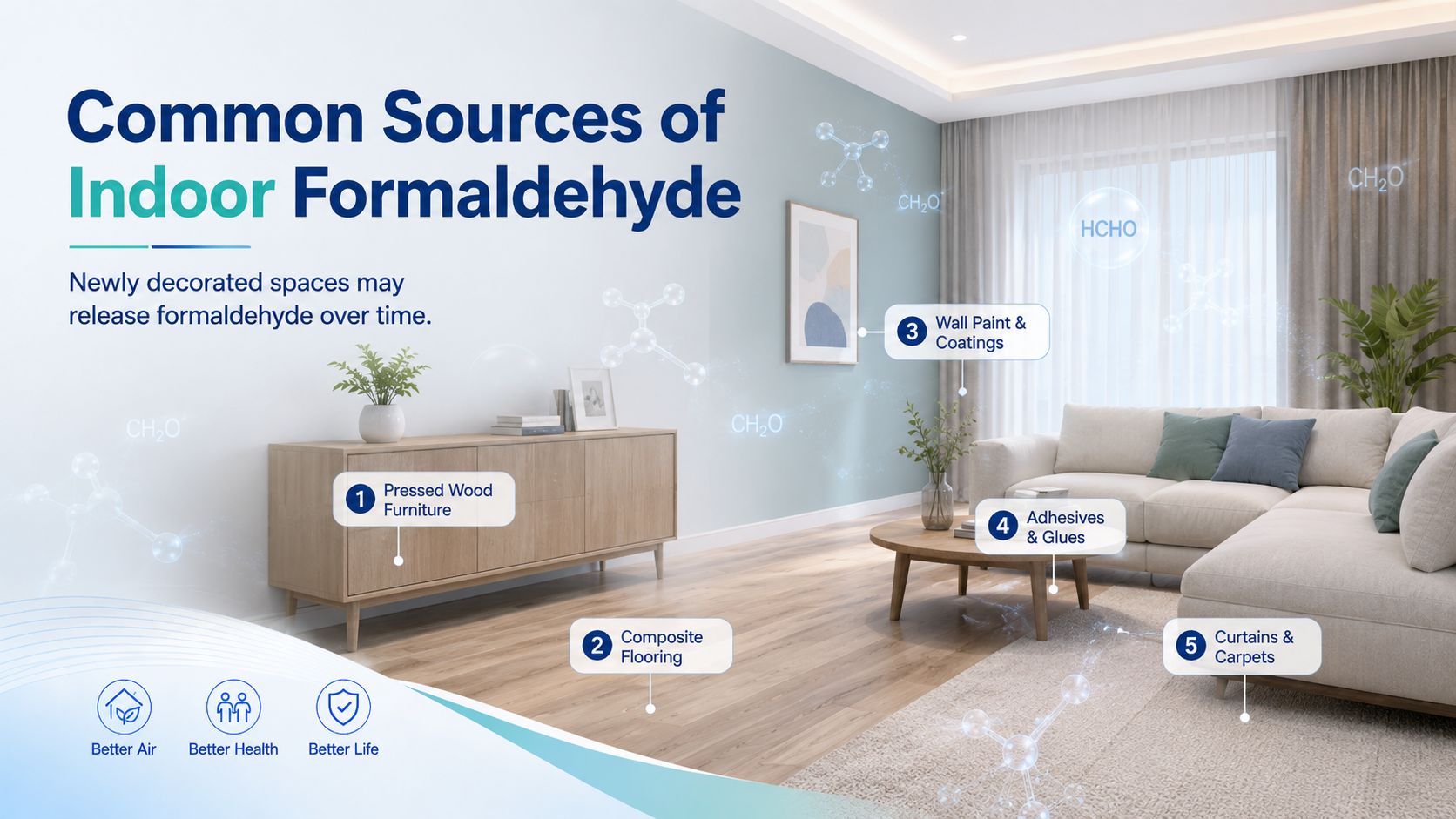
Formaldehyde sources are often closely related to decoration and furnishing materials. Common indoor sources include:
| Source | Why It May Release Formaldehyde |
|---|---|
| Pressed wood panels | Adhesives and resins may release HCHO over time |
| Composite flooring | Glue layers and backing materials may emit formaldehyde |
| New furniture | Boards, coatings and adhesives can be emission sources |
| Wall coatings and paints | Some chemical components may release VOCs or HCHO |
| Curtains, carpets and textiles | Finishing agents may contain formaldehyde-related compounds |
| Renovation adhesives | Bonding materials may continue to emit pollutants after installation |
A key challenge is that formaldehyde emission is not always a short-term problem. Temperature, humidity, material quality, ventilation and room volume can all influence indoor concentration. In hot and humid conditions, emission may become stronger, which is why some newly decorated spaces seem worse in summer or after heating.
Why “Smelling the Room” Is Not Enough
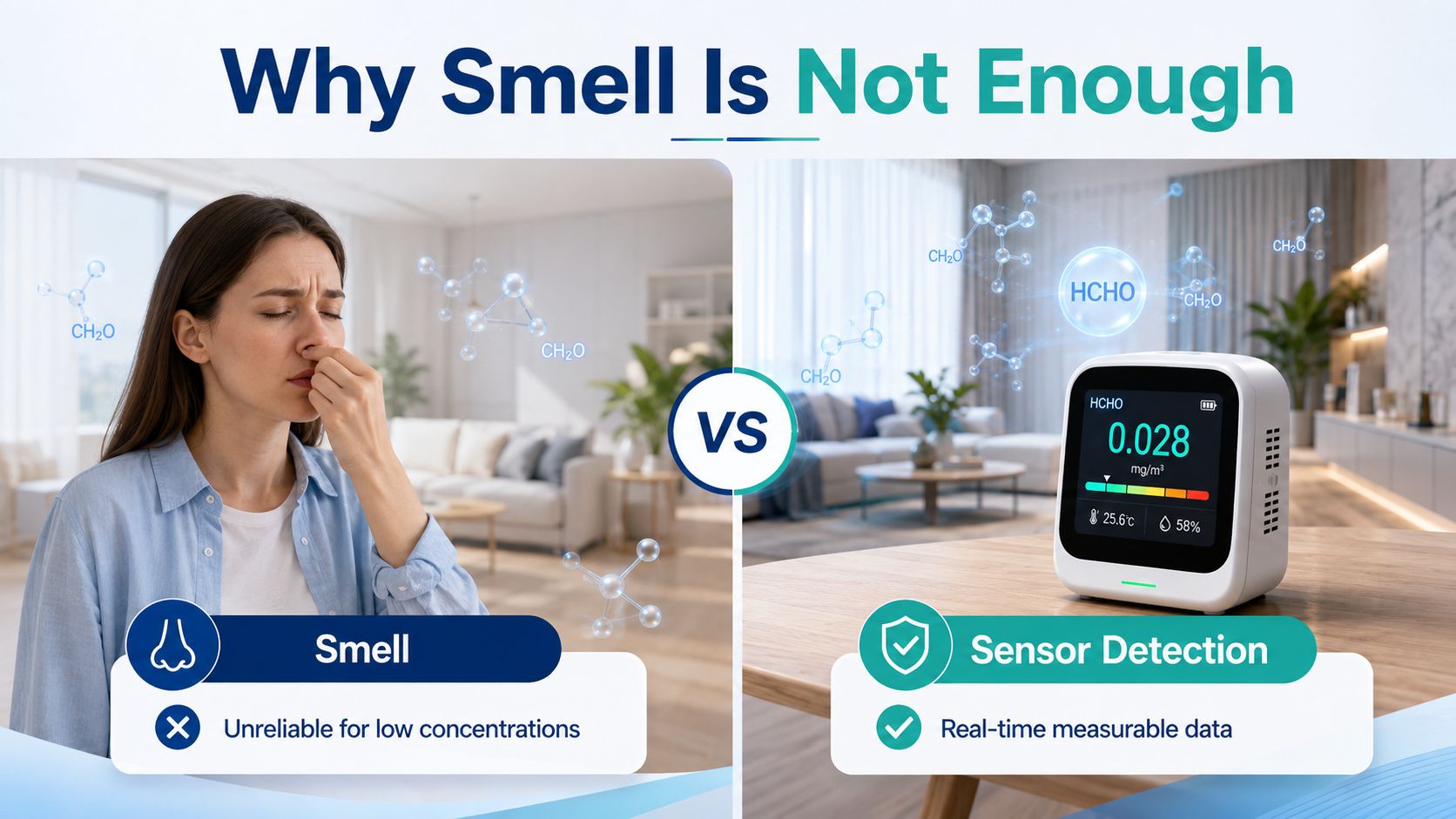
Many people still judge indoor air quality by smell. This is risky.
A room may smell acceptable but still contain measurable formaldehyde. On the other hand, a strong odor may come from a mixture of VOCs rather than formaldehyde alone. Human noses cannot accurately distinguish HCHO concentration, and different people have different sensitivity levels.
For reliable evaluation, formaldehyde needs to be measured by a dedicated detection device. This is where sensor technology becomes important.
How Electrochemical Formaldehyde Sensors Work
Electrochemical formaldehyde sensors detect HCHO through a chemical reaction at the sensing electrode. When formaldehyde gas reaches the sensitive electrode, it reacts and generates an electrical signal. The signal strength is related to the gas concentration, allowing the device to calculate and display HCHO levels.
This principle makes electrochemical formaldehyde sensors suitable for many indoor air quality applications because they can offer:
| Advantage | Value for Indoor Air Quality Devices |
|---|---|
| High sensitivity | Helps detect low-level formaldehyde changes |
| Good selectivity | Helps reduce interference from unrelated gases |
| Fast response | Supports real-time or near real-time monitoring |
| Compact size | Suitable for portable detectors and smart home products |
| Low power consumption | Useful for battery-powered and embedded devices |
| Digital / analog output options | Easier integration into different electronic systems |
For device manufacturers, the sensor is the core component that determines whether a formaldehyde detector can provide meaningful and stable data.
Winsen Formaldehyde Sensor Solutions
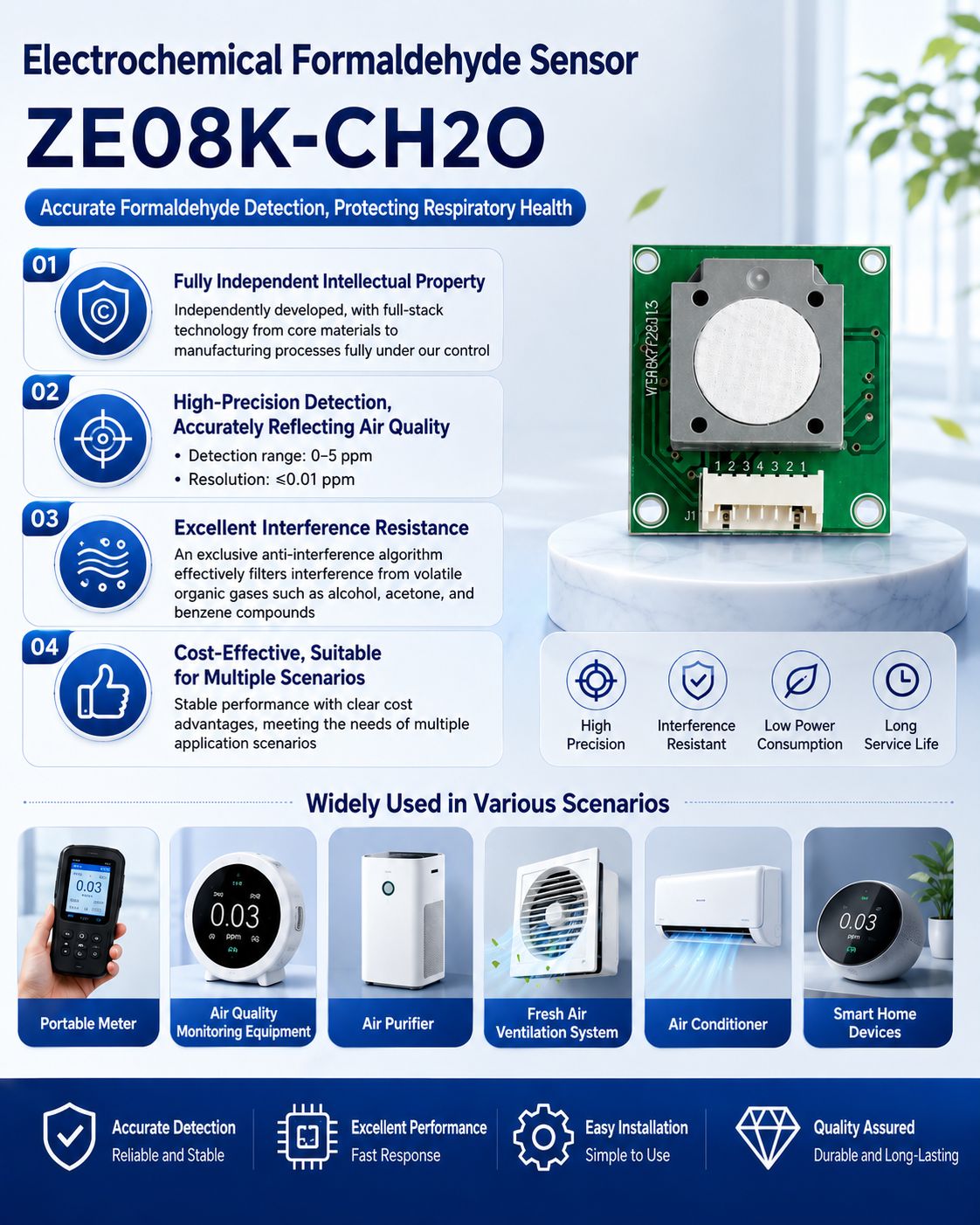
Winsen provides multiple HCHO / CH₂O formaldehyde sensor products for indoor air quality monitoring, smart home devices, air purifiers, fresh air systems, portable detectors and environmental monitoring equipment.
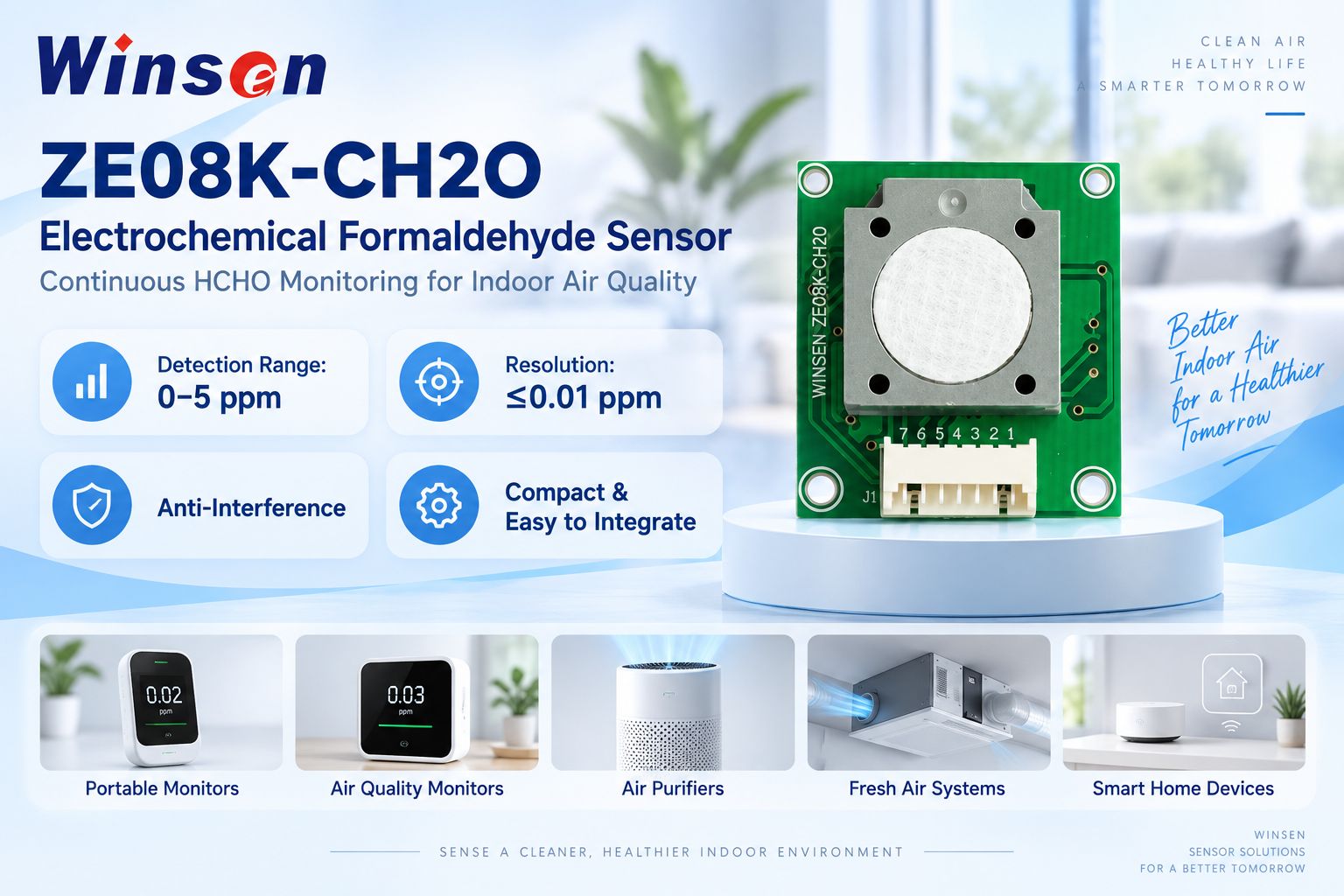
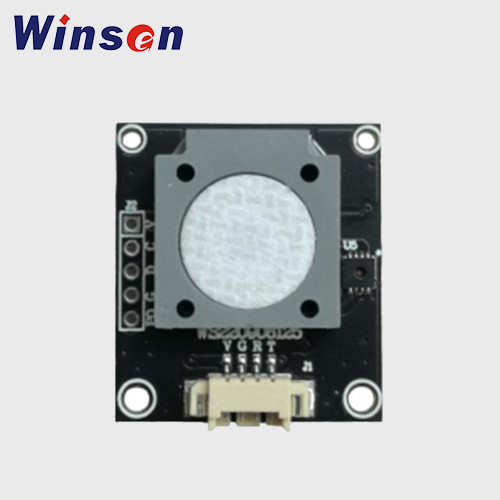
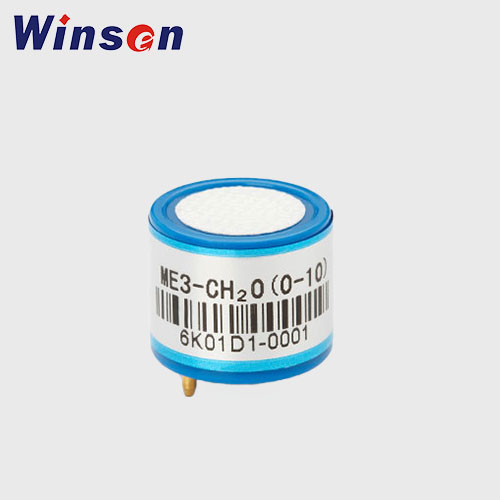
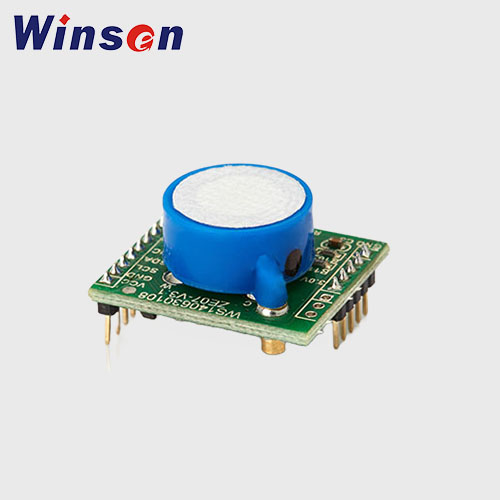
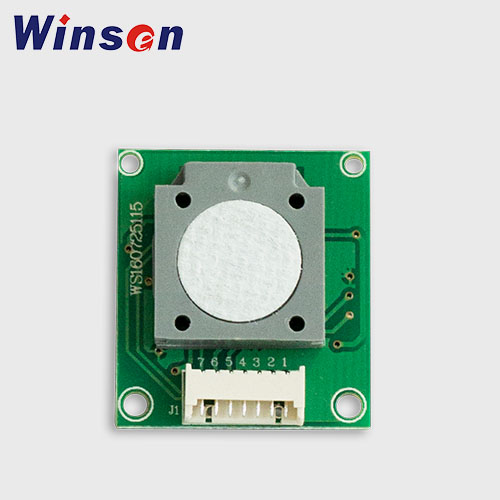
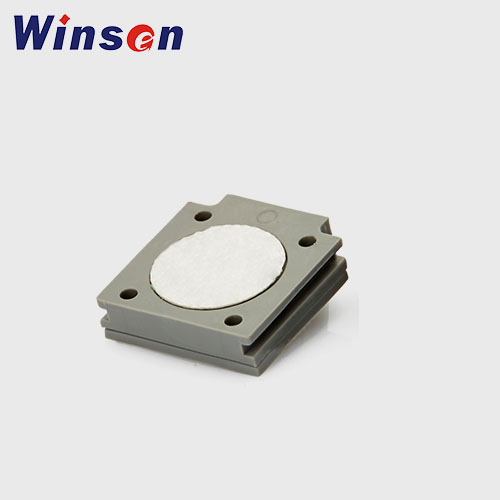
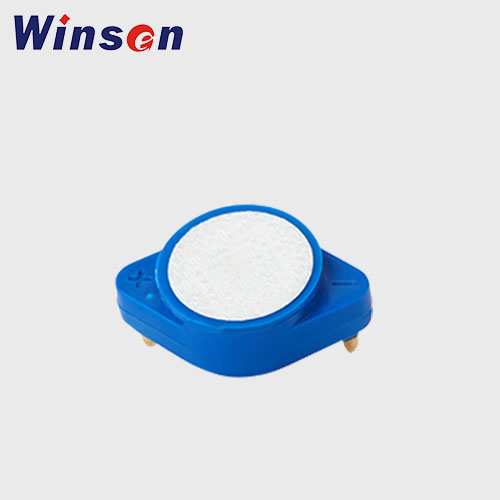
The Winsen HCHO sensor product line includes electrochemical sensor modules and sensor elements such as ZE08B-CH2O, ZE08K-CH2O, ZE510-CH2O, ME3-CH2O, ZE07-CH2O, ZE08-CH2O, ME2-CH2O-16×15 and ME2-CH2O-Ф16, covering different detection ranges and integration needs.
For example, Winsen’s ZE08-CH2O is a miniaturized electrochemical formaldehyde detection module designed to detect CH₂O in air. It integrates mature electrochemical detection principles with circuit design, provides both digital and analog voltage outputs, and includes a built-in temperature sensor for compensation.
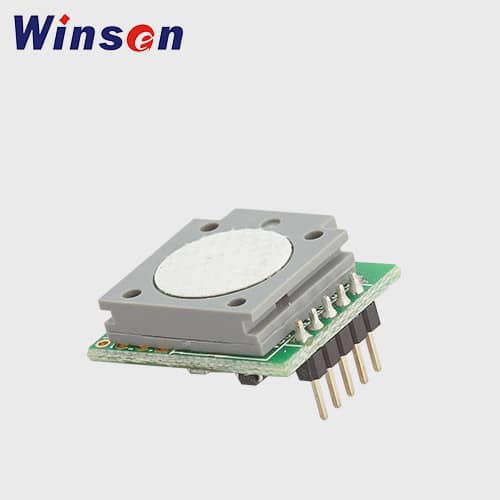
Electrochemical HCHO Formaldehyde Sensor Module ZE08B-CH2O
- CH2O, HCHO, Formaldehyde
- 0~1.6ppm
- Read More
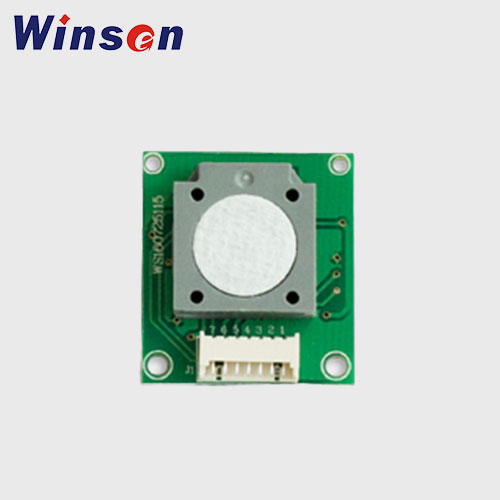
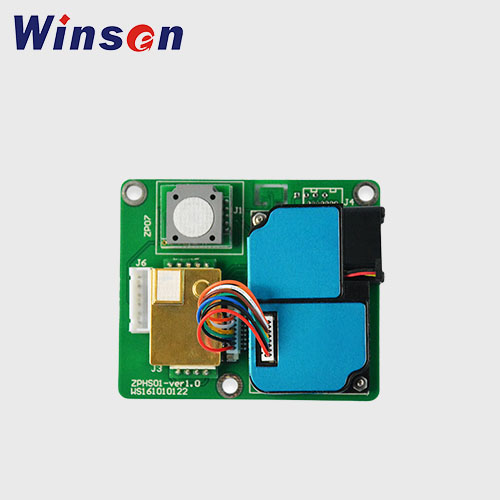
ZPHS01 Multi-in-One Sensor Module (HCHO version)
- CO2, PM2.5, CH2O, VOC, Temperature, Humidity
- CO2: 0-5000ppm; PM2.5: 0-1000μg/m³; CH2O: 0-1.6ppm; VOC: 4 level; Temperature: 0-65℃ (Accuracy±0.5℃); Humidity: 0-100%RH (Accuracy±3%)
- Read More
Typical Applications
Winsen formaldehyde sensors can be used in:
| Application | Sensor Role |
|---|---|
| Portable formaldehyde detectors | Real-time HCHO concentration measurement |
| Indoor air quality monitors | Continuous IAQ data collection |
| Air purifiers | Detect pollution and support automatic purification control |
| Fresh air systems | Monitor indoor HCHO and guide ventilation strategy |
| Smart home devices | Provide environmental data for connected living spaces |
| HVAC and building systems | Support safer indoor air management |
| School, hotel and office monitoring | Help identify potential indoor air quality risks |
Detection Is the First Step of Protection
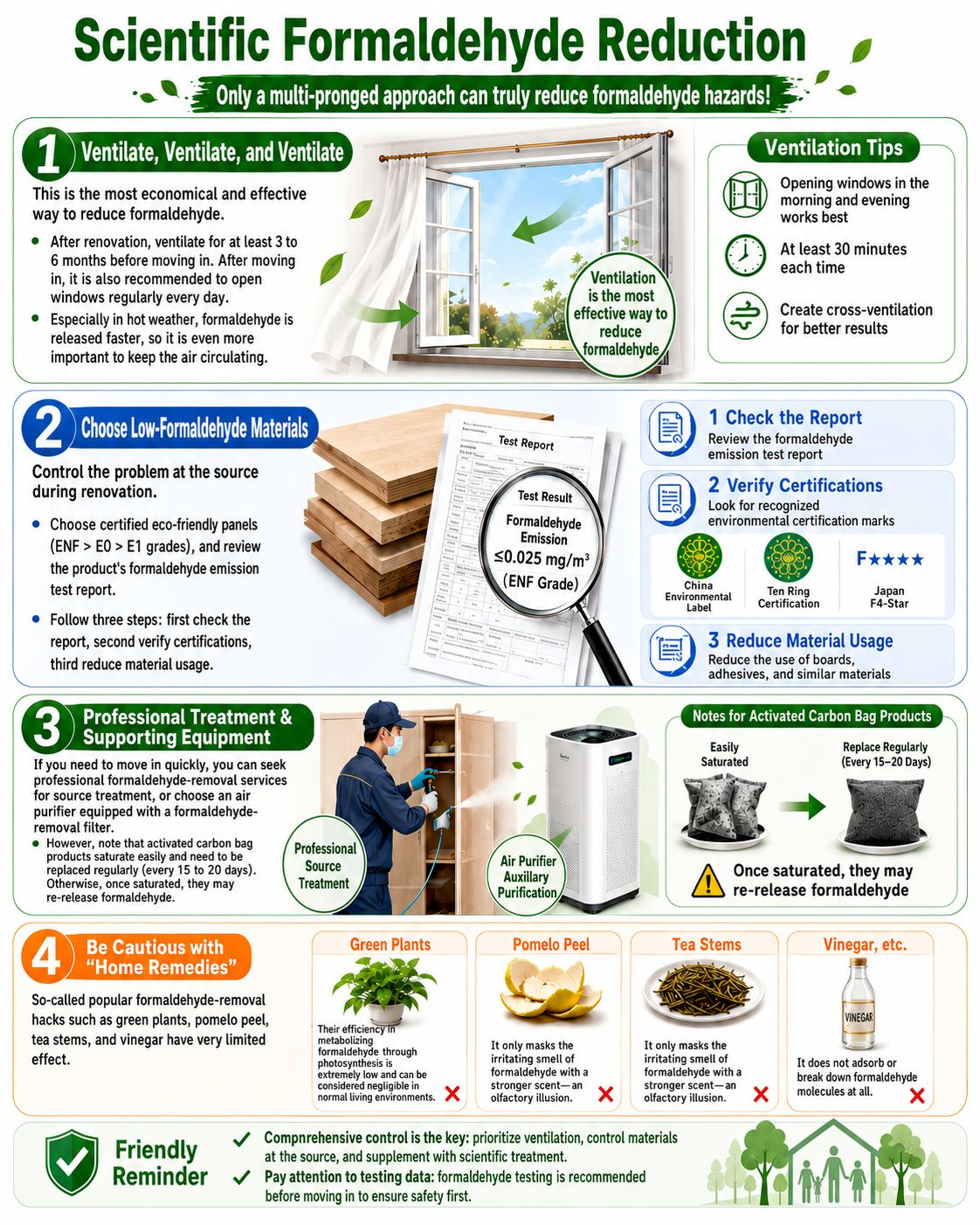
Ventilation, material selection and air purification are all important, but they should not replace scientific detection. Without measurement, people may not know whether a room is safe, whether pollution is decreasing, or whether a purification device is actually working.
A practical indoor formaldehyde control process should include:
- Source control: choose low-emission materials and avoid excessive decoration.
- Ventilation: increase air exchange, especially after renovation.
- Continuous monitoring: use reliable formaldehyde detection devices.
- Targeted purification: apply air purification or fresh air systems when needed.
- Long-term tracking: monitor concentration changes under different temperatures and seasons.
Conclusion
Formaldehyde is invisible, but its impact on indoor air quality is real. New decoration, new furniture and enclosed spaces can all increase exposure risks. For modern homes, offices, schools, hotels and public buildings, formaldehyde management should not rely on smell or guesswork.
Scientific detection is the foundation of indoor air safety.
With electrochemical HCHO sensor technology, indoor air quality devices can help users identify formaldehyde concentration more accurately, respond faster and make better protection decisions. As a professional gas sensing solution provider, Winsen offers formaldehyde sensor products for manufacturers developing reliable indoor air quality monitoring and smart environmental control systems.