Sense Every Pascal: Pressure Sensors Deliver Safety Insights Across Gas Transmission & Distribution Networks
Across China’s national energy map, hundreds of thousands of kilometers of natural gas trunk pipelines operate like a vast “energy highway,” moving clean fuel from western gas fields and coastal LNG receiving terminals to major city clusters. In such high-pressure, long-distance, high-throughput, continuous-operation systems, the most important parameter to “understand the network” is often the simplest one: pressure.
Pressure sensors are not just measurement devices. In real gas T&D operations, they act as:
- Stability guardians (keeping the network within safe operating windows)
- Health diagnostics (revealing leaks, blockage, abnormal flow conditions)
- Efficiency drivers (supporting dispatch optimization and compressor control)
What Is a City Gate Station, and Why Pressure Matters There
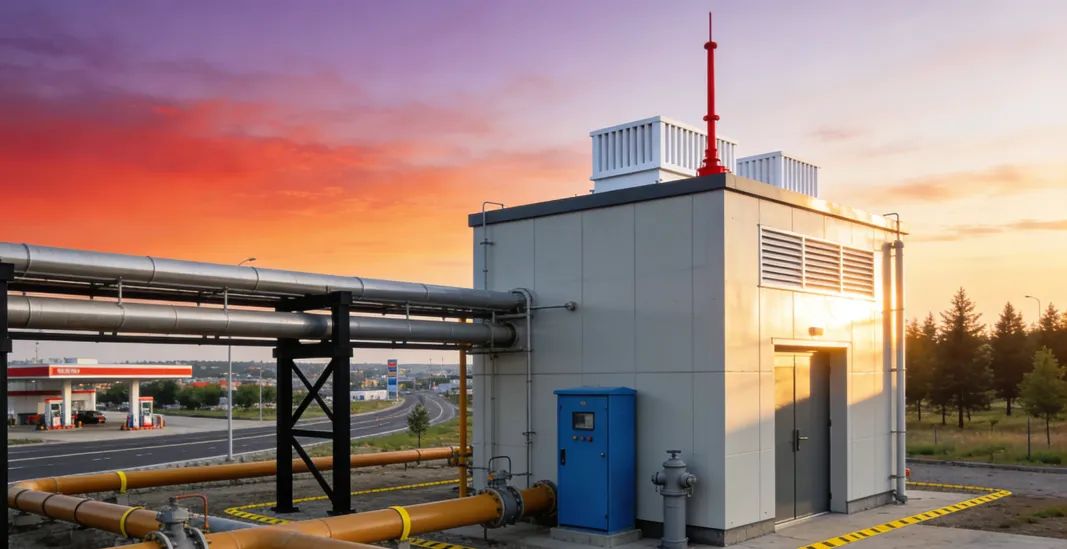
A gas gate station (city gate station) is the receiving station where long-distance transmission gas enters a city or regional distribution system. Typical functions include:
- filtration
- metering
- pressure regulation (pressure reduction and stabilization)
- odorization
At this critical handover point, pressure sensors provide the reference pressure that anchors the downstream network—and help prevent equipment damage and safety incidents caused by pressure excursions.
Core Roles of Pressure Sensors in Gate Stations
1) Pressure regulation and stabilization
Pressure sensors monitor the upstream inlet pressure (often > 0.2 MPa in many city-gate scenarios) and provide feedback to the pressure regulating valve so the outlet pressure remains within a controlled range (commonly around 0.05–0.2 MPa, depending on local network design and regulation strategy).
Why it matters:
- Overpressure can damage regulators, meters, and downstream pipelines
- Underpressure can lead to insufficient supply and unstable combustion at end users
2) Safety shutoff and emergency linkage
At LPG-related sites or stations with tank-based supply, pressure can rise or fall rapidly due to tank conditions, ambient heat, or supply instability. Pressure sensors can trigger:
- automatic shutoff valves
- relief/venting systems
- alarm linkage logic
This prevents gas release, protects equipment, and avoids risks such as “empty suction” in certain pipeline configurations.
3) Flow compensation for metering accuracy
Where flow meters are installed, pressure sensors measure inlet and outlet pressure (or ΔP) to compensate flow readings and improve measurement accuracy—especially important when operational pressure varies.
The Biggest Threat on Long Buried Pipelines: Leaks (and They Look Like Pressure Abnormalities)
For buried pipelines spanning hundreds or thousands of kilometers, leaks are the primary safety risk. Causes include:
- third-party construction damage
- geological hazards
- corrosion and material fatigue
No matter the cause, leaks eventually appear as abnormal pressure behavior—localized pressure drops, unusual gradients, or transient fluctuations.
That’s why pressure sensors become the backbone of:
- real-time pipeline condition monitoring
- leak detection and localization
- flow and transport control
Pressure Sensors in the Transmission Network: Monitoring, Leak Detection, and Flow Control
1) Network operating monitoring
Sensors continuously monitor trunk line pressure (often in the 0.1–0.5 MPa band in many distribution contexts; actual values vary by network class and design). When the system detects abnormal behavior—such as excessive pressure drop or unexpected oscillations—it can trigger:
- alarms
- automatic shutdown logic
- valve linkage to isolate sections
This reduces incident scale and response time.
2) Leak detection using multi-point sensor arrays
A single sensor can tell you something is wrong. A networked array of sensors helps you determine where it is wrong.
By comparing pressure patterns across multiple nodes, the system can detect:
- localized abnormal drops
- pressure wave propagation characteristics
- abnormal gradients across segments
This supports faster leak localization and faster isolation actions.
3) Flow-meter calibration and ΔP measurement
At stations equipped with volumetric or mass flow meters, differential pressure (ΔP) across certain components can support:
- flow calculation and correction
- meter validation and calibration checks
- detection of filter blockage or abnormal flow resistance
Pressure Data Is Also the “Commander” of Efficient Pipeline Operation
Safety is the baseline. Efficiency is the multiplier.
Long-distance pipelines behave according to complex fluid dynamics. By feeding real-time pressure, flow, and temperature data into operational models, dispatch centers can build a real-time hydraulic simulation that stays synchronized with the physical pipeline—often referred to as a digital twin.
A well-built digital twin can:
- visualize pressure distribution across the full line
- forecast how pressure will change under different dispatch strategies
- support decisions for peak demand periods
Peak demand forecasting: proactive control
When downstream demand is expected to rise, the dispatch system can pre-plan:
- increased output from upstream compressor stations
- adjustments at regulating stations
- storage injection/withdrawal scheduling
The goal: keep pressure within a safe and efficient zone—avoiding both “pressure energy waste” and pressure shortage.
Compressor stations: pressure is the key control parameter
Compressor stations are the “heart” of long-distance transmission. Inlet and outlet pressure signals are essential for:
- start/stop decisions
- speed control
- efficiency optimization
- surge avoidance strategies (system-dependent)
Industry experience often shows that intelligent monitoring and control can improve overall operating efficiency by several percent (for example, a commonly cited range is roughly 3%–8%, depending on network characteristics, control maturity, and equipment condition).
Where to Install Pressure Sensors in Gas T&D Networks
A practical deployment strategy typically includes:
- City gate stations: inlet/outlet of regulation, metering sections
- Regulator stations / district stations: upstream and downstream pressure for stable outlet control
- Block valve stations: segment isolation + pressure trend tracking
- Key nodes along long pipelines: pressure gradient monitoring and leak localization
- Compressor stations: suction/discharge pressure + inter-stage monitoring (where applicable)
- Metering stations: inlet/outlet pressure and ΔP reference points
Pressure Sensor Selection Checklist for Natural Gas Applications
Pressure sensors are not “one size fits all.” For gas T&D, selection should consider:
1) Pressure type
- Gauge pressure (relative): common in many pipeline monitoring points
- Absolute pressure: useful where reference stability matters or altitude/weather effects are relevant
- Differential pressure (ΔP): flow compensation, filter blockage monitoring, and specific measurement designs
2) Range and overload
Choose a range that covers:
- normal operating window
- transient peaks
- safety margin (avoid constant near-full-scale operation)
3) Accuracy and long-term stability
For leak detection and dispatch modeling, stability and repeatability can be as important as headline accuracy.
4) Media compatibility and sealing
Natural gas environments may include:
- humidity variation
- trace contaminants
- odorant exposure (depending on location)
Ensure proper wetted materials and robust sealing.
5) Environment and installation constraints
- temperature range
- vibration
- EMC/EMI conditions
- ingress protection requirements
- hazardous-area requirements (your local compliance rules)
Recommended Solution Direction: Pressure Sensors and Transmitters for High-Pressure T&D
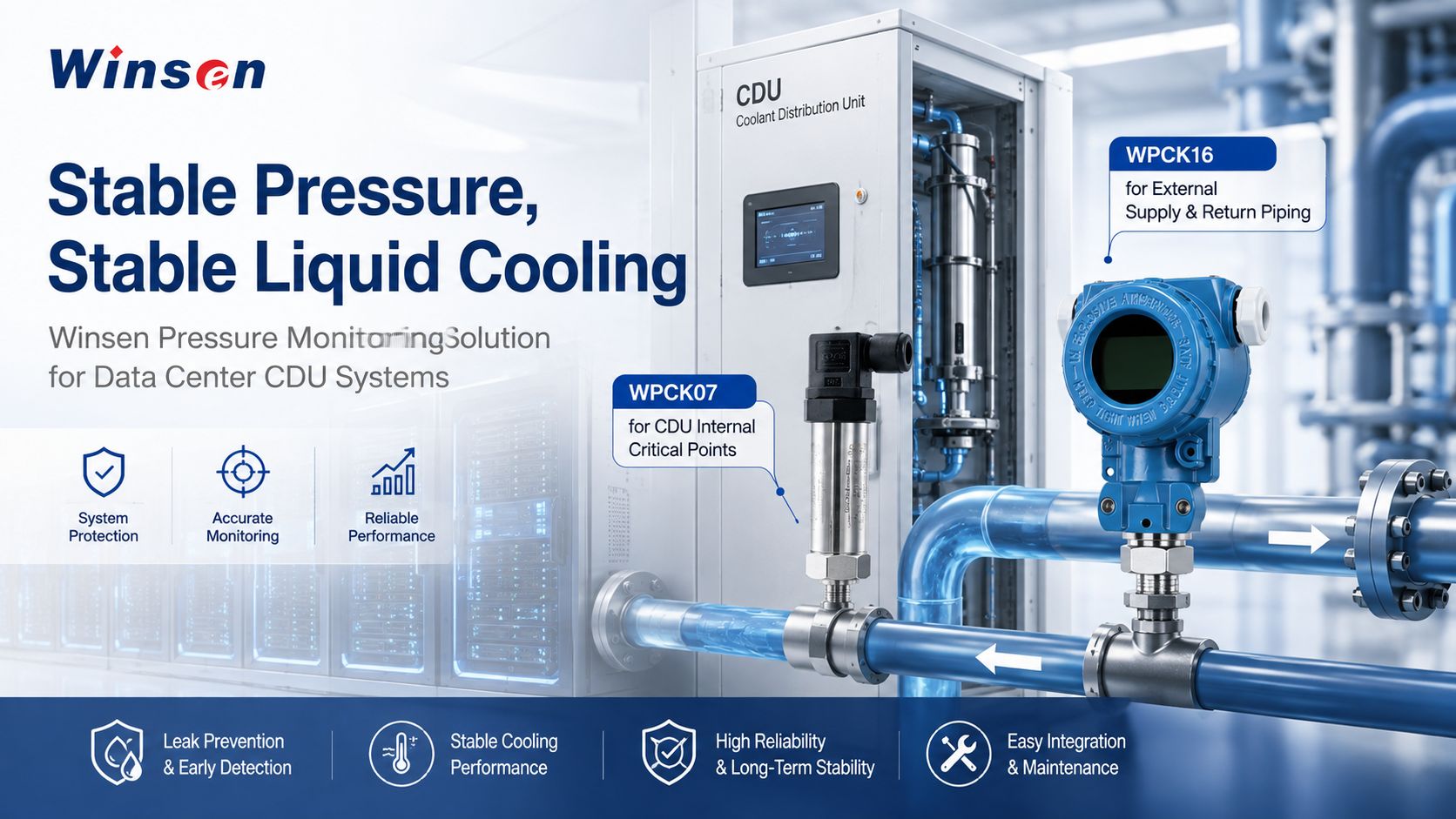
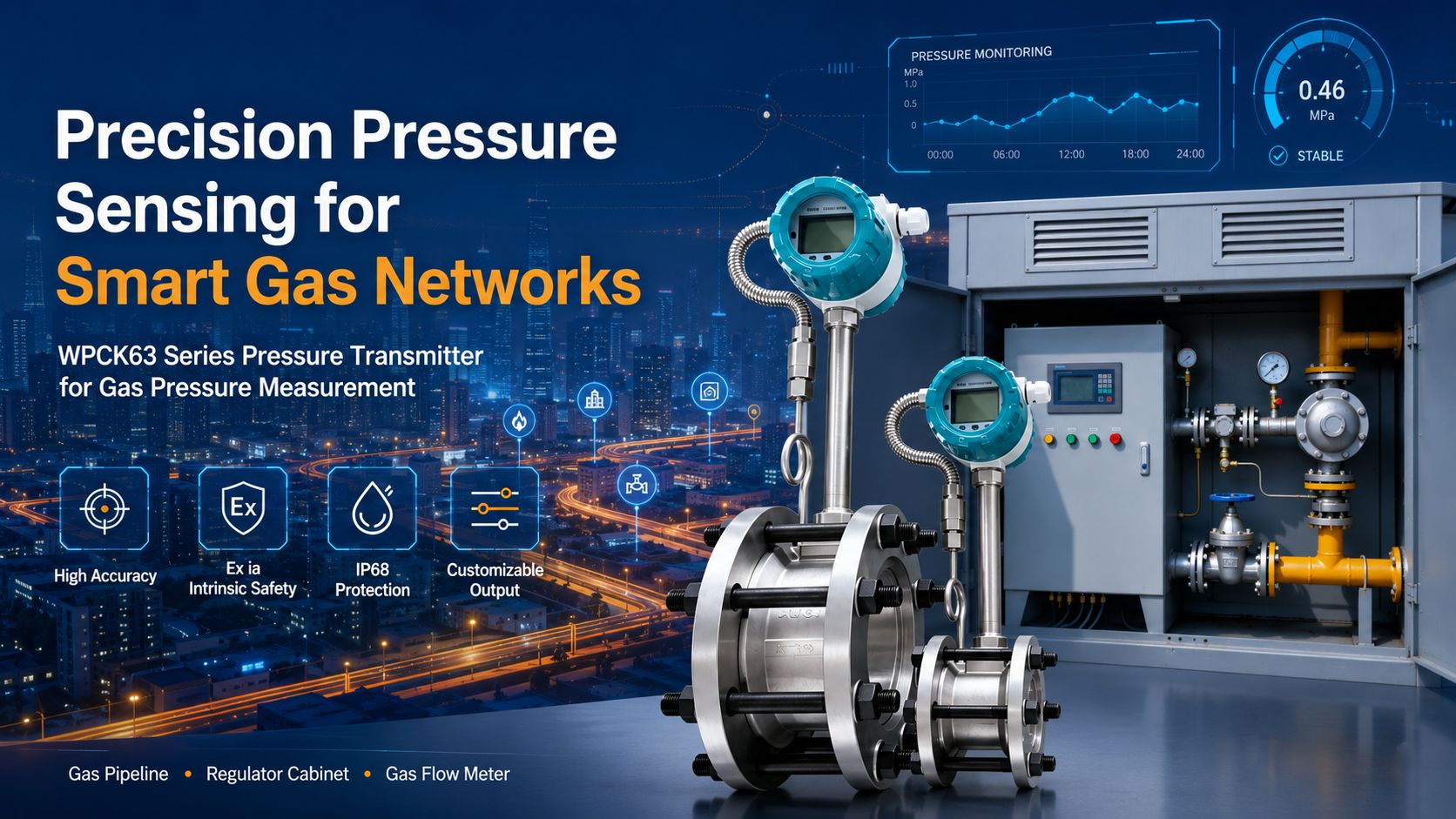
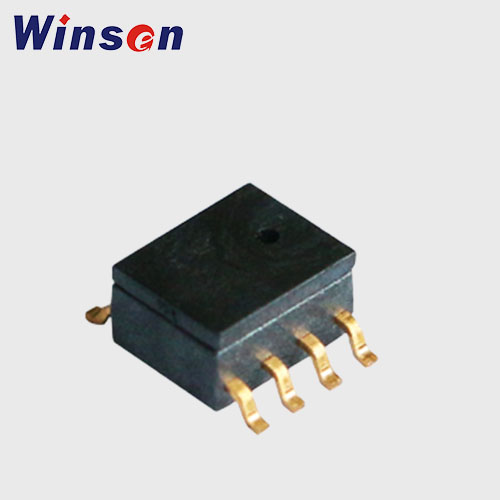
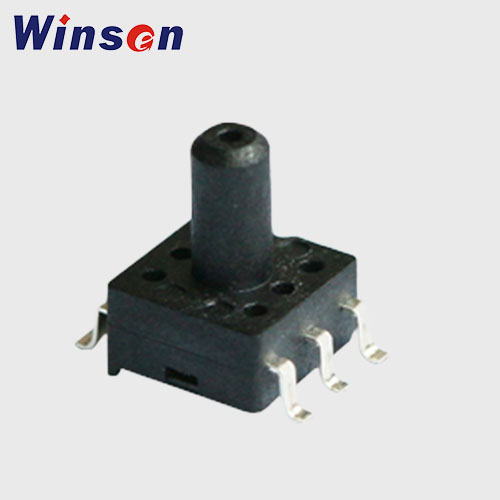
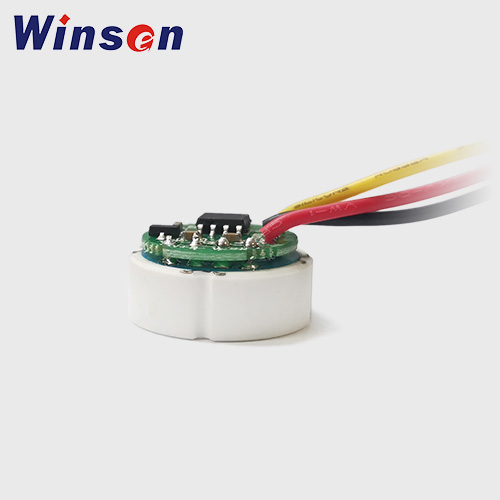
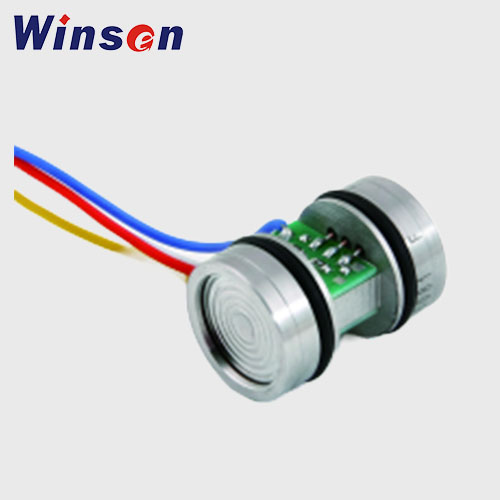
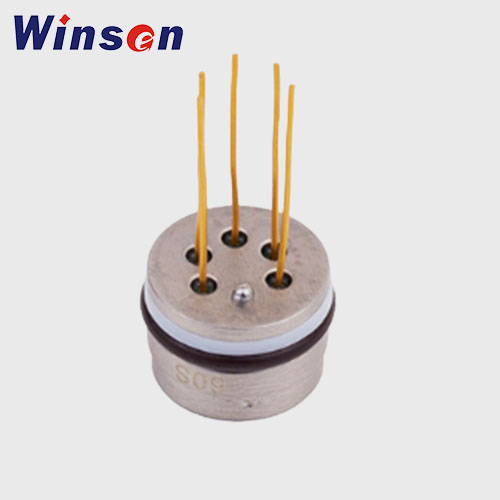
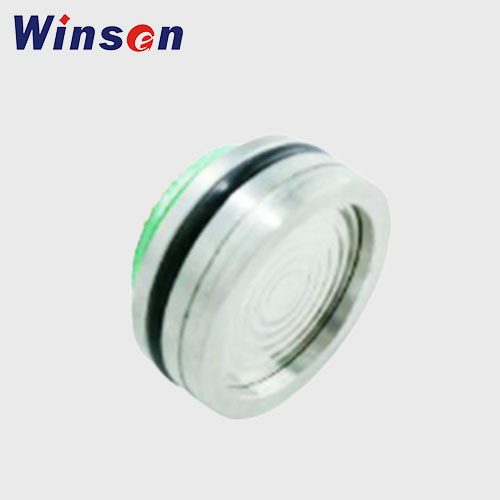
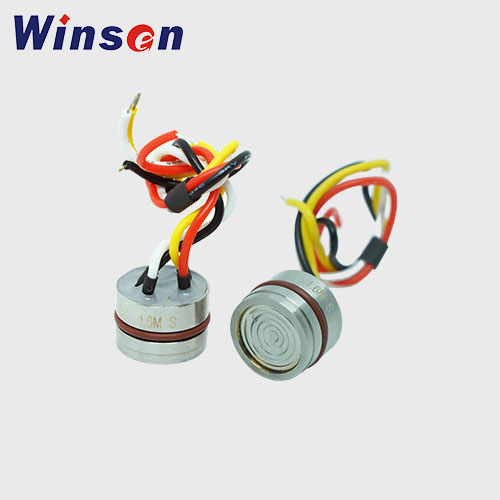
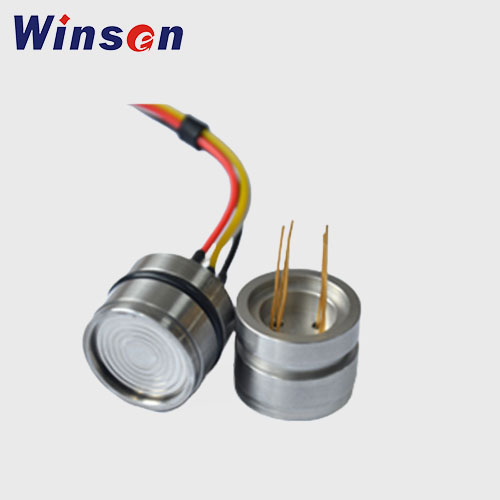
For high-pressure transmission and distribution monitoring, Winsen can provide pressure sensors and pressure transmitters featuring:
- multiple ranges for different network pressure levels
- good stability for long-term operation
- integration-friendly connections
- customization support for specific installation and signal requirements
If you are building a pressure monitoring network for gas pipelines, the best results usually come from combining:
- the right sensor type (gauge/absolute/ΔP)
- correct range selection
- good installation practice (sampling points, impulse line design if needed, sealing)
- a clear data strategy (SCADA + alarm logic + analytics/digital twin)
Winsen Pressure Sensors Solutions: https://www.winsen-sensor.com/selection-guide/winsen-pressure-sensors-solutions.html
FAQ
What is the biggest value of pressure sensors in gas pipelines?
They provide continuous insight into operating state, enable early leak detection, and support safe regulation and efficient dispatch.
How do pressure sensors help with leak detection?
Leaks create abnormal pressure drops and gradients. A network of sensors allows comparison across nodes, improving localization and speeding isolation actions.
Why is differential pressure (ΔP) useful at metering stations?
ΔP helps compensate flow measurement and can indicate abnormal resistance (e.g., blockage), improving accuracy and maintenance decisions.
Where are pressure sensors most critical?
City gate stations (handover and regulation), long trunk segments (health monitoring), and compressor stations (efficiency control).
What should I prioritize in sensor selection?
Pressure type, range, stability, sealing/media compatibility, and environmental/hazard requirements for your specific station class.
Need pressure sensors for gas gate stations, trunk line monitoring, or compressor station control?
Contact Winsen for a matching pressure sensor/transmitter recommendation based on your pressure level, required accuracy, output interface, and installation environment. We can support customization for station-level integration and long-term stable operation.