Invisible Risks Require Precise Sensing: Electrochemical Gas Sensors for Industrial Safety
Hazardous gases are often invisible, difficult to notice and capable of spreading rapidly.
Across chemical processing, energy, power generation, metallurgy, environmental protection, municipal infrastructure and mining, industrial personnel may encounter a wide variety of toxic, combustible or oxygen-deficient environments.
Hydrogen sulfide may accumulate around chemical equipment and wastewater facilities. Carbon monoxide can be generated during combustion and metallurgical processes. Ammonia leakage may occur in refrigeration and chemical installations. Underground utility spaces, tanks and other confined areas may also develop oxygen-deficient conditions.
Once these risks appear, relying only on human inspection may not provide sufficient coverage or response time.
Continuous gas monitoring allows the safety system to detect concentration changes in real time and issue warnings before conditions reach a dangerous level. It can also provide the data required for ventilation, equipment shutdown, remote notification, evacuation and emergency response.
For this reason, high-performance gas sensors have become core sensing components in:
- fixed gas detection systems;
- portable gas detectors;
- personal safety monitors;
- confined-space instruments;
- multi-gas detection equipment;
- industrial IoT monitoring terminals;
- plant-wide safety-management platforms.
Industrial safety is moving from reacting after an incident toward identifying risks at an earlier stage.
Why Electrochemical Sensors Are Widely Used for Toxic Gas Detection
Different gas-detection principles are suitable for different targets and applications.
For toxic gases such as CO, H₂S, NH₃, SO₂, Cl₂ and NO₂, electrochemical sensing has become one of the most established and widely adopted technologies.
The operating principle is based on a controlled electrochemical reaction.
When the target gas enters the sensor through the gas-permeable membrane, it reaches the working electrode and participates in a specific oxidation or reduction reaction. This reaction generates an electrical current related to the gas concentration.
The signal is then amplified, compensated and converted into a concentration value by the detector electronics.
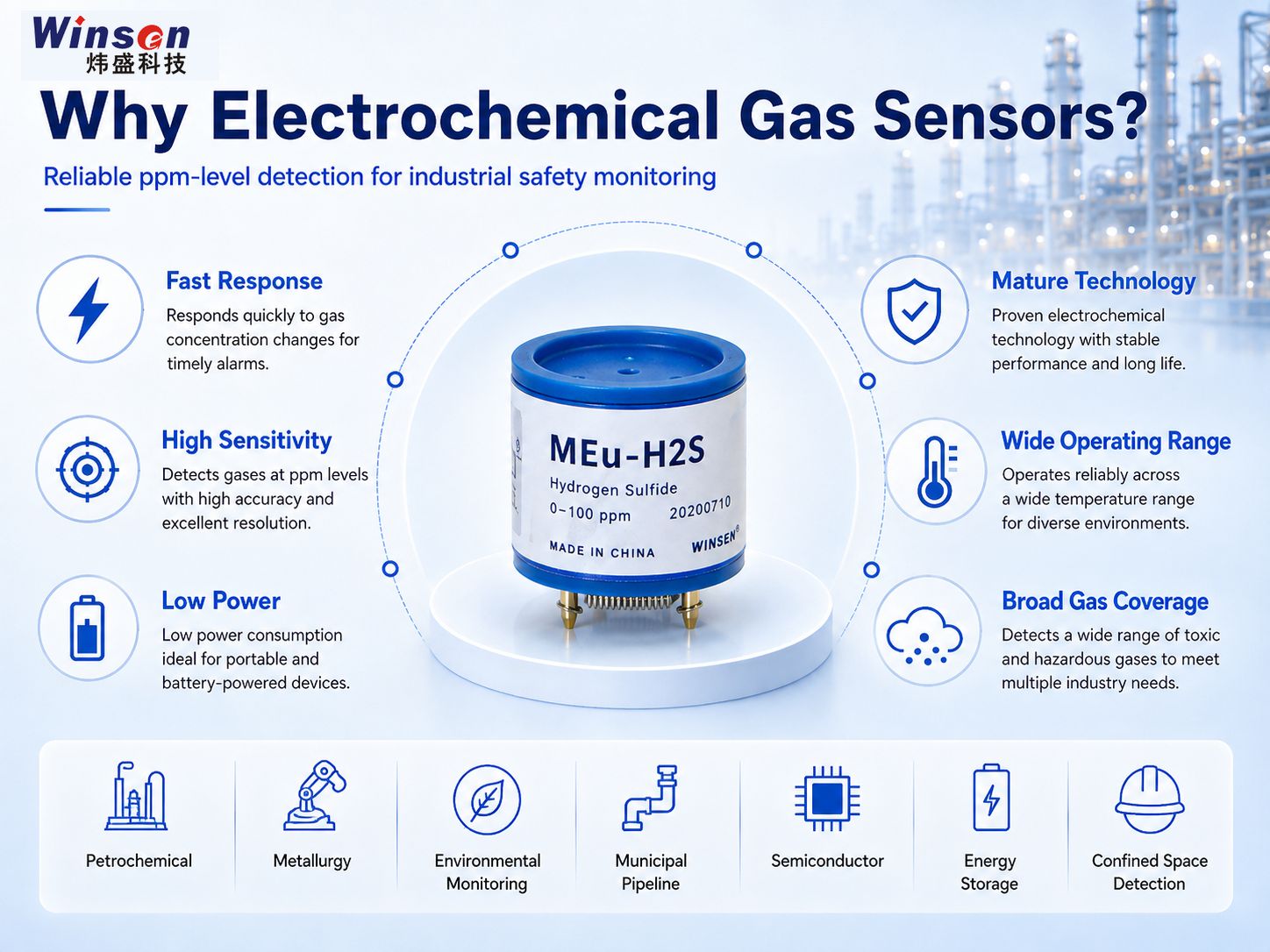
This direct measurement principle offers several advantages for industrial toxic-gas monitoring:
- high sensitivity at ppm-level concentrations;
- relatively fast response;
- good output linearity;
- low power consumption;
- compact sensor structure;
- suitability for continuous monitoring;
- convenient integration into fixed and portable equipment.
These characteristics enable electrochemical sensors to detect small concentration changes and provide the early-warning data required by industrial safety systems.
Common Industrial Gases Detected by Electrochemical Sensors
Carbon Monoxide
Carbon monoxide may be generated by incomplete combustion, furnaces, boilers, engines, metallurgical processes and enclosed-space operations.
Because CO is colorless and odorless, instrument-based detection is essential.
Typical applications include:
- steel and metallurgical plants;
- boiler rooms;
- underground garages;
- generator rooms;
- tunnels;
- confined spaces;
- portable personal monitors.
Hydrogen Sulfide
Hydrogen sulfide is frequently associated with petrochemical production, wastewater treatment, sewers, pulp and paper processes, mining and confined spaces.
Even relatively low concentrations require careful monitoring.
H₂S sensors can be integrated into:
- wastewater-treatment monitors;
- portable confined-space detectors;
- fixed industrial alarms;
- pipeline and process-area monitoring systems;
- municipal utility safety equipment.
Ammonia
Ammonia is used in industrial refrigeration, fertilizer production, chemical processing and agricultural applications.
An ammonia sensor can help detect leakage around:
- cold-storage facilities;
- refrigeration plants;
- fertilizer-production equipment;
- chemical-processing areas;
- livestock and agricultural facilities.
Sulfur Dioxide
Sulfur dioxide may occur in combustion processes, smelting, chemical production and environmental monitoring.
SO₂ sensors support:
- industrial emission monitoring;
- process leakage detection;
- environmental monitoring;
- personal protection equipment;
- fixed toxic-gas alarms.
Chlorine
Chlorine is widely used in water treatment, disinfection, chemical manufacturing and industrial processing.
Cl₂ monitoring is particularly important around:
- water-treatment plants;
- chemical storage areas;
- disinfection equipment;
- chlorine dosing systems;
- municipal facilities.
Nitrogen Dioxide
Nitrogen dioxide may be generated by combustion equipment, engines, welding processes and industrial emissions.
Typical applications include:
- tunnel and parking ventilation;
- industrial emission monitoring;
- combustion-process monitoring;
- portable toxic-gas detectors;
- occupational safety equipment.
Oxygen
Oxygen sensing is used to identify oxygen-deficient or oxygen-enriched conditions.
It is especially important in:
- tanks;
- wells;
- underground spaces;
- process vessels;
- mines;
- wastewater facilities;
- other confined working environments.
Industrial Gas Detection Places Higher Demands on Sensor Performance
Industrial gas detection is not simply a matter of measuring concentration.
Real operating environments may include:
- rapid temperature changes;
- high humidity or condensation;
- dust;
- vibration;
- multiple gases present at the same time;
- corrosive atmospheres;
- long periods of continuous operation;
- low occupational exposure limits;
- remote or difficult-to-maintain installation points.
For a complete gas detector, sensor performance directly affects:
- alarm accuracy;
- false-alarm probability;
- missed-alarm risk;
- calibration interval;
- battery runtime;
- maintenance requirements;
- long-term data reliability.
A high initial sensitivity is not sufficient by itself. The sensor must also maintain stable performance throughout its intended service period.
Key evaluation factors include:
| Sensor Requirement | Importance to the Finished Detector |
|---|---|
| Sensitivity | Detects low-concentration gas changes |
| Selectivity | Reduces response to non-target gases |
| Response time | Provides earlier warning |
| Repeatability | Maintains consistent readings |
| Long-term stability | Reduces drift and maintenance burden |
| Environmental adaptability | Supports changing temperature and humidity |
| Batch consistency | Simplifies mass-production calibration |
| Power consumption | Supports portable and wearable equipment |
| Mechanical size | Enables compact detector designs |
Winsen Electrochemical Gas Sensor Portfolio
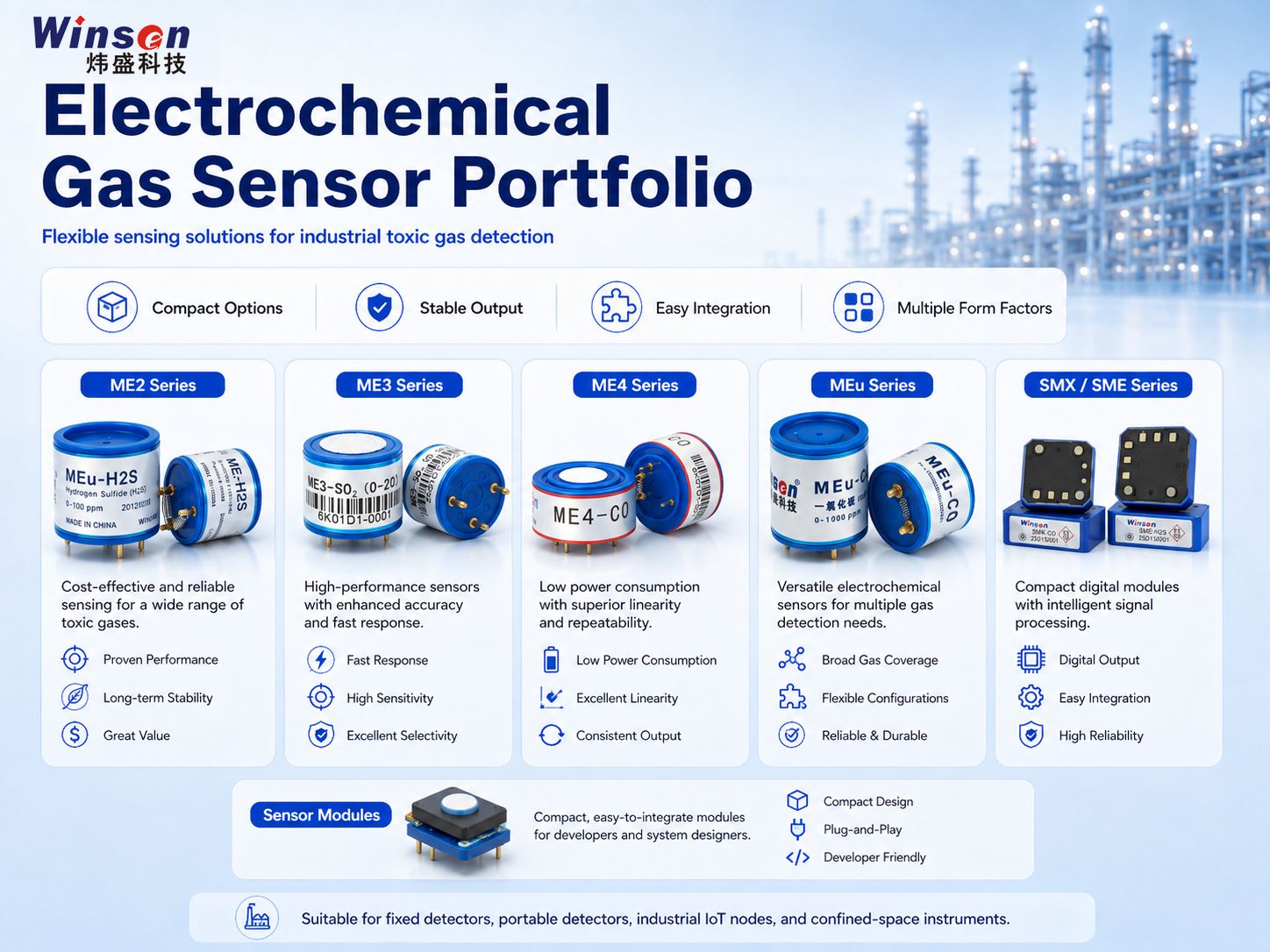
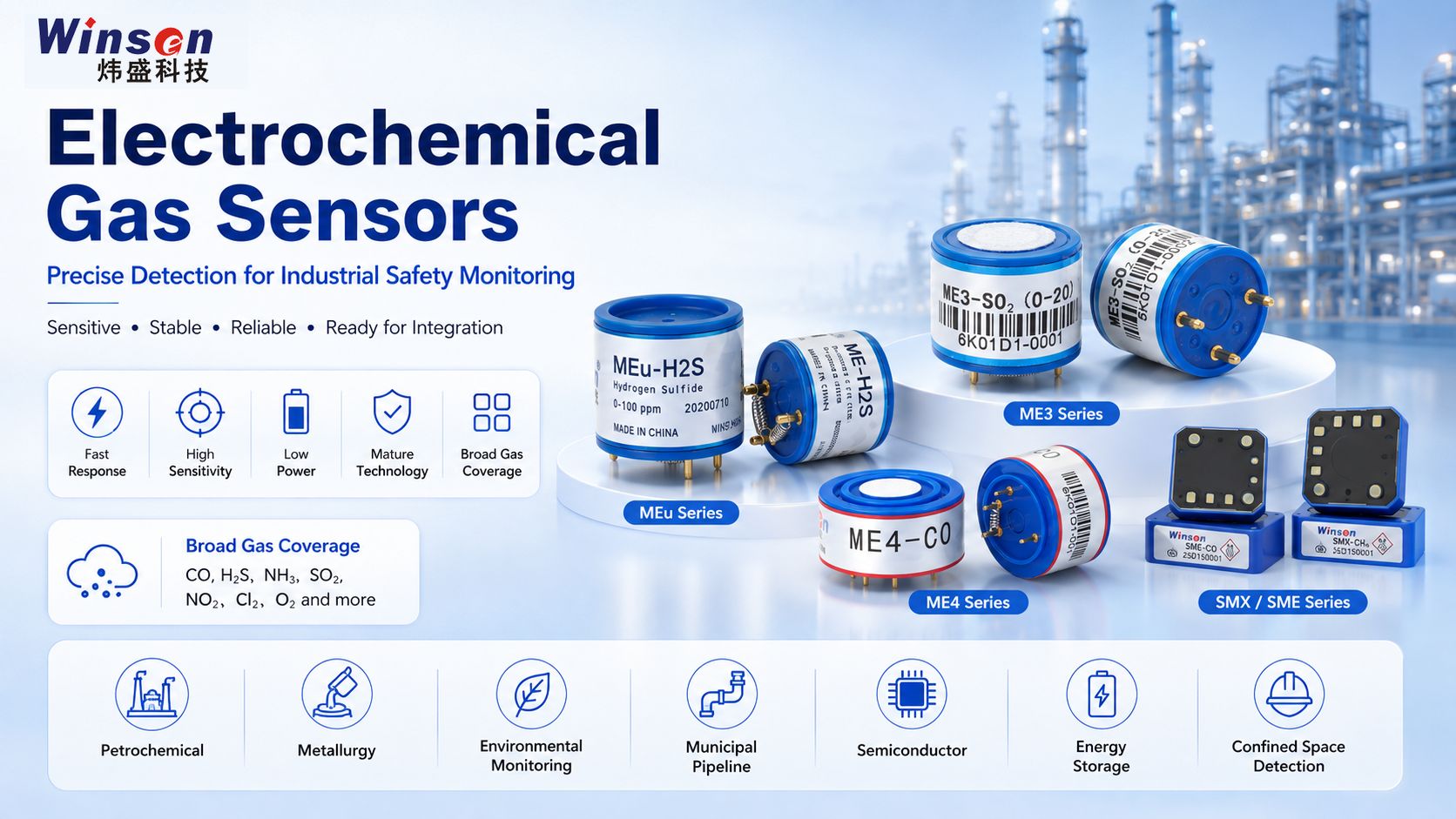
We have developed multiple electrochemical gas sensor platforms for different industrial equipment structures and performance requirements.
Our portfolio includes:
- ME2 series;
- ME3 series;
- ME4 series;
- MEu series;
- SMX miniature intelligent industrial gas sensor series;
- electrochemical gas sensor modules;
- multi-gas detection modules.
The available products cover many commonly monitored industrial gases, including:
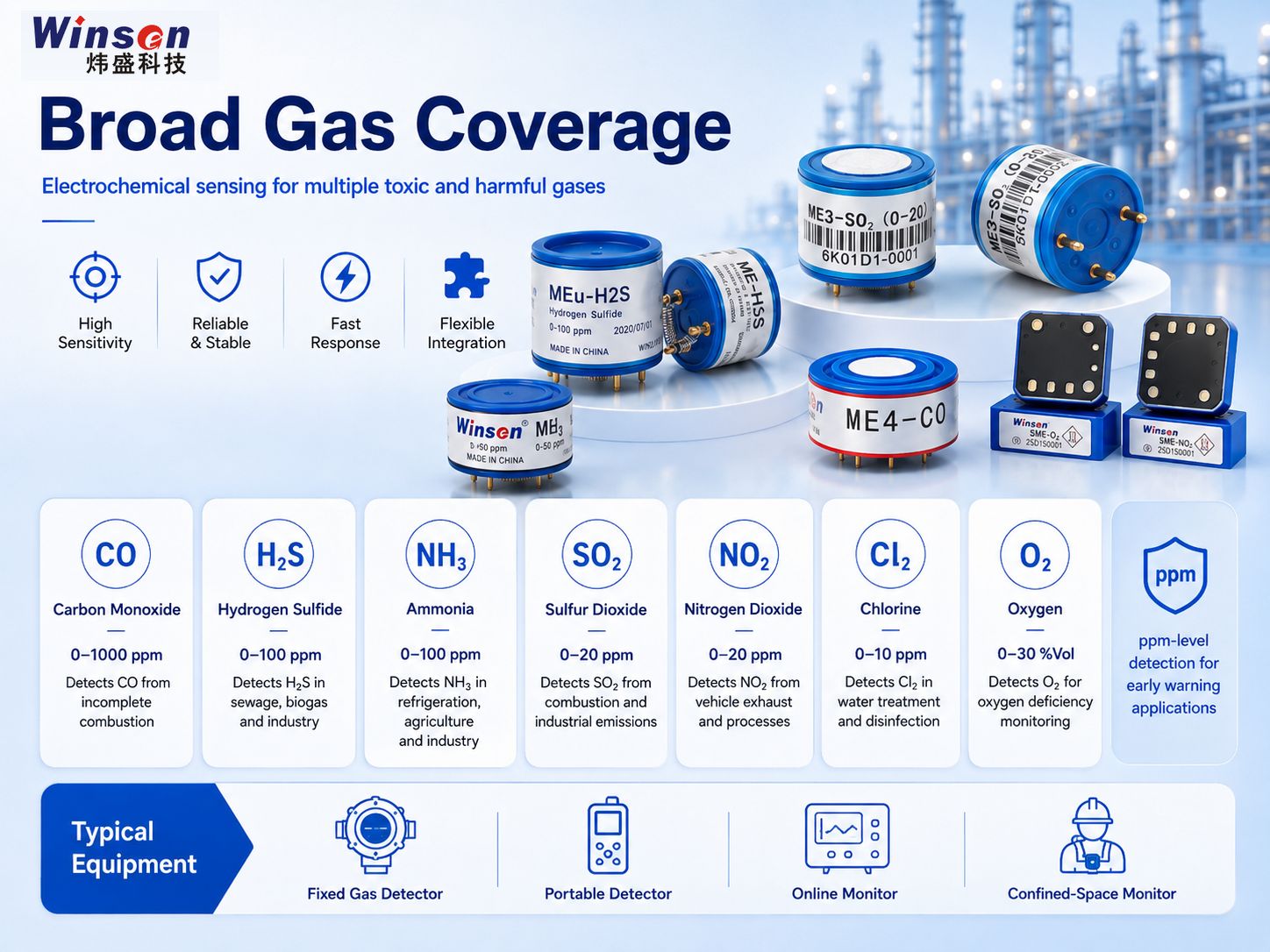
- CO;
- H₂S;
- NH₃;
- SO₂;
- NO₂;
- Cl₂;
- O₂;
- H₂;
- PH₃;
- HCl;
- HF;
- O₃ and other target gases.
This product structure allows equipment manufacturers to select a sensing element or integrated module according to the required size, output, intelligence level and development capability.
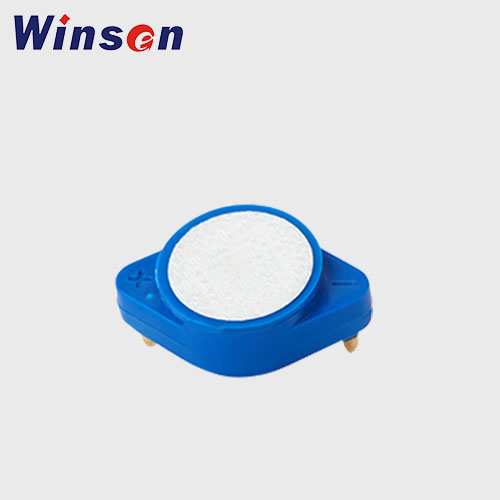
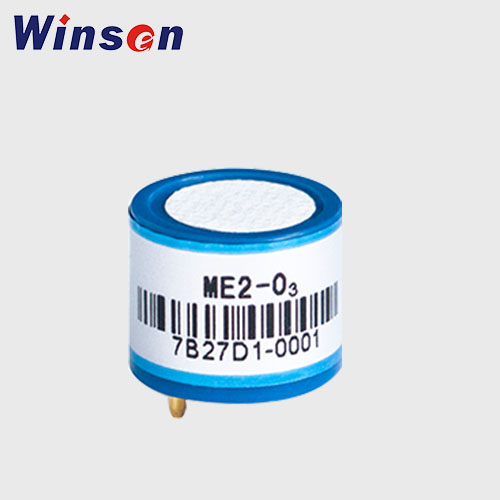
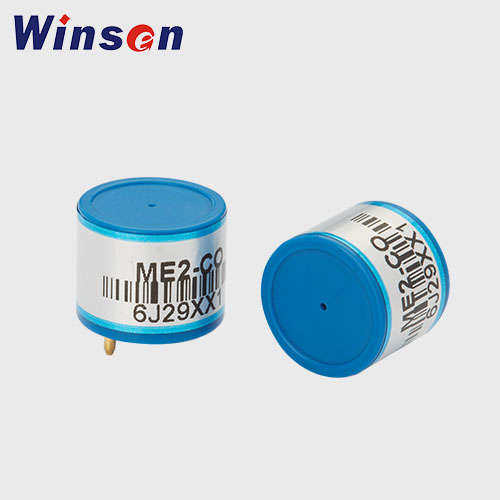
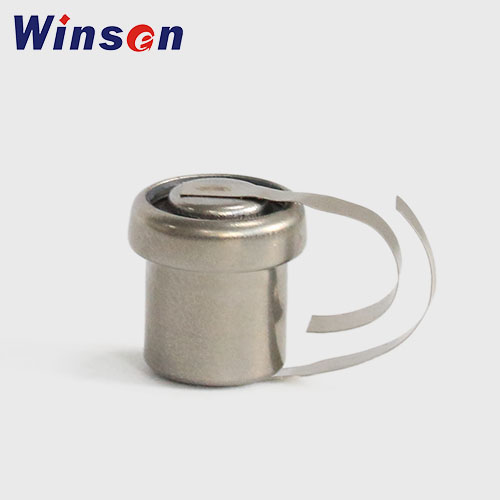
ME2 Series
The ME2 series provides compact electrochemical sensing options for applications where installation space is limited.
It can support products such as:
- household and commercial alarms;
- portable instruments;
- compact monitoring terminals;
- embedded safety devices.
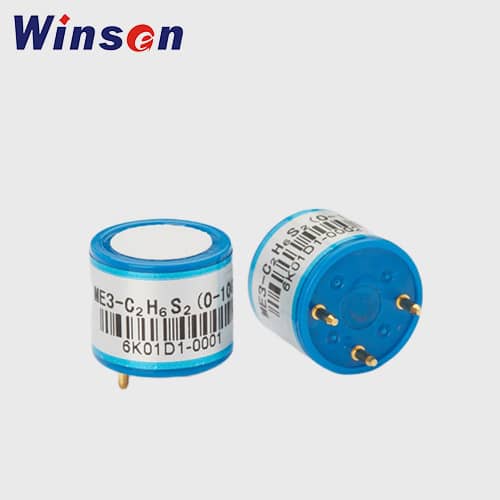
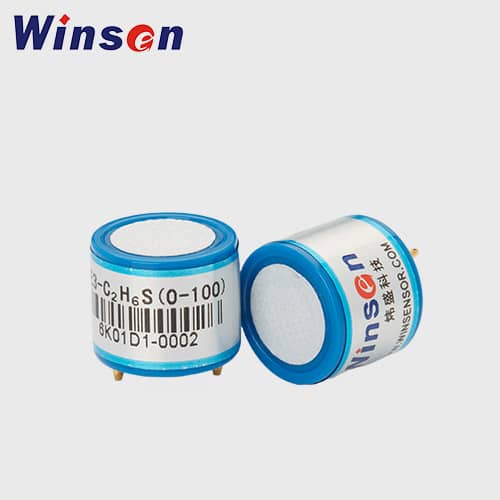
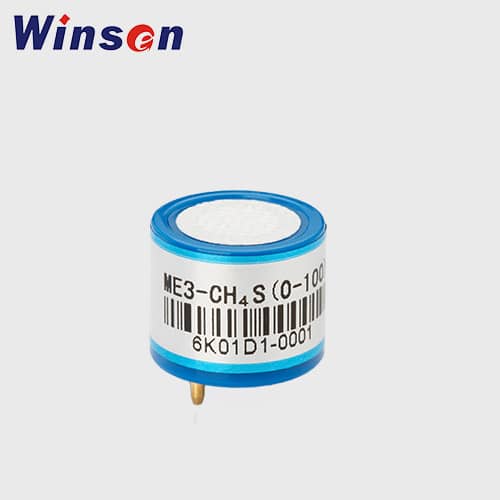
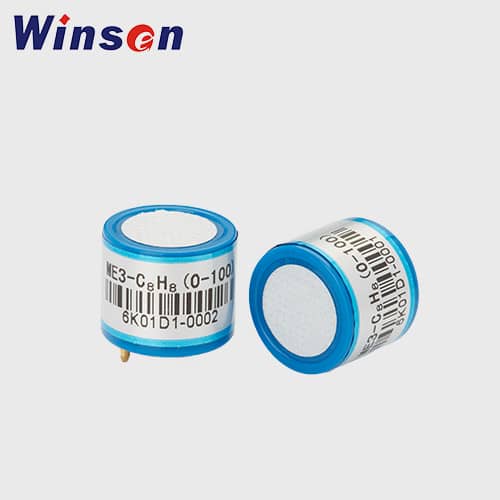
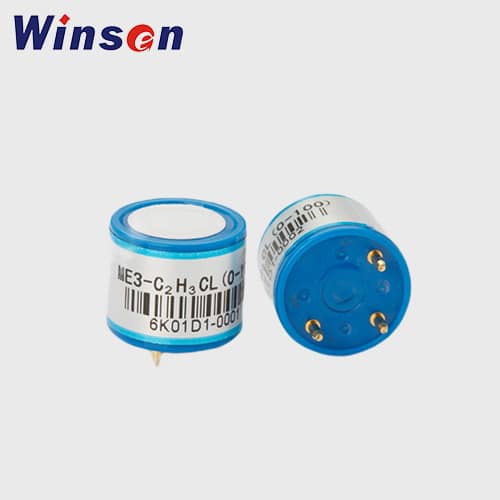
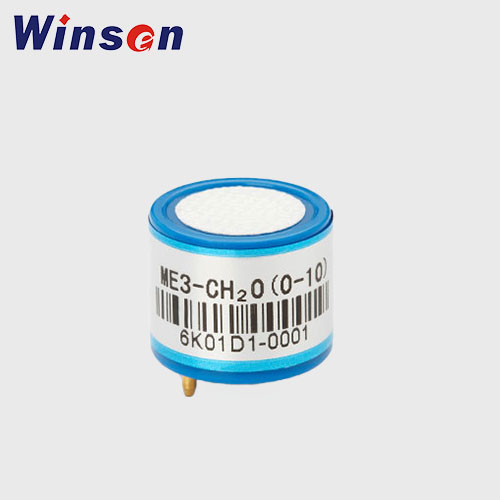
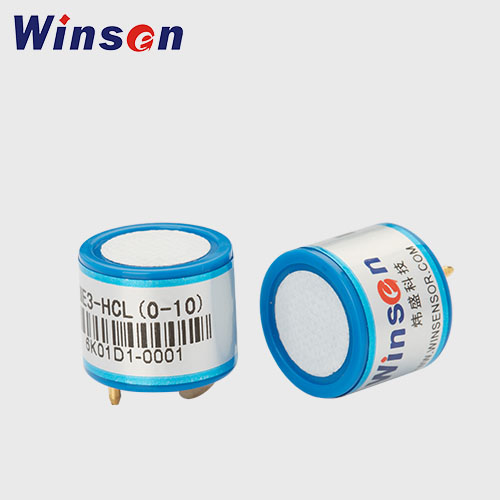
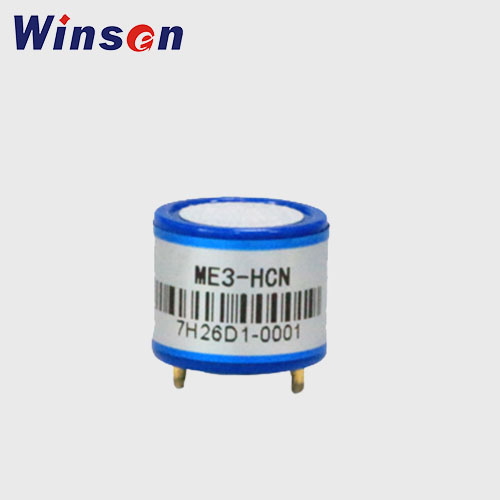
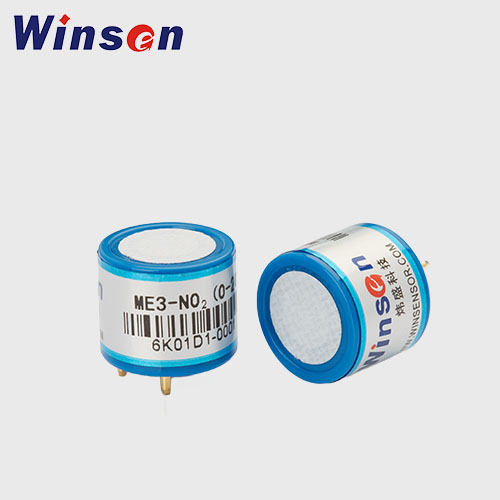
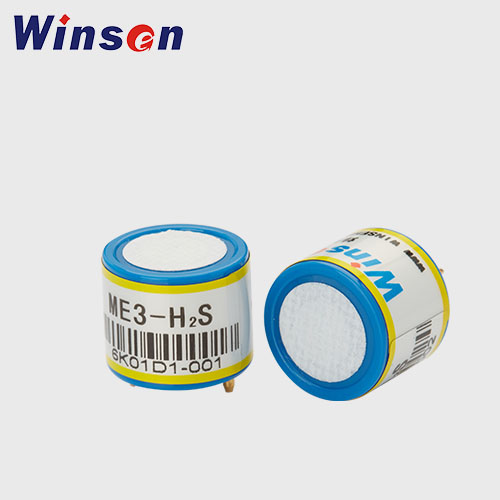
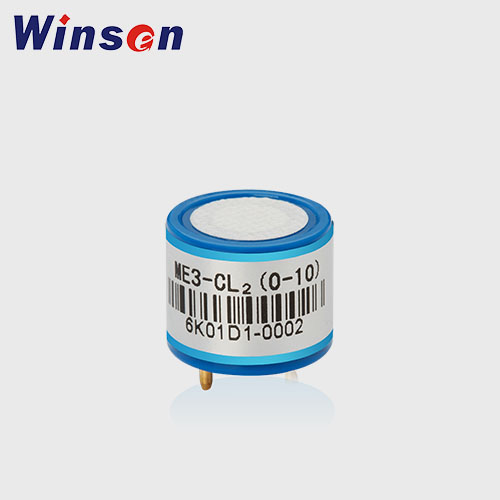
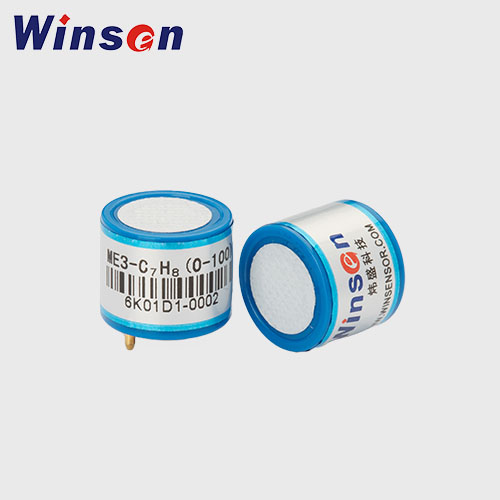
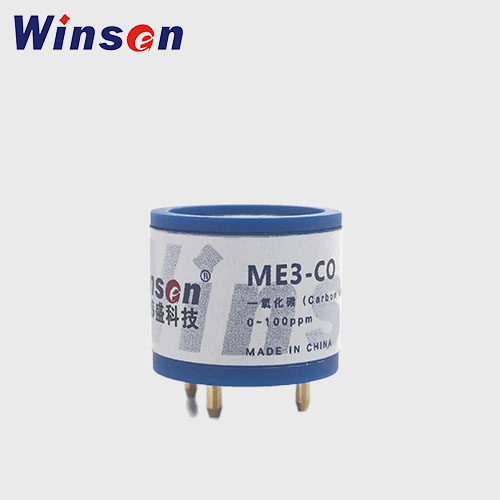
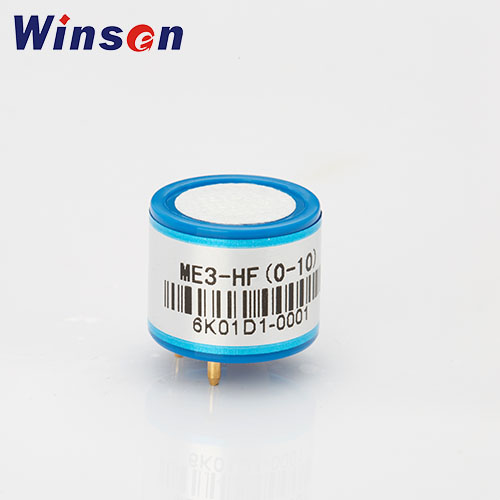
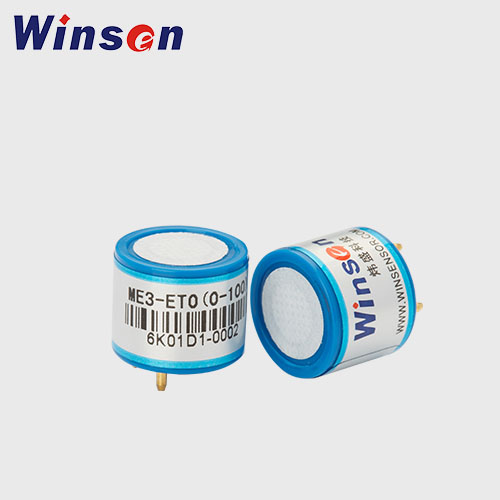
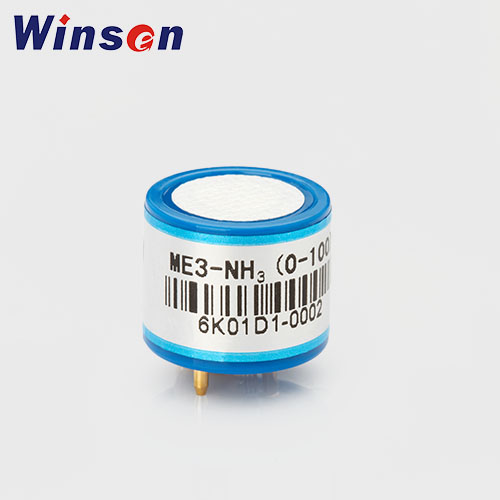
ME3 Series
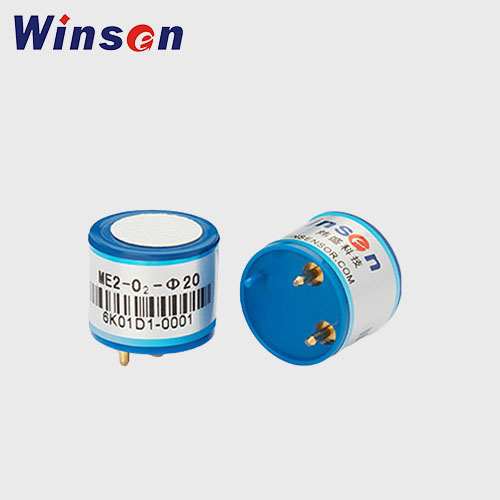
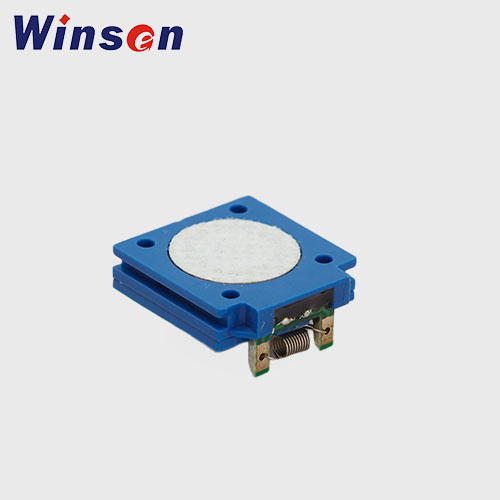
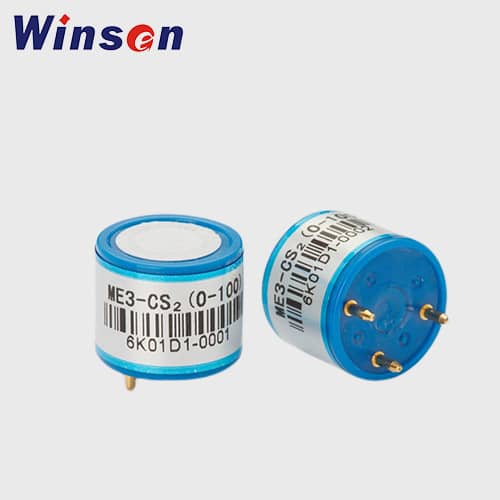
The ME3 series is designed for a broad range of toxic-gas detection applications and is suitable for many conventional fixed and portable detector platforms.
Its product formats support different gases and measurement requirements, making it a flexible option for industrial equipment development.
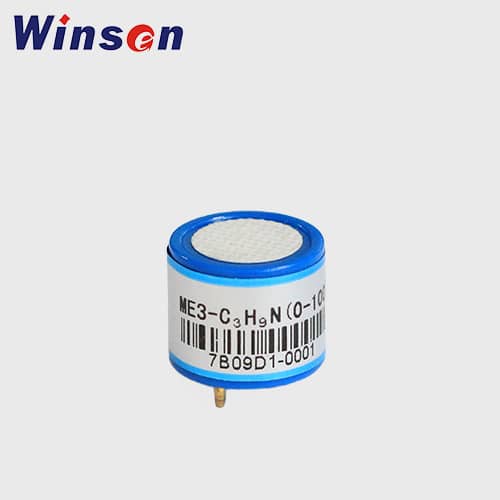
ME4 Series
The ME4 series is widely used in industrial toxic-gas detection equipment.
Its standard industrial structure is suitable for applications requiring reliable long-term gas monitoring, including:
- fixed transmitters;
- portable gas detectors;
- environmental monitoring equipment;
- industrial safety terminals.
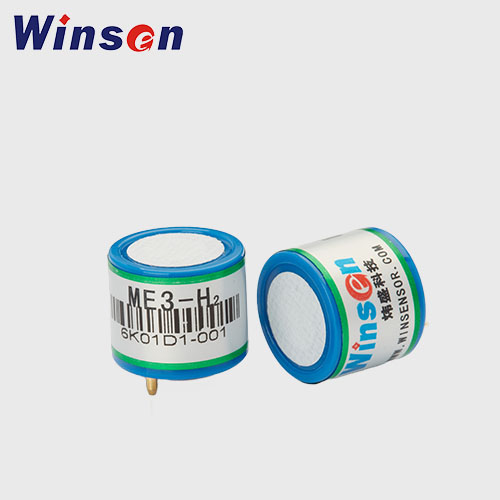
MEu Series
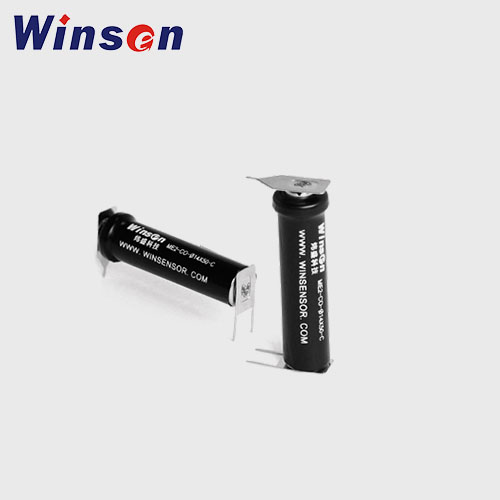
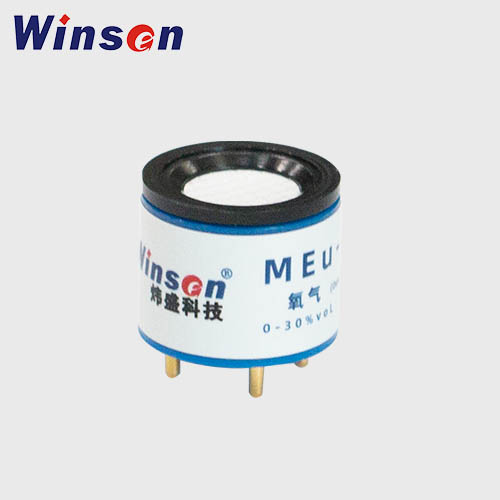
The MEu series provides a more compact structure while retaining the performance required for professional gas detection.
It supports the continuing miniaturization of:
- handheld instruments;
- wearable monitors;
- multi-gas detectors;
- compact industrial terminals.
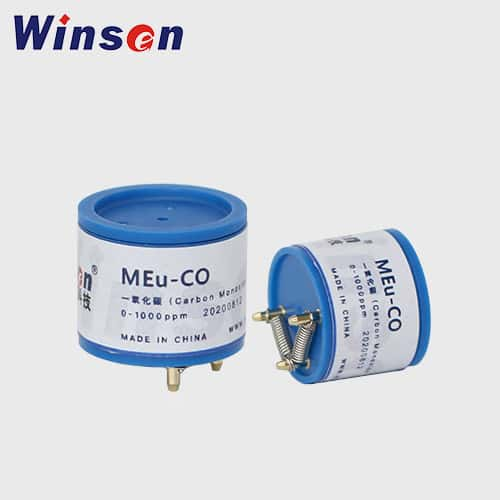
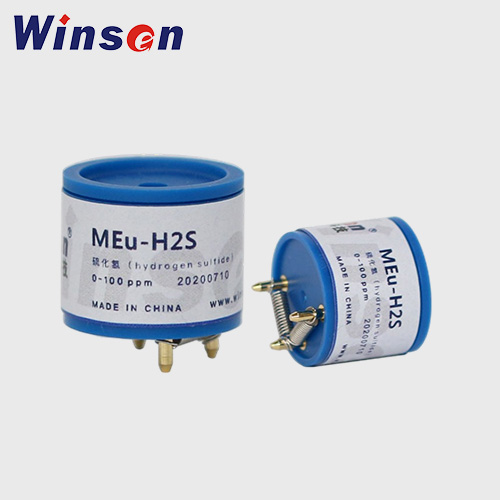
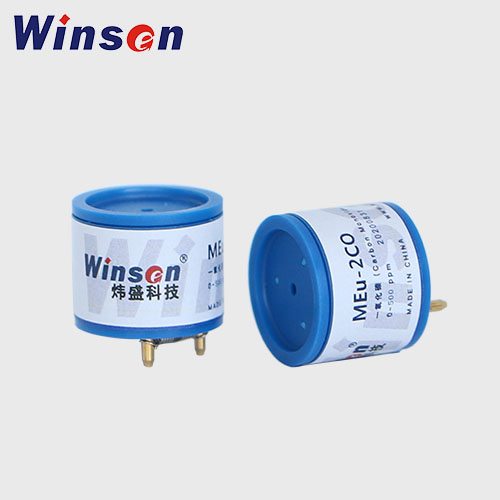
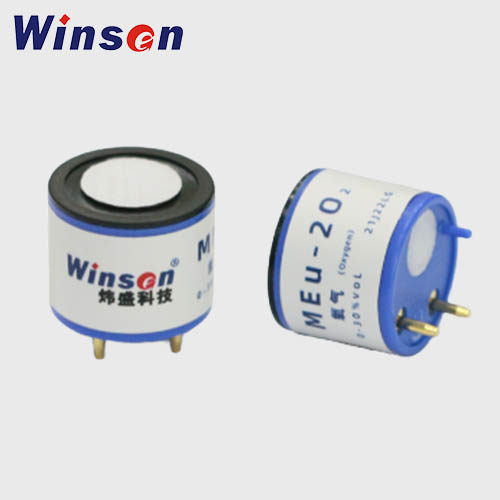
MEu-2CO Carbon Monoxide Sensor Over 7 years lifetime
- Carbon monoxide(CO)
- 0~500ppm,Max Range 1000ppm
- Read More
SMX Miniature Intelligent Industrial Gas Sensors
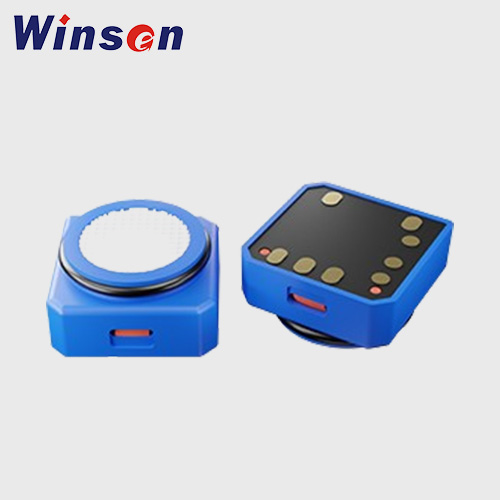
As industrial equipment becomes smaller and more intelligent, customers increasingly need sensing products that integrate gas detection, signal processing and diagnostic functions.
The SMX and SMX100 series are designed for this development direction.
Depending on the configuration, the intelligent sensor platform can support:
- factory calibration;
- algorithm-based compensation;
- fault self-diagnosis;
- digital UART output;
- low-power operating modes;
- compact contact-based installation;
- simplified replacement and maintenance.
The flat miniature structure helps equipment manufacturers develop lighter and more compact products without building the complete signal-conditioning circuit and compensation algorithm from the beginning.
Typical applications include:
- portable industrial detectors;
- wearable safety devices;
- inspection robots;
- unmanned monitoring equipment;
- underground utility monitoring;
- smart industrial terminals.
Electrochemical Sensor Modules
For customers who need an easier integration process, we also provide sensor modules combining the electrochemical sensing element with signal-processing circuitry and embedded algorithms.
Compared with using a bare sensor element, an integrated module can help reduce:
- analogue circuit development;
- signal amplification work;
- compensation development;
- calibration workload;
- debugging time;
- product-development risk.
Standardized digital or analogue output also makes the module easier to connect to the host controller.
Multi-Gas Detection Modules
Many industrial environments contain more than one potential hazard.
A confined-space monitor, for example, may need to measure:
- oxygen;
- carbon monoxide;
- hydrogen sulfide;
- combustible gas.
Multi-gas modules integrate multiple sensing channels into one system, helping customers develop compact instruments with centralized signal processing and communication.
Typical Industrial Applications
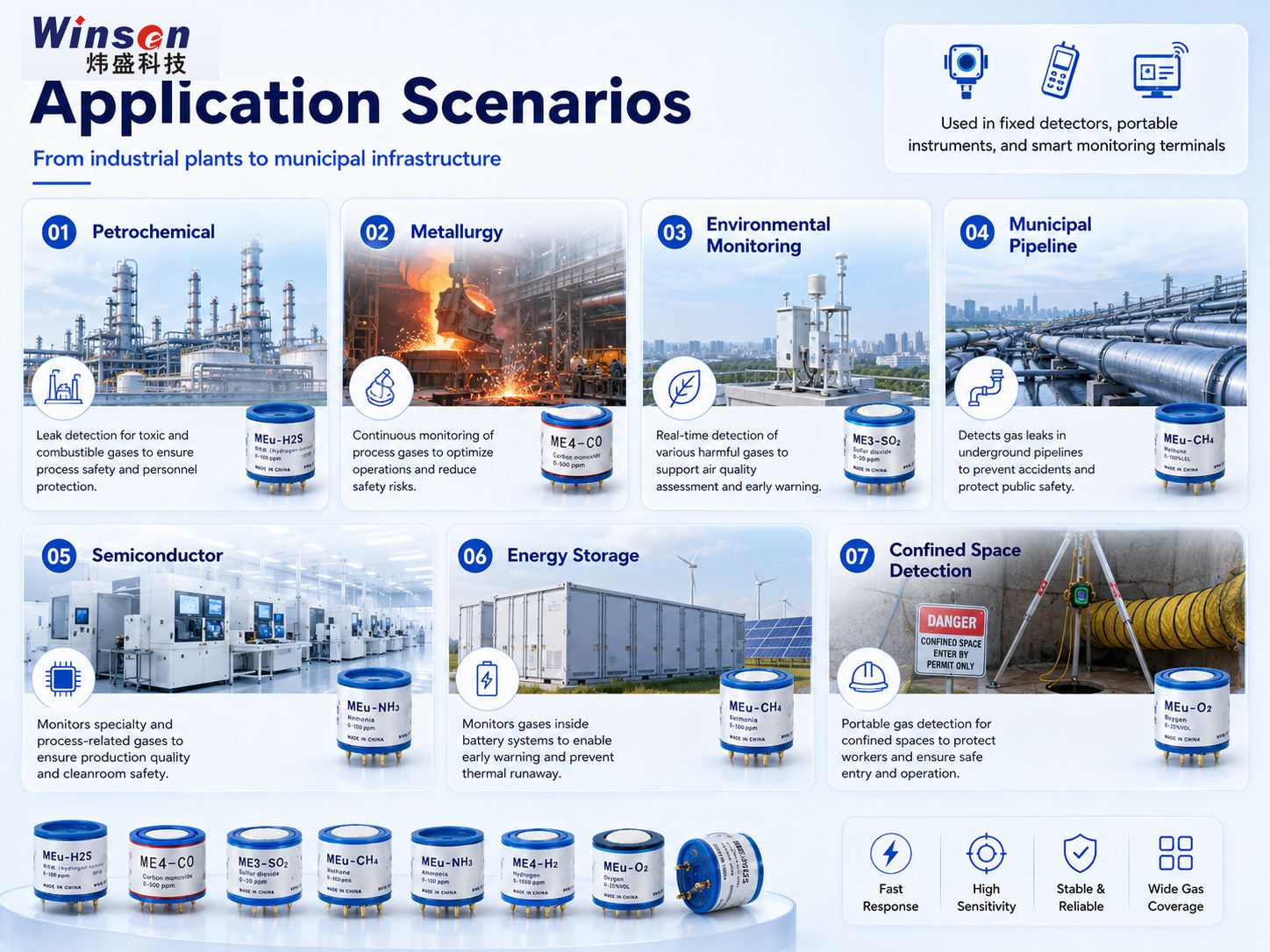
Fixed Gas Detection Systems
Fixed gas detectors are installed around storage areas, pipelines, production equipment and other high-risk locations.
The sensor continuously monitors the surrounding atmosphere and can trigger:
- audible and visual alarms;
- exhaust fans;
- ventilation systems;
- emergency shutdown;
- control-room notification;
- cloud-platform records.
Portable Gas Detectors
Portable instruments allow personnel to inspect changing locations and enter work areas with immediate concentration information.
Typical uses include:
- maintenance inspection;
- confined-space entry;
- pipeline patrol;
- emergency response;
- leak-source investigation;
- occupational exposure monitoring.
Confined-Space Safety
Tanks, sewers, wells, tunnels, pits and underground utility spaces may contain toxic gases or insufficient oxygen.
A confined-space detector usually combines several sensing channels to identify:
- oxygen deficiency;
- combustible gas risk;
- carbon monoxide;
- hydrogen sulfide or other toxic gases.
Continuous personal monitoring provides workers with an important warning layer during entry and operation.
Industrial IoT Monitoring
Gas sensors can be connected to distributed terminals, gateways and cloud platforms.
This allows operators to access:
- real-time concentration data;
- alarm status;
- historical trends;
- device status;
- maintenance records;
- regional risk maps.
By connecting sensor data with industrial safety-management systems, gas detection can evolve from isolated alarms into a networked risk-management tool.
Environmental and Municipal Monitoring
Electrochemical sensors can also support applications such as:
- wastewater-treatment monitoring;
- sewer-network safety;
- industrial boundary monitoring;
- environmental inspection;
- urban utility infrastructure;
- odor and emission monitoring.
From Gas Detection to Data-Driven Safety Management
The role of the gas sensor is changing.
It no longer serves only as the sensing element inside a local alarm. Its concentration data can now support wider safety-management functions.
A connected industrial monitoring system may use sensor data to:
- identify abnormal concentration changes;
- compare readings from multiple locations;
- activate ventilation or shutdown logic;
- notify on-site personnel and remote managers;
- record the event for later analysis;
- identify recurring risks;
- support preventive maintenance and process improvement.
This transforms gas detection from a reactive alarm function into a source of operational safety intelligence.
How to Select an Electrochemical Gas Sensor
Confirm the Target Gas
Different gases require different electrode materials, filters and sensor structures.
A sensor designed for CO cannot automatically be used for NH₃, H₂S or Cl₂.
Define the Measurement Range
The selected range should cover the expected concentration while providing sufficient resolution around the alarm threshold.
A range that is unnecessarily broad may reduce useful low-concentration resolution.
Evaluate Cross-Interference
Industrial environments may contain several gases or vapors at the same time.
The project should evaluate:
- expected background gases;
- cleaning agents;
- solvents;
- process emissions;
- exhaust components;
- humidity and temperature.
Consider Environmental Conditions
Confirm the expected:
- operating temperature;
- humidity;
- pressure;
- airflow;
- condensation risk;
- vibration;
- dust exposure.
Select the Product Form
Choose between:
- bare sensing element;
- intelligent sensor;
- signal-processing module;
- multi-gas module.
The correct option depends on the customer’s hardware, algorithm and calibration capabilities.
Plan Calibration and Maintenance
The complete detector should include a defined strategy for:
- zero verification;
- span calibration;
- bump testing;
- sensor fault diagnosis;
- replacement intervals;
- alarm-function testing.
Frequently Asked Questions
Why are electrochemical sensors widely used for toxic gases?
They provide high sensitivity at low concentrations, relatively fast response, good linearity, compact size and low power consumption.
Which gases can Winsen electrochemical sensors detect?
Available products cover CO, H₂S, NH₃, SO₂, NO₂, Cl₂, O₂, H₂, PH₃, HCl, HF, O₃ and other industrial gases.
Are electrochemical sensors suitable for portable detectors?
Yes. Their low power consumption and compact size make them well suited to portable and wearable gas-detection equipment.
What is the difference between a sensor and a module?
A sensor element generates the basic electrical signal. A module normally integrates the sensor with amplification, compensation, algorithms and standardized output, reducing customer-development work.
Can one electrochemical sensor detect several gases?
A single sensing element is normally optimized for one target gas, although cross-response may occur. Multi-gas equipment generally uses several dedicated sensors.
Where can SMX intelligent sensors be used?
They are suitable for compact portable detectors, wearable devices, smart safety terminals, robots and other miniaturized industrial monitoring equipment.
Conclusion: Precise Sensing Is the Beginning of Early Warning
Industrial gas risks may be invisible, but their concentration changes can be measured.
Reliable gas sensing gives safety systems the time and data needed to respond before a hazardous condition becomes an accident.
With the ME2, ME3, ME4, MEu and SMX series, together with electrochemical and multi-gas modules, we provide flexible sensing solutions for fixed detectors, portable instruments, confined-space equipment and connected industrial safety platforms.
Early warning begins with precise sensing. Precise sensing begins with a reliable sensor.