Methane Sensors (CH₄): The Complete Practical Guide for Safety + Product Design
A methane sensor is a device (or sensing element/module) that detects methane (CH₄) in air to help prevent gas explosions, reduce leak risks, and enable automatic actions like ventilation, alarms, or shutoff valves. Methane detection is used everywhere from home natural-gas alarms to mines, boiler rooms, LNG infrastructure, biogas plants, and industrial safety systems.
Methane is especially important because it can form an ignitable mixture in air. A commonly cited reference range is LEL 5% vol and UEL 15% vol (values can vary slightly by source/conditions).
Methane Basics You Need to Know (Hazard + Behavior)
1) Methane is lighter than air → it rises
Methane has a vapor density ~0.55 relative to air, so leaks tend to accumulate near ceilings / high points (depending on airflow).
2) Methane explosive limits define your alarm logic
Many safety systems use %LEL for combustible gases. Methane’s explosive limits are commonly listed as:
- LEL: 5% by volume in air
- UEL: 15% by volume in air
Practical point: “Above UEL” is not “safe”—a rich cloud can become explosive as it mixes with air.
Related Read: LEL and UEL: The Complete Guide to Explosive Limits, %LEL, and Gas Detection
%LEL vs %Vol vs ppm (Which Methane Reading Matters?)
%LEL (most common for explosion safety)
Combustible gas detectors often display %LEL because it tells you how close you are to the ignition threshold.
Conversion (gas-specific):
Gas (%vol) = (%LEL ÷ 100) × LEL (%vol)
Example (methane, LEL 5%):
- 10% LEL ≈ 0.10 × 5% = 0.5% vol CH₄
ppm (more common for leak finding / environmental monitoring)
ppm-level methane detection is common in leak surveying, emissions monitoring, and some IoT use cases where you want early leak indication far below LEL.
Methane Sensor Types (Catalytic vs NDIR vs TDLAS)
High-ranking methane detector guides typically compare technologies by range, stability, poisoning resistance, oxygen dependence, and maintenance needs. Here’s the practical breakdown:
1) Catalytic (Pellistor) Methane Sensors
How it works: methane oxidizes on a heated catalyst bead → heat change → signal.
Best for: classic %LEL safety detection in many industrial systems.
Watch-outs: can be affected by sensor poisoning; performance depends on having oxygen present (combustion reaction).
2) NDIR Infrared Methane Sensors
How it works: methane absorbs specific IR wavelengths; the sensor measures absorption to estimate concentration.
Best for: methane (and many hydrocarbons) when you want good stability and often better resistance to poisoning.
Some methane NDIR modules specify they’re independent of oxygen, which can be useful in certain environments.
3) TDLAS Laser Methane Sensors
How it works: laser spectroscopy tuned to methane absorption lines.
Best for: higher selectivity, long-path/open-path or precision methane measurement (application-dependent). (Winsen’s combustible gas category also lists TDLAS methane options and customizable ranges.)
Quick comparison table
| Technology | Typical use | Strengths | Limitations |
|---|---|---|---|
| Catalytic | %LEL safety | broad combustible coverage, proven | oxygen dependence; poisoning risk; calibration discipline |
| NDIR IR | methane/hydrocarbons | stable; resistant to poisoning; good selectivity | not universal for every gas family; cost/optics considerations |
| TDLAS | methane-specific | very selective; strong methane focus | design complexity; often application-specific |
(For methane, “catalytic vs NDIR” is one of the most common decision points in industry guides.)
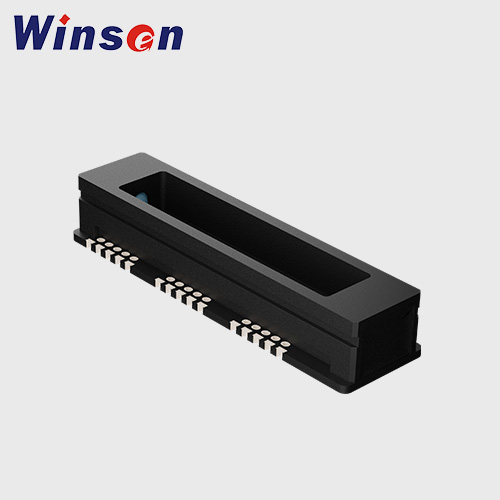
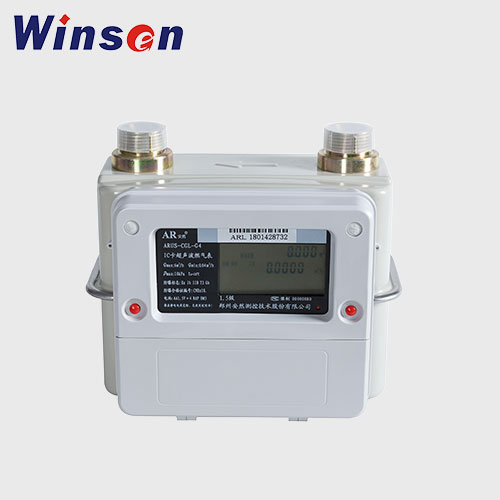
Residential Ultrasonic Gas Flow Meter
- CH4 methane, Natural Gas, LPG Gas and other combustible gas
- Read More
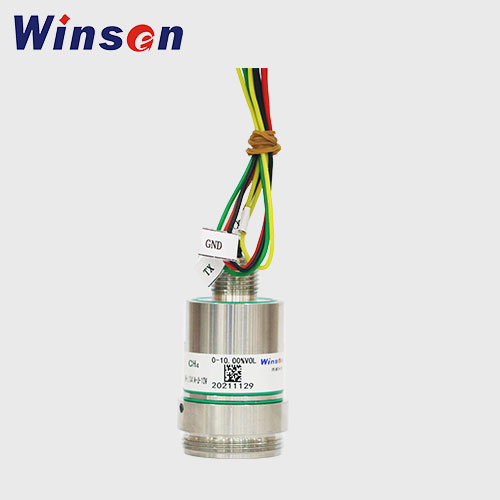
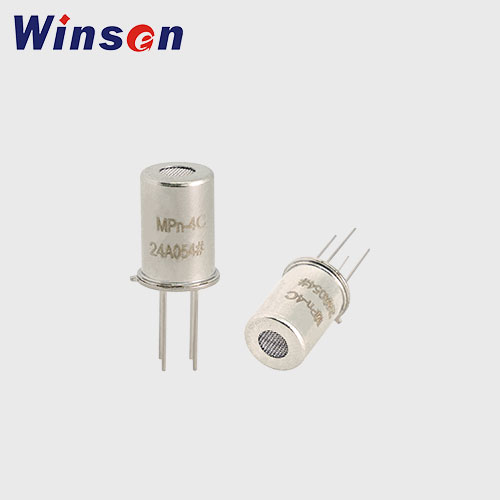
MPn-4C CH4 Methane Flammable Gas Sensor
- CH4, Methane, Natural gas, marsh gas
- 300~10000ppm (methane, natural gas)
- Read More
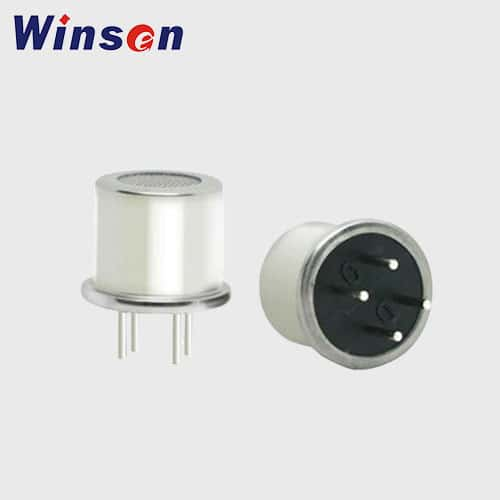
MR007 CH4 Methane C3H8 Propane Gas Sensor
- CH4 methane C3H8 propane, combustible gas, natural gas, coal gas, LPG gas
- 0~100 LEL
- Read More
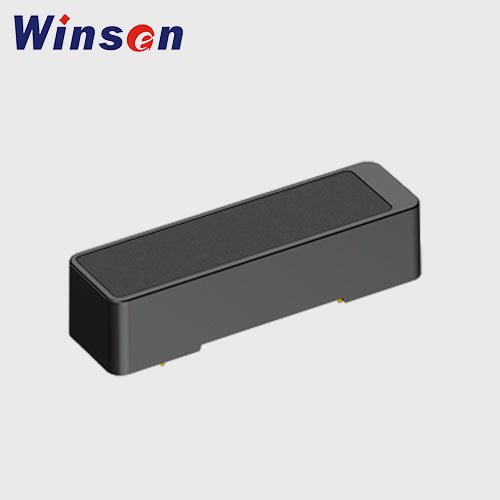
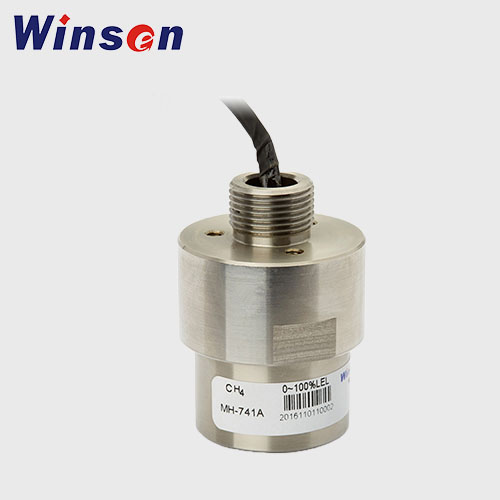
MH-741A Infrared CH4 Methane Gas Sensor
- CH4 methane, natural gas, combustible gas
- 0~100%VOL optional
- Read More
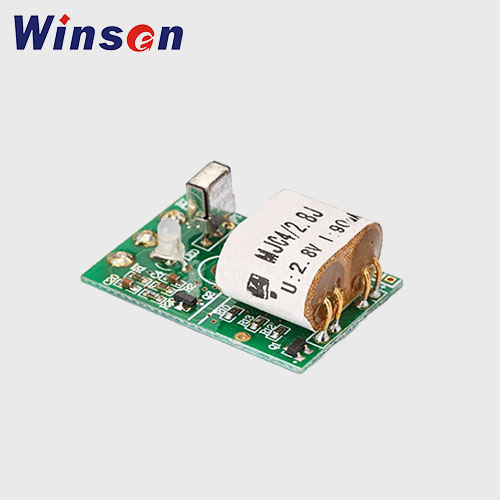
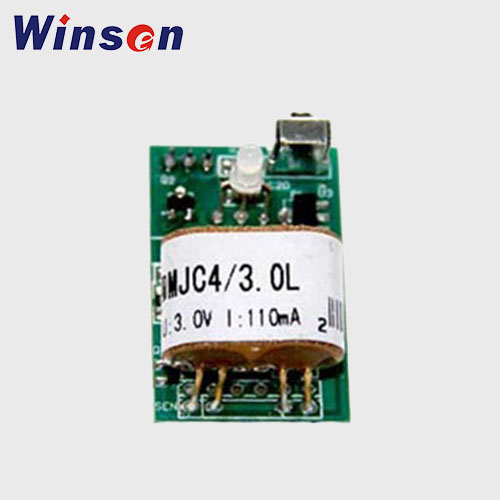
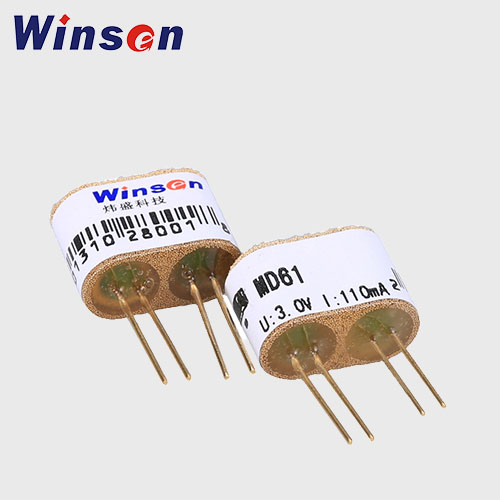
MD61 Gas Sensor Detection of Methane Hydrogen Inert gases
- Methane, hydrogen, inert gases
- 0~100%
- Read More
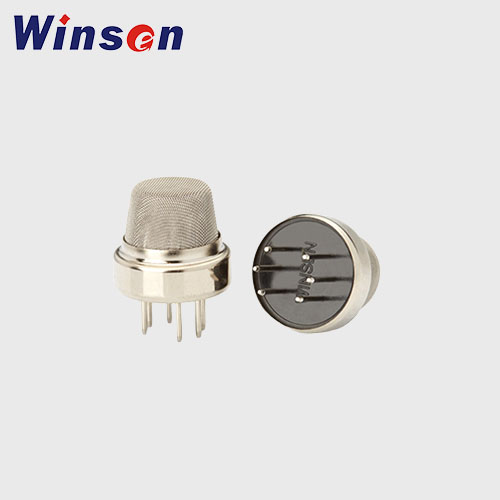
MQ-6 MOS Flammable Gas Sensor for Methane CH4 LPG Detection
- LPG,CH4
- CH4、C3H8(300-10000ppm)
- Read More
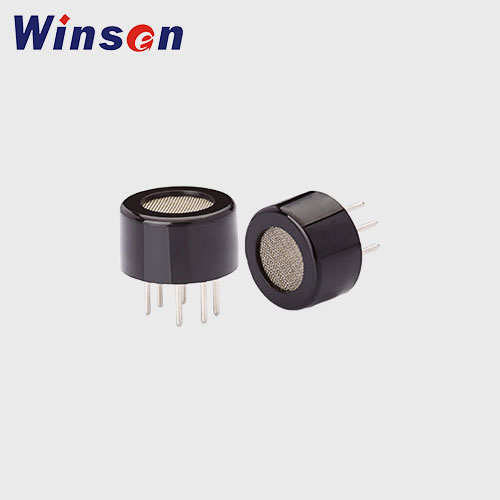
MQ-5B MOS Combustible Gas Sensor Detect Propane LPG Methane
- Propane C3H8, LPG gas, methane CH4
- CH4、C3H8(300-10000ppm)
- Read More
MQ-5 Semiconductor Sensor for Flammable Gas
- Propane C3H8, LPG gas, methane CH4
- CH4、C3H8(300-10000ppm)
- Read More
MQ-4B MOS Flammable Gas Sensor for Methane CH4
- methane CH4, natural gas, flammable gas
- 300-10000ppm
- Read More
MQ-4 MOS Flammable Gas Sensor for Methane CH4 Detector
- methane CH4, natural gas, flammable gas
- CH4(300-10000ppm)
- Read More
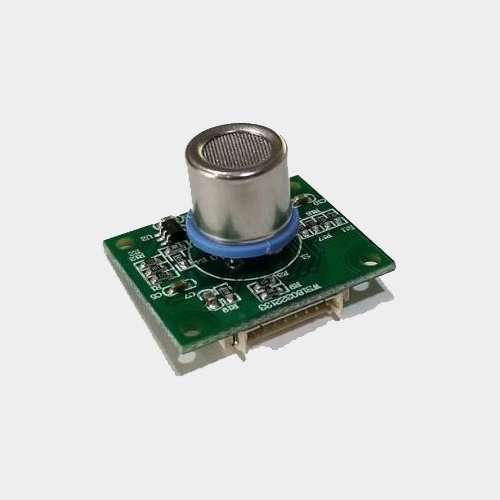
ZC13 Methane CH4 Sensor Module for Home Gas Safety
- methane CH4, natural gas, flammable gas
- 1%-25%LEL,Resolution100ppm
- Read More
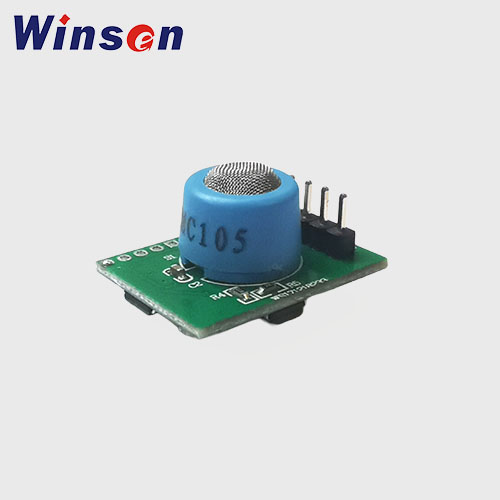
ZC08-CH4 Methane Sensor Module for Home Natural Gas Leakage
- methane CH4, natural gas, flammable gas
- 1%-20%LEL,Resolution100ppm
- Read More
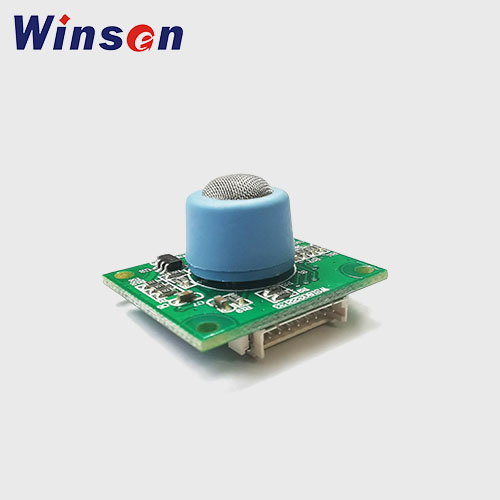
ZC05 Methane CH4 Gas Sensor Module for Home Use
- Natural gas, methane CH4 gas
- 1%-25%LEL,Resolution100ppm
- Read More
Methane Detector Placement (What Works in Real Sites)
Because methane is lighter than air, many placement guides recommend mounting sensors near the ceiling, and avoiding corners/dead-air zones.
Practical placement checklist
- Put sensors near likely leak sources (valves, regulators, meters, burners, joints)
- Mount high for methane (ceiling height / highest practical point)
- Avoid direct airflow dilution (right in front of vents) and dead pockets
- If the room has complex airflow, consider multiple sensors rather than one “perfect” location
Alarm Setpoints (Why “10% LEL” Is Frequently Mentioned)
A common safety theme in regulatory guidance is that ≥10% LEL can be treated as a hazardous flammable atmosphere in confined-space contexts, and guidance warns that below 10% LEL is not automatically safe.
Typical two-stage logic used in many systems:
- Low alarm: early warning → ventilation / notify
- High alarm: shutdown / isolate fuel / emergency response
Exact thresholds should follow your applicable standard and risk assessment.
Calibration & Bump Testing (Keeping Methane Sensors Trustworthy)
For portable/transportable detection, many safety programs require functional checks (“bump tests”) and periodic calibration—frequency depends on site risk, environment, and manufacturer guidance.
- Bump tests verify the sensor responds and alarms activate.
- Some guidance notes portable units should be checked with a known gas concentration prior to use.
- Manufacturers commonly recommend calibration schedules (often ranging from monthly/quarterly to event-based after failed bump tests).
Standards and Compliance Notes (Industrial/Commercial Gas Detection)
If you’re building professional gas detection equipment, the IEC 60079-29 series is a key standards family for gas detectors in explosive atmospheres. The newer IEC 60079-29-0:2025 describes general requirements and test methods for gas detection equipment (including flammable gas detection types).
OEM / Product Integration: Build Methane Sensing into Your Device
If you manufacture gas alarms, HVAC safety monitors, industrial transmitters, or IoT safety gateways, methane sensing can become a strong product differentiator—especially when you can support different markets (home/commercial/industrial) and outputs (relay/analog/UART/RS485).
Winsen’s combustible gas sensor category includes methane (CH₄) options across multiple sensing approaches (modules + sensor types).
Call to action: Share your target range (ppm / %LEL / %vol), environment (temperature/humidity/poisons), and interface needs, and we can recommend a sensor path and support OEM integration and customization.
FAQs
Where should a methane sensor be installed?
Typically high on the wall / near the ceiling, because methane is lighter than air and tends to rise.
What is methane’s LEL?
Commonly listed as 5% by volume in air (check your SDS/standard for your conditions).
Should I use catalytic or NDIR for methane?
Catalytic is widely used for %LEL safety detection; NDIR is often chosen for methane/hydrocarbons when stability and resistance to poisoning matter.
Do methane detectors need calibration?
Yes—bump testing and calibration practices are widely recommended to ensure sensors and alarms still work as expected.