NDIR Infrared Methane Sensors (CH₄): The Practical, Engineering-Focused Guide
NDIR (Non-Dispersive Infrared) methane sensors measure methane by shining infrared light through a gas sample and measuring how much light methane absorbs. Because methane is IR-active, NDIR is a highly practical method for natural gas leak detection, LNG/biogas monitoring, industrial safety, and many OEM gas alarm products.
What Is an NDIR Methane Sensor?
An NDIR methane sensor is an optical instrument that:
- emits IR light into an optical chamber,
- lets the gas absorb part of that light,
- measures the remaining light at a methane-sensitive wavelength,
- converts absorption into concentration using Beer–Lambert law.
“Non-dispersive” means the sensor does not use a spectrometer; it uses optical filters to isolate the methane absorption band(s).
How NDIR Methane Measurement Works
Most robust NDIR designs use two channels:
- Sample (measurement) channel: a filter matched to methane absorption
- Reference channel: a filter at a wavelength methane does not absorb (used to cancel lamp aging, dust, and some environmental drift)
This dual-channel approach is a major reason NDIR methane sensors tend to deliver stable long-term performance compared with technologies that rely on chemical reactions.
%LEL vs %Vol: Which Range Should Your Methane Sensor Use?
NDIR methane sensors are commonly offered in two “languages”:
1) %LEL (Explosion safety)
Used for safety alarms and interlocks. Methane LEL is commonly listed around 5% vol in air (reference values vary slightly by conditions).
Conversion:
- Methane (%vol) = (%LEL ÷ 100) × 5 (%vol)
Related Read: LEL Gas Chart (Lower Explosive Limit): Complete Guide + Common Gas Table
2) %Vol (Process / high concentration)
NDIR is also popular because it can measure higher concentrations (up to %vol ranges) in many designs, which is helpful for process monitoring and severe-leak scenarios.
Rule of thumb
- Building safety alarms → 0–100% LEL
- Gas process / methane-rich atmospheres → %vol range (e.g., 0–5% vol, 0–10% vol)
Why Choose NDIR for Methane?
High-ranking gas detection guides usually highlight these NDIR benefits:
Oxygen-independent operation
NDIR methane sensing does not require oxygen to function (unlike catalytic bead sensors that depend on oxidation).
Resistant to “poisoning”
Infrared sensors don’t typically lose sensitivity from classic catalytic poisoning mechanisms (e.g., certain silicones) because they’re optical, not catalytic.
Strong stability + low maintenance tendency
Since NDIR doesn’t rely on consumable catalytic surfaces, many manufacturers position it as a stable method with reduced maintenance burden (still requiring periodic functional checks).
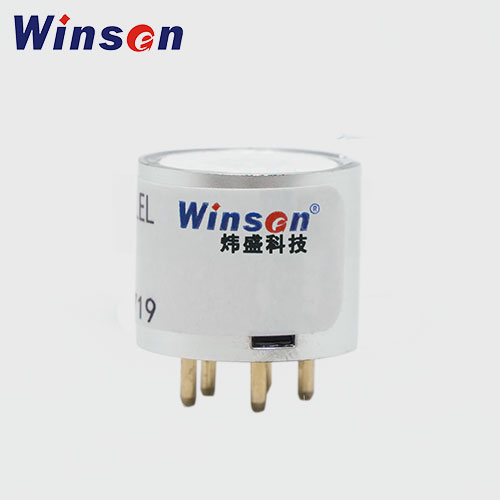
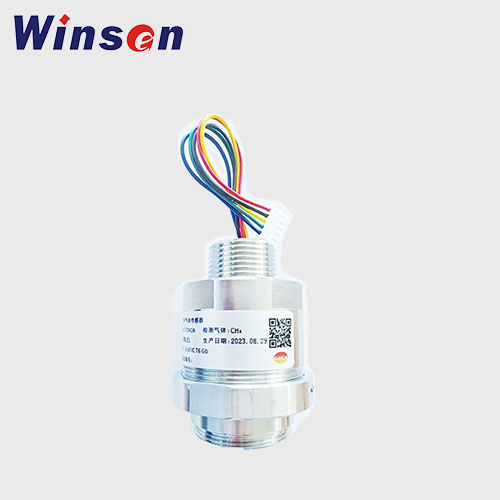
Winsen NDIR Combustible gas sensor
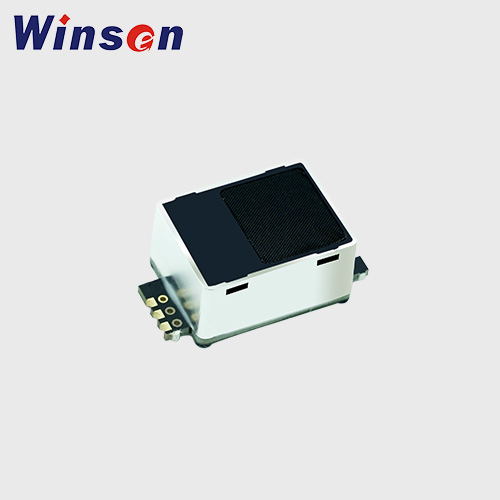
MH-T4041A Low Power Consumption Infrared Gas Sensor
- Hydrocarbon flammable gases
- 0~10% Vol optional(refer to sheet 2)
- Read More
NDIR Methane Sensor Limitations
NDIR is excellent for methane, but it has real constraints:
Not suitable for hydrogen (H₂) and other diatomic gases
NDIR combustible sensors cannot measure diatomic gases like hydrogen (H₂) effectively because those gases do not absorb IR in the same way.
Optical contamination matters
Dust, oil mist, and condensation can degrade readings by blocking the optical path. Dual-channel designs help, but they don’t make optics “maintenance-free.”
Cross-sensitivity to other IR-active gases
NDIR is selective by filter choice, but nearby absorption bands and high concentrations of other hydrocarbons can still affect accuracy in some use cases—especially if you expect mixed fuels.
What’s Inside an NDIR Methane Sensor?
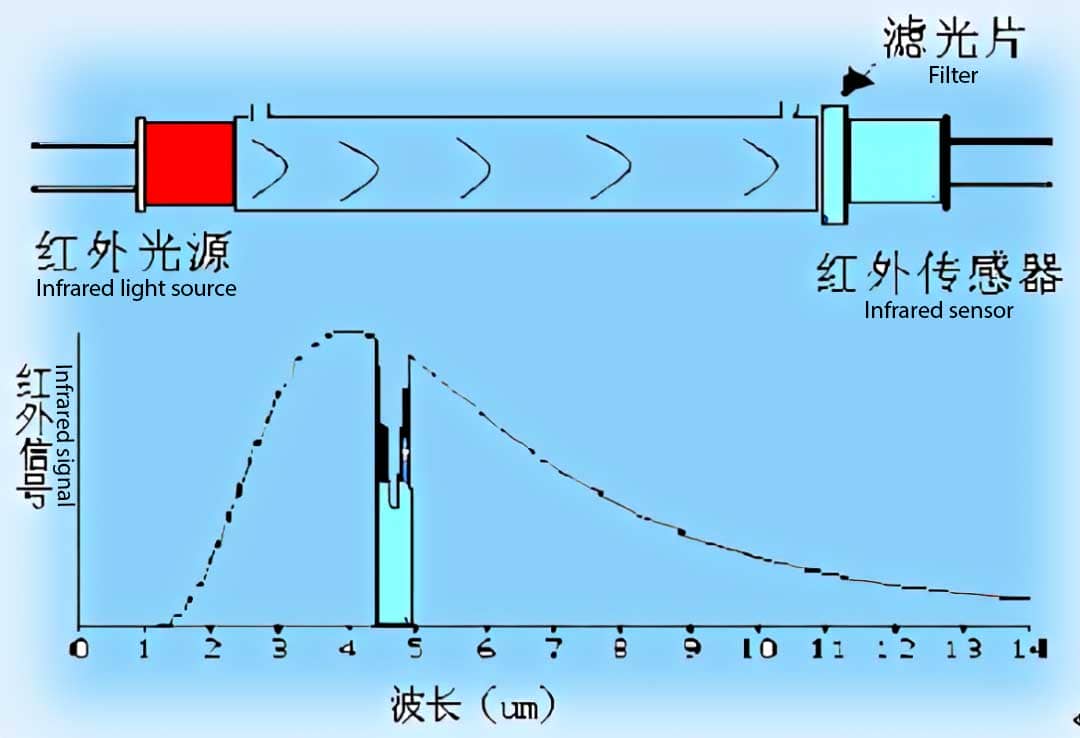
A typical NDIR methane sensor includes:
- IR source (lamp or IR LED)
- Optical chamber (defines path length, sensitivity, response time)
- Two detectors or a dual-channel detector package
- Optical filters (methane + reference)
- Temperature sensor + compensation logic
Design tradeoff: Longer optical path increases sensitivity, but can increase size and cost.
Installation Notes for Methane (CH₄)
Methane is lighter than air, so it tends to accumulate near ceilings/high points (depending on airflow). For fixed detection:
- place sensors near likely leak sources (valves, regulators, meters)
- avoid strong dilution zones (directly in front of supply vents)
- use multiple sensors if airflow is complex (corners, beams, high ceilings)
Calibration & Maintenance: What “Stable” Really Means
NDIR methane sensors are often more stable than catalytic bead in harsh environments, but best practice is still:
- routine bump tests (functional checks)
- periodic calibration per site risk and manufacturer guidance
- optical inspection/cleaning schedule in dusty or oily sites
Standards Note (Industrial/Commercial Detection)
If your methane detector is intended for industrial/commercial safety functions, the IEC 60079-29 family is relevant. IEC 60079-29-0:2025 specifies general requirements, test methods, and acceptance criteria for gas detection equipment (including flammable gas detection) used for personnel/property protection.
Build NDIR Methane Detection into Your Product
If you’re developing gas alarms/controllers, HVAC safety monitors, industrial transmitters, or IoT safety gateways, NDIR methane sensing is often the best fit when you want oxygen-independent operation, strong stability, and a %vol option for higher concentration monitoring.
Winsen provides NDIR methane solutions and can support OEM/ODM customization, selection guidance, and integration support (interface/output, housing, application tuning).